Discover 10 science-backed supplements and medications for constipation. Learn the pros, cons & why HMOs may support long-term gut health.
Content Outline
Introduction
Constipation is one of the most common digestive complaints, affecting around 16% of adults [1]. It can be uncomfortable and impact your quality of life. Constipation symptoms include few bowel movements, hard, dry, or lumpy stools, and feeling like you haven’t completely emptied your bowels. For many, eating more fiber, drinking more water, and exercising more regularly can restore regularity, but for others, supplements or medications may be required.
From natural fiber to prescription medications, there are several therapeutic options available. However, selecting the most effective for you depends on understanding how each works, its benefits, and its drawbacks. In this article, we explore 10 of the most commonly used supplements and medications for constipation to help you find the best one for you.
10 Supplements and medications for constipation
Constipation isn’t just an occasional inconvenience, instead, it can have a real impact on the quality of your life. Some medications and supplements can provide temporary relief, while others work more gradually by supporting the gut microbiome and improving digestive health from within. Here we explore 10 of the most common options available.
1. Psyllium husk
Psyllium husk is a type of soluble fiber that absorbs water in the gut, forming a gel-like substance that helps to soften your stools and promote regular bowel movements [2]. It also helps to alter the microbial composition in the gut. In particular, psyllium husk increases the abundance of butyrate-producers, like Faecalibacterium and Roseburia, which are associated with looser stool and faster colonic transit [3].
Pros
-
Gentle, natural option
-
Improves stool frequency and consistency
-
Widely available as capsules and powders from health food stores
Cons
-
Can cause gas or bloating in some people
-
Needs adequate water intake to be effective
2. Magnesium citrate
Magnesium citrate is a saline laxative that can effectively treat short-term constipation by increasing the water content in the intestines, softening the stools, and promoting bowel movements. It acts as an osmotic laxative, which means it draws water into the colon, making it easier to go to the toilet.
Pros
-
Fast-acting, usually works within 6 hours
-
Widely available over-the-counter
Cons
-
Drinking water is essential to prevent dehydration and electrolyte imbalances
-
Not suitable for anyone with kidney disease
-
Overuse can cause serious side effects [4]
3. Senna
Senna, also known as senna glycoside or sennoside, is a stimulant laxative that’s used as a short-term treatment for constipation. It works by stimulating the contraction of the digestive system (peristalsis) to help food, fluids, and waste products move through the tract. So, by ingesting senna, it increases the motility of the gut [5]. A study comparing the effectiveness of senna with magnesium for constipation found improvements in 69% of people given senna and 68% in those given magnesium, compared to just 11% given a placebo [6].
Pros
-
Gets to work quickly, usually providing relief within 6 to 12 hours
-
Available over-the-counter
Cons
-
May cause liver damage if used for long periods of time [7]
-
Can cause cramping and diarrhoea in some people
4. Polyethylene glycol
Polyethylene glycol is another osmotic agent that retains water in the stool, making it softer and easier to pass. It is a common laxative used as a short-term treatment for constipation. Research shows that polyethylene glycol is an effective and safe treatment and can increase bowel movements by 1.8 per week [8].
Pros
-
Safe, effective, and well-tolerated
-
Can be used for long-term relief
Cons
-
The taste can put people off
-
Can cause diarrhoea or bloating if overused
5. Probiotics
Several studies have identified a link between constipation and the composition of the gut microbiome, particularly a depletion in lactate and butyrate producers [9]. Taking probiotics can support a more balanced colonic ecosystem, which may help alleviate constipation symptoms.
One review found that Bifidobacteria lactis was the most beneficial strain. The same review established that probiotics reduced gut transit time by more than 12 hours and increased the number of bowel movements per week by 1.3 [10].
Pros
-
Well tolerated with few adverse events reported
-
Readily available
-
May also help to relieve bloating and discomfort
Cons
-
Potential that not all probiotics will relieve constipation
-
Results can vary between people
6. Human milk oligosaccharides (HMOs)
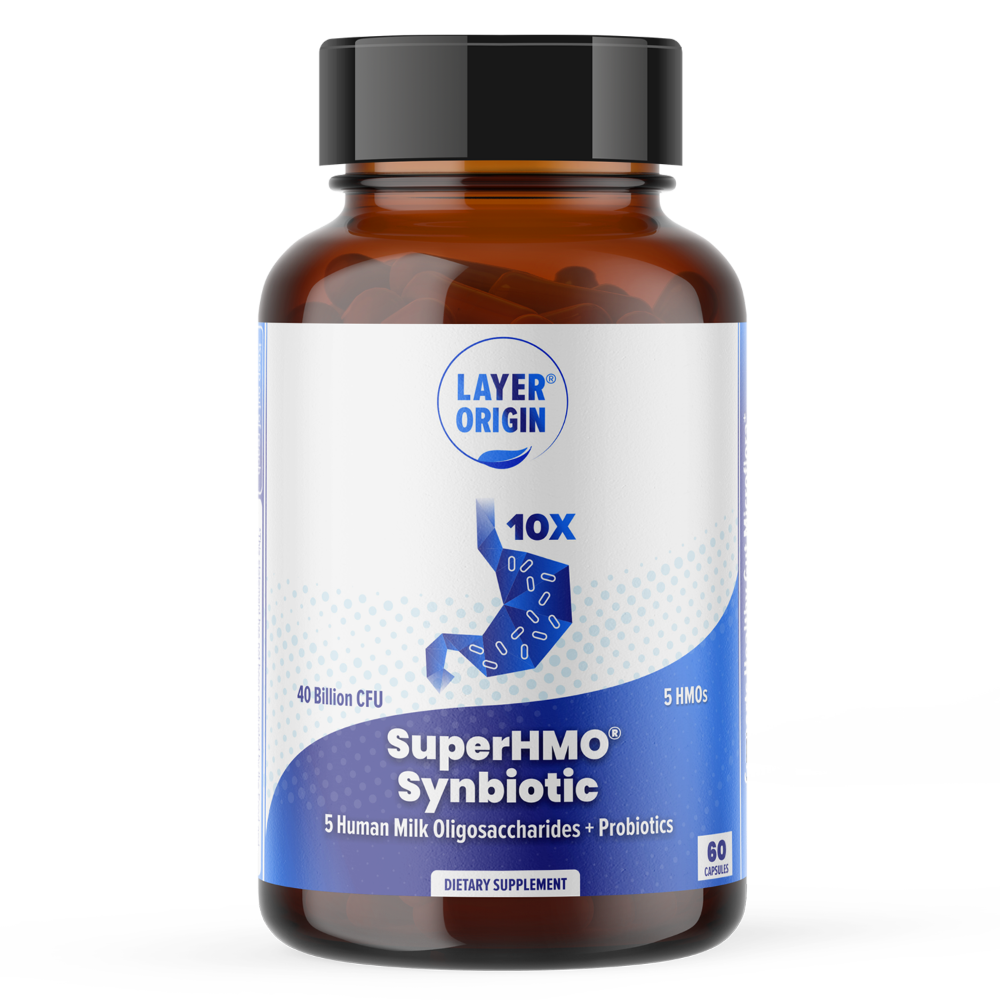
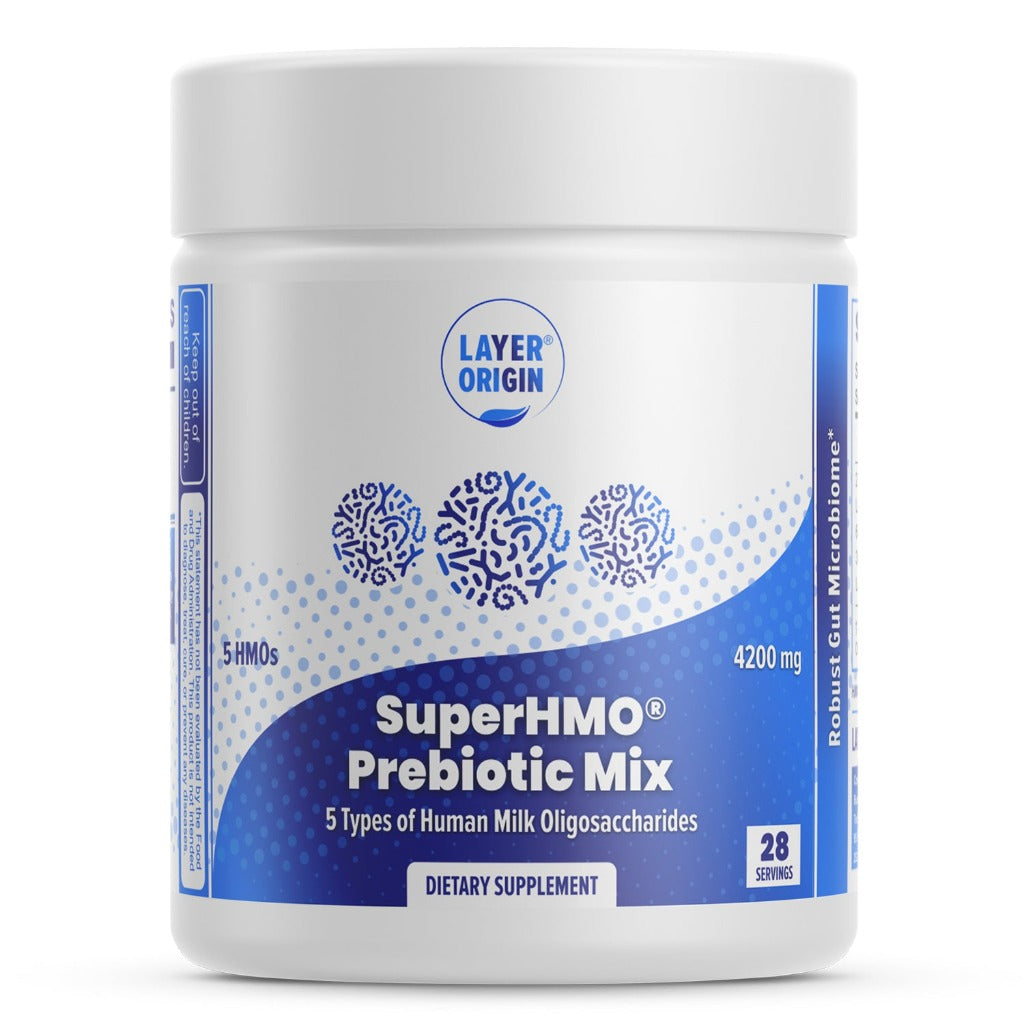
Prebiotics are fibers that nourish the good bacteria in your gut, helping to diversify your gut microbiota [11]. One such prebiotic fiber is human milk oligosaccharides (HMOs), a unique type found in breast milk. A study involving IBS patients found that HMOs, specifically 2’-fucosyllactose and lacto-N-neotetraose, improved bowel movements, consistency, and quality of life within 12 weeks [12]. Further research shows that HMOs feed Bifidobacteria, known to be depleted in IBS, including those with the constipation subtype [13].
Pros
-
Promotes a healthier gut microbiome
-
Well tolerated
-
Supports your overall digestive and immune health
Cons
-
Relatively new in supplement form and less widely available
-
Can take several days for you to notice the effects
7. Prebiotic fiber
Fiber increases stool bulk and water content, stimulating bowel movements. Soluble fibers like inulin, fructooligosaccharides (FOS), and galactooligosaccharides (GOS) act as prebiotics, feeding beneficial gut bacteria. Clinical trial data has found that prebiotics like FOS increased bowel movements, stool consistency and improved constipation symptoms [14].
Pros
-
Widely available and safe
-
Improves stool frequency and consistency
Cons
-
Can cause bloating or gas
-
Requires good fluid intake
➤ Get all the prebiotic fiber you need, including HMOs, with our Constipiotic product, specially formulated to support regular bowel movements.
8. Docusate sodium
Docusate is a medication that works by softening your stools by increasing the water and fat content, making it easier to pass [15]. In the US, docusate can be bought over the counter, while in the UK, you will need a prescription. However, there is a growing number of studies that show that docusate is no more effective than a placebo for treating constipation [16].
Pros
-
Increases the water content of stools to make them easier to pass
-
Can be given during pregnancy
Cons
-
Questions around its effectiveness
9. Aloe vera
Aloe vera has been used as a natural remedy for many health complaints, including constipation, for centuries [17]. Aloe latex contains anthraquinone glycosides that have a natural laxative effect by increasing water content in the large bowel, softening stools, and promoting bowel movements. Studies show that aloe vera is an effective and safe treatment for IBS symptoms, including constipation, compared to a placebo [18].
Pros
-
Natural, herbal remedy
-
Can work quickly
-
Widely available
Cons
-
Aloe vera juice can vary in quality and strength
-
May cause cramping, diarrhoea, or dehydration
10. Lubiprostone
Lubiprostone, available under the brand name Amitiza, is a chronic constipation treatment [19]. It works by activating chloride channels in the gut, increasing intestinal water content, and easing stool passage.
Pros
-
Effective for chronic constipation and IBS-C
Cons
-
Prescription-only medication and expensive
-
Can cause nausea
11. Bisacodyl
Bisacodyl, available over-the-counter and under the brand name Dulcolax, is a laxative which helps you go to the toilet if you are constipated. It works by stimulating the intestinal mucosa, causing peristalsis, which is what promotes the laxative effect [20].
Bisacodyl is an effective and well-tolerated treatment and has been shown to increase weekly bowel movements from 1.1 to 5.2 [21]. Bisacodyl improves bowel function and constipation-related symptoms.
Pros
-
Works quickly and is available over the counter
-
Available in tablet or suppository form
Cons
-
May cause abdominal cramps
-
Not suitable for long-term use
12. Glycerin suppositories
Glycerin suppositories are inserted into the rectum and draw water into the stool. They also lubricate the rectum, making it easier to pass a stool. However, there is only weak evidence available to support their usefulness in treating chronic constipation [22].
Pros
-
Fast, local relief for occasional constipation
-
May be suitable during pregnancy
-
Usually safe for long-term use
Cons
-
Does not treat the underlying cause, only local constipation
-
Limited evidence for their effectiveness
-
Can cause mild irritation
Conclusion: Try HMOs by Layer Origin Nutrition
Constipation is a common digestive complaint which increases in prevalence with age. However, it does not need to be a long-term struggle. From traditional options like psyllium husk and magnesium to prescription medications, there are several ways to find relief. For those seeking a gentle, natural, and sustainable approach that goes beyond just symptom relief, HMOs are a promising option.
By supporting your gut microbiome, HMOs can restore balance in your gut, promoting a more harmonious environment. Explore our range in our shop.
Written by: Leanne Edermaniger, M.Sc. Leanne is a professional science writer who specializes in human health and enjoys writing about all things related to the gut microbiome.