Not getting a good night’s sleep? Read on to find out why your gut microbiome may be to blame.
Content Outline
Introduction
If you’re struggling to sleep, there are several contributing factors, from stress and jet lag to hormone imbalances and even poor nutritional choices before bed. But have you considered that your gut may also play a part? Your gut microbiome is home to trillions of bacteria and more than 100 million nerve cells [1], earning itself the nickname of your “second brain”. It is connected to your brain via the vagus nerve and the enteric nervous system, known as the gut-brain axis. It is a critical bi-directional communication pathway through which your gut microbes can influence neurotransmitters, such as serotonin, and regulate your appetite, sleep, and mood [2].
Emerging evidence suggests that the gut-brain axis is an essential regulator of sleep patterns and that restoring your gut microbiota to a healthy balance could improve sleep [3]. Let’s explore that theory.
How are the gut and brain connected?
Your gut microbiome and brain are linked through several mechanisms, with your gut bacteria communicating between them. This connection pathway is not one-way, your gut can send messages and signals to your brain and vice versa.
Research has shown there are three distinct pathways that your gut and brain can communicate via [4]. They are:

Immune system
The gut and brain communicate via the immunoregulatory pathway, in which gut microbes interact with immune cells to regulate cytokine levels and influence brain function.
Neurotransmitters
Your gut microbiome can also interact with the brain by affecting the hypothalamic-pituitary-adrenal (HPA) axis and the central nervous system (CNS) to regulate the release of neurotransmitters, such as:
-
cortisol
-
serotonin
-
tryptophan
Vagus nerve
The gut microbiota sends signals to the brain via the vagus nerve, which are important for gut motility and hormone secretion. Gut bacteria also release neurotoxic metabolites that can travel through the vagus nerve to the CNS and affect your stress response, brain function, and even sleep patterns.
How gut health affects your sleep
Growing scientific research suggests that sleep quality is linked to the composition of your gut microbiome. A 2019 study found that people with a more diverse gut ecosystem had longer sleep times and reported a longer duration of sleep while in bed, called sleep efficiency. The study also associated certain bacterial types with better or worse sleep [5].
Animal studies have found that following antibiotic use, the gut microbiota is severely reduced, leading to lower serotonin levels and disrupted sleep patterns, suggesting that altered serotonin production may affect sleep. This is important because approximately 95% of the total serotonin produced in the body is provided by the gut. In humans, sleep deprivation can interfere with the brain’s serotonin system and low serotonin levels are linked with depression [6].
Can not getting enough sleep affect your gut?
Yes. In short, a lack of sleep can increase your risk of chronic conditions like type 2 diabetes, obesity [7], stomach issues, and can even influence the foods you eat, usually unhealthy options. But emerging research also shows that there is an association between poor sleep and gastrointestinal issues, like gastroesophageal reflux disease (GERD), which can cause unpleasant symptoms like heartburn and indigestion.
The reason is that poor sleep can increase proinflammatory cytokine levels [8]. A 2021 study found that people who have an early bedtime and sleep for longer have better blood sugar control after eating breakfast [9]. With better blood sugar control, you are less likely to choose unhealthy food options to help combat dips in blood sugar levels later on in the day, which also promotes better gut health.
Wang and colleagues also demonstrated that sleep deprivation, and even insufficient sleep, can alter the composition of your gut microbiota [10]. Therefore, further suggesting that poor sleep can negatively impact your gut.
Insomnia and gut health
Insomnia is when you regularly experience problems sleeping and can be caused by several factors, including stress, poor lifestyle habits, and medical conditions. The symptoms of insomnia [11] include:

It’s likely that you have chronic insomnia if you have difficulty falling or staying asleep, or you wake too early for 3 nights per week for at least 3 months, which can have a significant impact on your cognitive function during the day. Insomnia often happens because of interruptions to the body’s sleep-wake cycle, including imbalances in hormones, neurotransmitters, and inflammatory signalling molecules that can promote or disrupt sleep.
What does this have to do with your gut microbiota?
Just like your body, your gut microbes follow their own sleep-wake cycle or circadian rhythm, and disruptions in their own body clocks can contribute to the onset of insomnia [12].
A 2019 study reported a link between the gut microbiota and host circadian rhythm. Research has shown that an increase in the total abundance of gut microbes and an increase in Firmicutes, resulting from the food you eat when you are awake, alongside an increase in Bacteroidetes, Proteobacteria, and Verrucomicrobia during sleep, suggests these microbes have some influence over the maintenance of our internal body clocks [13].
The same research also found that prebiotics and polyphenols can manipulate the composition of the gut microbiome in ways that help the body maintain a steady internal clock and positively impact sleep. For example, these sources of dietary fiber can build the abundance of health-promoting species, and, in turn, increase the production of short-chain fatty acids (SCFAs) like butyrate – a vital energy source for colonocytes (the cells that line your gut). This could mitigate some of the negative impacts of modern lifestyles, including poor sleep and disrupted circadian rhythms.
A more recent study investigated the influence of the colonic ecosystem on insomnia. The results are fascinating and shed more light on how the gut can play a pivotal role in sleep. The study identified 14 bacterial taxa that contribute to the development of insomnia and 8 gut bacterial taxa that can protect against it [14]. Specific microbes, such as Odoribacter, may increase the risk of insomnia, while others, such as Faecalibacterium, can offer some protection. This careful interplay is influenced by neurotransmitters, immune signals, and SCFAs that can affect the CNS and circadian rhythms [15].
How to support your gut health for better sleep
There are things you can do to support your gut health and promote healthy sleep, like focusing on a fiber-rich diet, incorporating fermented foods, prebiotics, and probiotics into your daily routine, and making some healthy lifestyle changes.
Eat a fiber-rich diet
Prioritising foods that can nourish your good gut microbes is a good start towards supporting the health of your gut and its natural inhabitants. Choose foods that are high in fiber, such as:
-
fruit
-
vegetables,
-
nuts
-
seeds
-
legumes
-
wholegrains
-
unprocessed foods
Prebiotic foods contain a type of fiber that is known to feed the beneficial bacteria in your gut to help diversify the colonic ecosystem and bolster its numbers. Foods that are naturally prebiotic include:
-
asparagus
-
onion
-
Jerusalem artichokes
-
lentils
-
oats
-
chickpeas
-
garlic
-
bananas
By adding or increasing your intake of these foods in your diet, you’ll be ensuring that you’re supporting the abundance and activity of good gut bacteria.
Add some fermented foods to your diet
Fermented foods, such as kefir, kimchi, and yoghurt, are packed with beneficial probiotic bacteria strains that can boost gut health, digestion, and support your immunity. By eating them regularly, you’ll be introducing good microbes into your gut to help build a balanced microbiome. Some fermented foods include:

Prebiotic and probiotic supplements
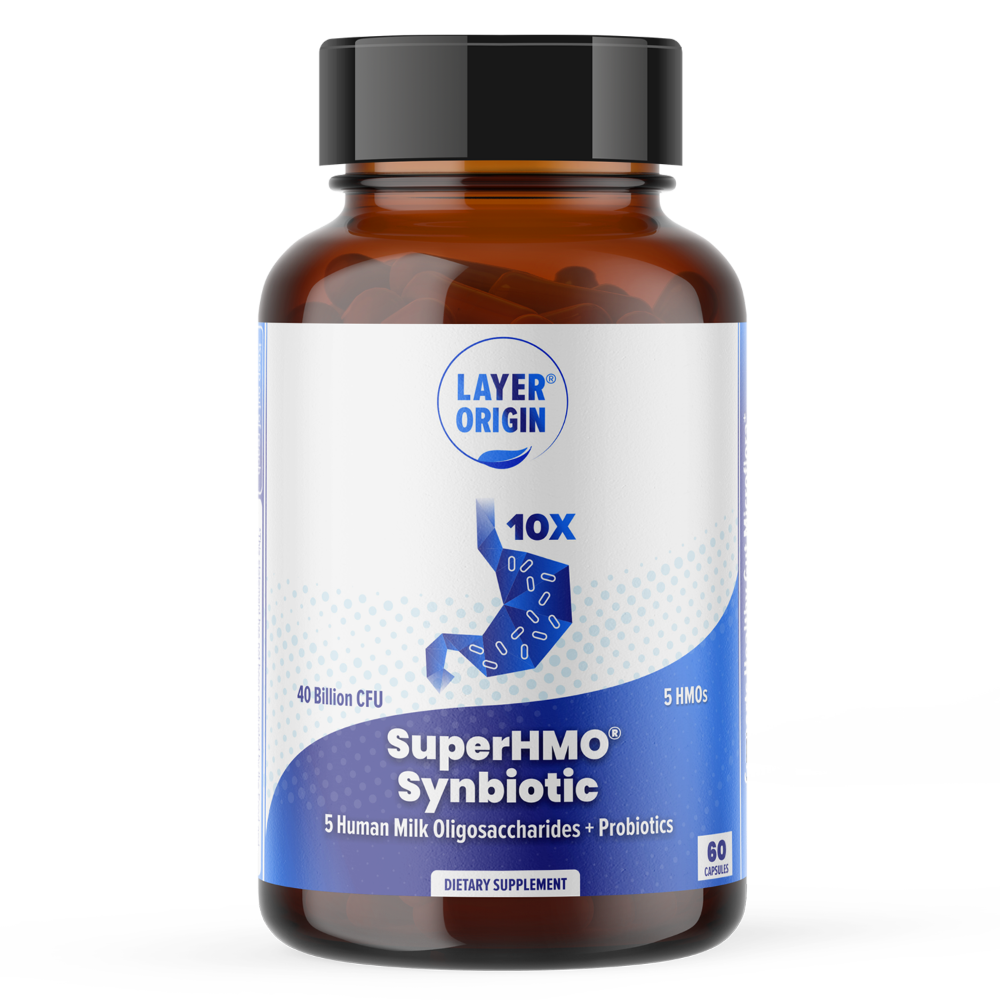
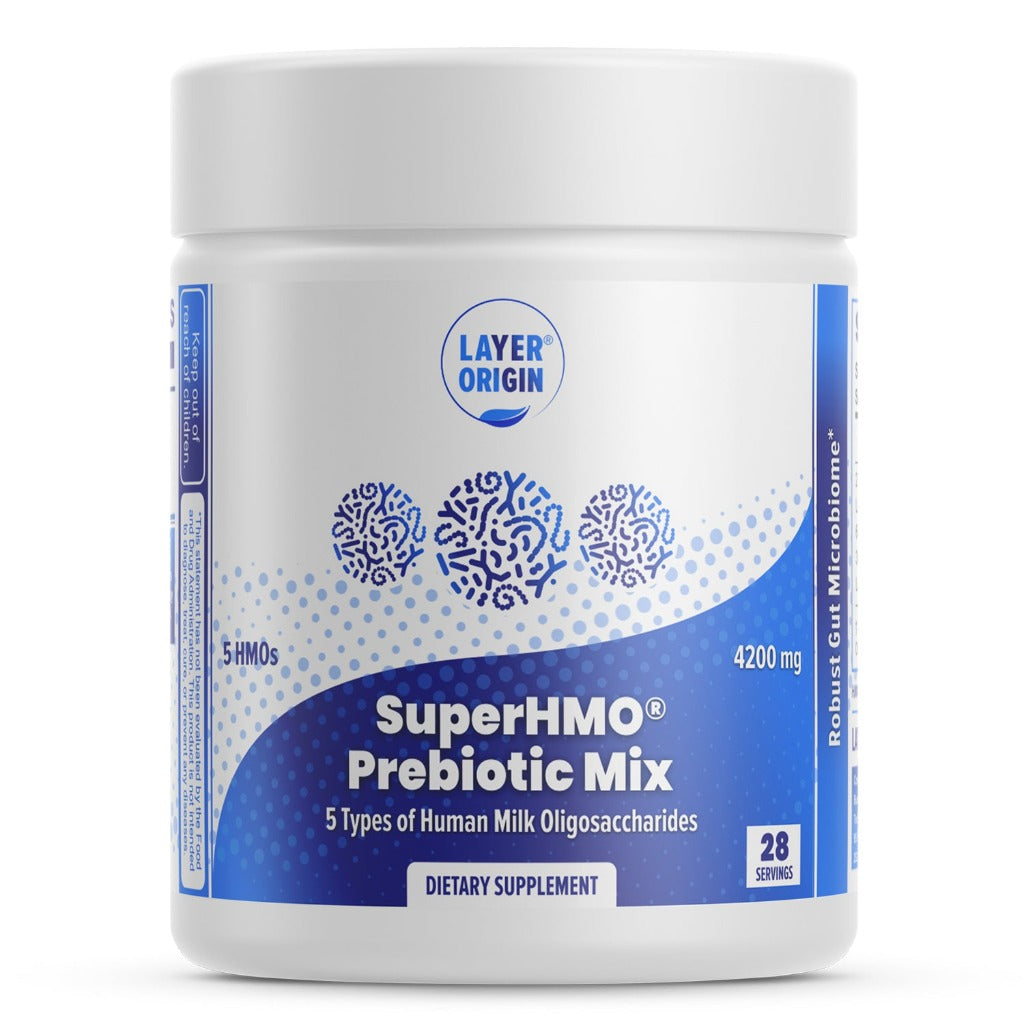
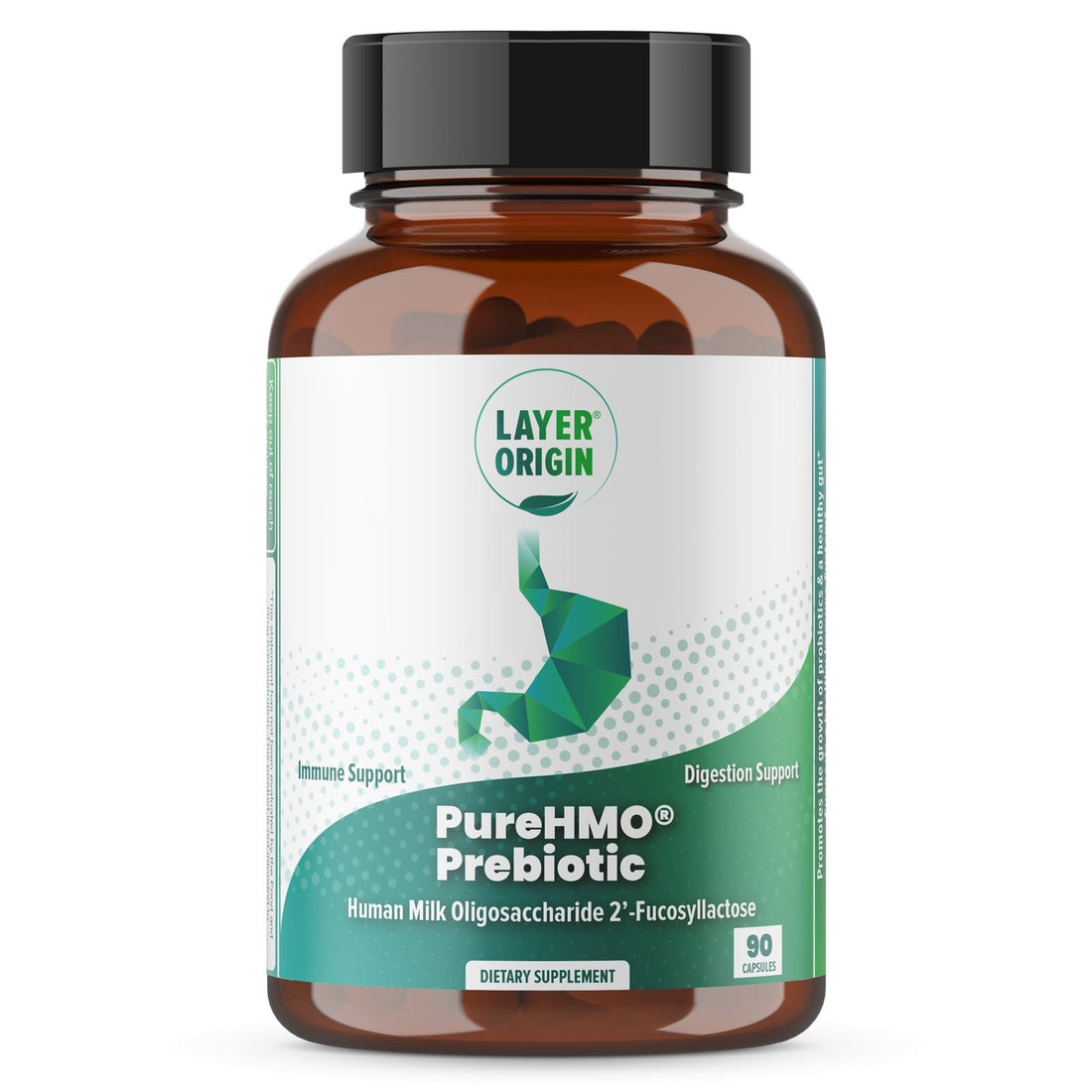
Another way to keep your gut microbiome balanced is to add some prebiotic and probiotic supplements to your diet. Prebiotics, like human milk oligosaccharides (HMOs), increase the abundance of Bifidobacteria in the gut and improve sleep [16]. At the same time, probiotics and synbiotics can also contribute to an abundant, diverse, and healthy gut microbiome.
Practice good sleep hygiene
Working on your sleep routine by going to bed at a consistent time each night and waking up at the same time every morning will keep your gut microbiome and your sleep-wake cycle balanced. Other things you can do to promote good sleep include:
-
keep your bedroom cool, dark, and clean
-
limit screen time 2 hours before going to sleep
-
stop eating or snacking a few hours before going to bed
-
create a relaxing bedtime routine
Limit your exposure to sleep disruptors
Certain things can naturally disrupt your sleep, such as gut irritants, like sugar, alcohol, and caffeine. Ideally, you should limit your intake of these or, in the case of caffeine, stop ingesting it after around 2 pm so that it fully leaves your body before bedtime.
Stay active
Getting regular exercise, even a daily walk, is enough to lower stress and improve gut motility. Pair these with gentle exercises, like Yoga or Pilates, to support digestion and regulate stress and mood.
Summary
Poor or disrupted sleep is associated with an increased risk of negative health outcomes. Emerging research has shown that sleep quality can impact your gut health and the composition of your gut microbiome. A more diverse gut microbiome is linked with better sleep outcomes. Equally, the gut microbiome can influence serotonin production and may disrupt sleep regulation.
Current research is highlighting how specific microbes may protect against or increase the chance of insomnia, and that factors like diet could be used to manipulate the composition of your gut to improve sleep.
Want to keep your gut balanced? Explore our range of PureHMO® products.
Written by: Leanne Edermaniger, M.Sc. Leanne is a professional science writer who specializes in human health and enjoys writing about all things related to the gut microbiome.