Feeding your gut microbes may offer benefits beyond digestion. A clinical trial in people with Parkinson’s offers encouraging evidence that a prebiotic can influence gut bacteria, the compounds they produce, and disease-relevant biological pathways, bringing fresh attention to the value of supporting gut health to manage both motor and non-motor symptoms.
Content outline
What is the connection between the gut and Parkinson’s disease?
Parkinson’s disease affects more than just your movement; it can also disrupt digestion and the communication pathway between the gut and brain. Researchers have consistently observed an imbalanced gut microbiome, or dysbiosis, in Parkinson’s disease patients. Beneficial short-chain fatty acid (SCFA)- producing bacteria are often reduced, while pro-inflammatory species increase, leading to a weakened gut barrier, increased systemic inflammation, and heightened neuroinflammatory responses that drive key neurological features of Parkinson’s disease [1].
Despite the disease being characterized by symptoms such as tremors, stiffness, slowed movements, and loss of balance [2], many of the early or prediagnostic symptoms are non-motor related. For example, one of the earliest and most common pre-diagnostic Parkinson’s symptoms is chronic constipation, which can begin 10 to 20 years before clinical diagnosis or tremors or movement difficulties become apparent [3].
Menozzi and colleagues found that people with Parkinson’s disease have a distinct gut microbiome compared with those without the condition, which could serve as an early marker of disease development [4]. Other research suggests that early microbiome changes and α-synuclein, a neuronal protein that, when it misfolds, can be toxic and cause neurodegeneration in many disorders, including Parkinson’s, could trigger the disease through accumulation in the gastrointestinal tract [5].
Although Parkinson’s is a brain disorder, this research has shown that it is closely linked to the gut, making the gut microbiome an important area of research, particularly for preventing the development and progression of the disease.
In this article, we look at the results of a study by Petrov and colleagues, comparing a conventional diet, resistant starch supplementation, and a high-fiber diet in people with Parkinson’s disease over 48 weeks to understand the potential of diet in modulating the gut microbiome and improving the quality of life in Parkinosn’s disease patients.
What did the 48-week trial investigate?
Petrov and colleagues investigated whether dietary changes could influence the gut microbiome and related health measures in people with Parkinson’s disease. They enrolled 74 participants, aged between 40 and 85, with mild to moderate Parkinson’s disease, across three dietary groups:
-
Standard diet
-
Standard diet with resistant starch supplementation
-
High-fiber diet
The researchers then tracked gut microbiome changes, measured fecal metabolites including SCFAs, analyzed inflammatory biomarkers in the blood, and assessed Parkinson’s symptoms and quality of life over 48 weeks, during which the treatment was received for 40 weeks, and the final 8 weeks were after treatment had ended, known as a washout period.
What did the researchers find out?
One key finding was that resistant starch supplementation improved the composition and diversity of the gut microbiome in Parkinson’s patients. It increased the abundance of Faecalibacterium species, a major butyrate producer in the gut, which is associated with many important health benefits, including being the main energy source for the cells that line the gut (colonocytes). Resistant starch also reduced the abundance of pro-inflammatory bacteria that have been closely linked to Parkinson’s disease progression (Figure 1).

Figure 1. The graph compares the types of gut bacteria and their predicted activities during the short-term study in three groups: supplement (blue), high-fiber diet (green), and mixed diet (red). Dots show each group’s estimated average, and vertical lines show the uncertainty around it. More asterisks indicate stronger statistical evidence of a difference between groups.
Long-term results
Longer-term resistant starch was associated with improvements in motor symptoms, non-motor symptoms, and quality of life. These improvements were also accompanied by increased levels of the anti-inflammatory proteins APOA4 and HSPA5 in participants' blood, along with reduced erythronic acid, which could support improved mitochondrial function.
APOA4 and HSPA5 are proteins linked to inflammation and cellular protection. Their increase suggests that a gut-focused dietary intervention might influence pathways involved in Parkinson’s. Researchers propose that these changes may relate to neuroinflammation and the harmful effects of abnormal alpha-synuclein, a protein linked to the disease.
APOA4 is also known as apolipoprotein A-IV. HSPA5 helps proteins fold correctly inside cells.
The findings give researchers specific biological pathways to investigate next. They suggest possible mechanisms linking nutrition to the body’s protective responses, rather than showing that these proteins have already protected patients’ brains.
What is resistant starch?
Resistant starch is a type of carbohydrate that passes through the digestive tract untouched until it reaches the colon, where it acts as a prebiotic and feeds your good gut bacteria. This process, called fermentation, produces beneficial metabolites, particularly SCFAs and, in some cases, vitamins, creating a valuable link between the carbohydrates you eat and your gut microbiome's activity.
Some reliable sources of resistant starch include:
-
Barley
-
Oats
-
Wholewheat
-
Lentils
-
Black beans
-
Pinto beans
-
Chickpeas
-
Green bananas
-
Cooked and cooled potatoes, rice, and pasta
Different forms of resistant starch occur in foods such as legumes and less-ripe bananas. Cooking and cooling starchy foods can also create resistant starch as the starch changes structure. However, foods and supplement powders supply different amounts and types; they are not automatically interchangeable with a research intervention.
People also respond differently. A human feeding study found substantial variation in microbial and butyrate responses to resistant starch, showing why the same supplement may not produce the same effects for everyone [6]. Devarakonda and colleagues also found similar results and concluded that differences in microbiome composition could determine an individual's response to resistant starch [7].
Why are short-chain fatty acids important for gut health and Parkinson’s disease?
Short-chain fatty acids (SCFAs), including acetate, propionate, and butyrate, help connect gut microbes with the body’s immune system. In Parkinson’s, where altered gut bacteria, a weakened intestinal barrier, and inflammation may interact, these compounds offer a promising research target. Supporting their production could help create a healthier gut environment.
Gut microbes produce SCFAs when they ferment foods such as resistant starch. Their potential relevance to Parkinson’s involves several connected processes:
-
Supporting the gut barrier: Butyrate fuels colon lining cells and helps maintain the protective barrier. This could help limit the passage of bacterial substances that may trigger inflammation elsewhere in the body [8].
-
Influencing immune responses: SCFAs help regulate immune signaling. In one study involving 72 Parkinson’s patients, scientists either gave them SCFAs (propionic and butyric acid), and/or the human milk oligosaccharide 2’-fucosyllactose for 6 months alongside the individuals' usual Parkinson’s disease treatment. The results showed that, in all groups, gut microbiome composition improved and motor symptoms improved [9].
-
Potentially protecting nerve cells: In some animal models of Parkinson’s, butyrate has reduced brain inflammation and protected dopamine-producing nerve cells—the cells progressively lost in the disease. These findings may explain the benefits researchers are now exploring in people [10].
The resistant starch trial adds encouraging human evidence that supplementation increased SCFAs alongside changes in gut microbes and reported symptom improvements. Although it does not establish that SCFAs caused those improvements, it strengthens the case for investigating how nourishing gut microbes could complement Parkinson’s care.

Figure 2. How resistant starch supports both gut health and could benefit Parkinson’s disease.
Summary
The trial offers an encouraging message: gut microbes respond to what we feed them, and targeted dietary changes can influence microbial activity and biological measures relevant to health. For people living with Parkinson’s, supporting digestive wellbeing is a practical part of looking after the whole person alongside their established medical care.
You do not need to transform your diet overnight. Start with one achievable change, build a routine that suits you, and seek personalized support when needed. The research gives us more reasons to pay attention to the gut and to keep exploring its role in long-term wellbeing.
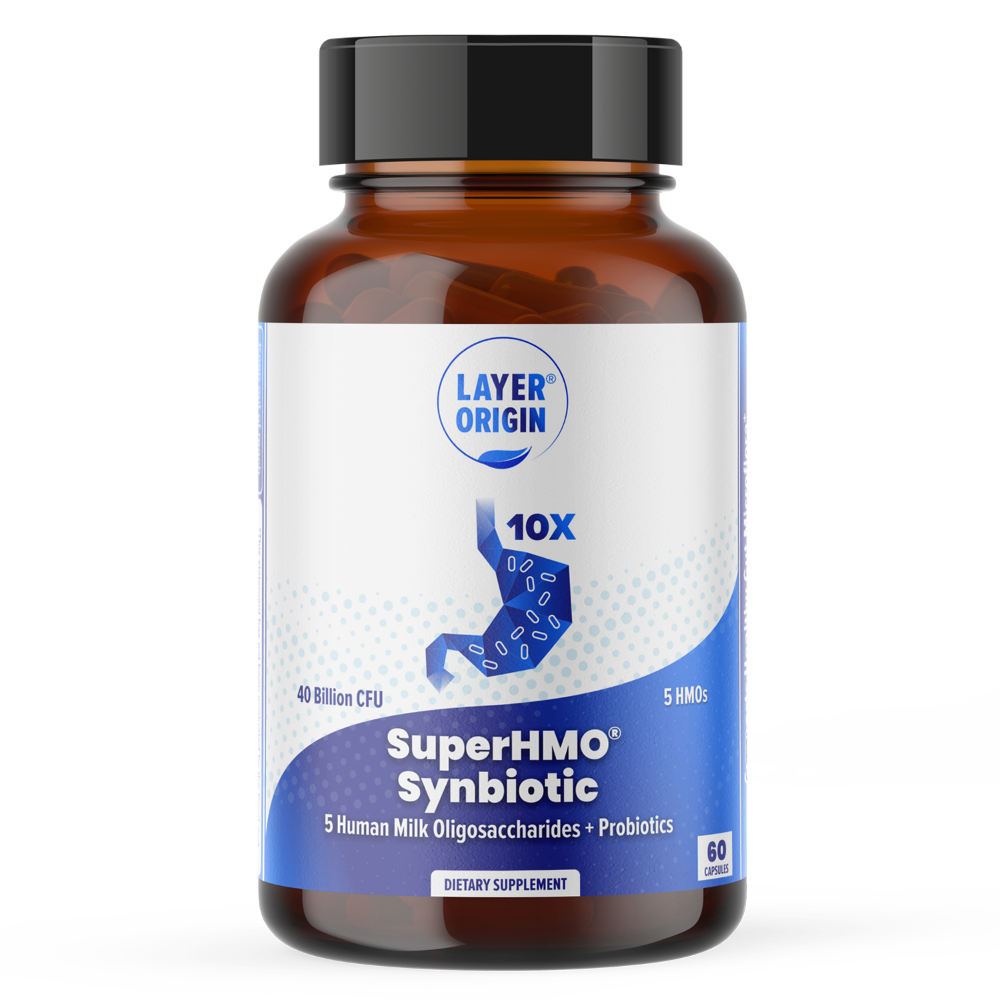
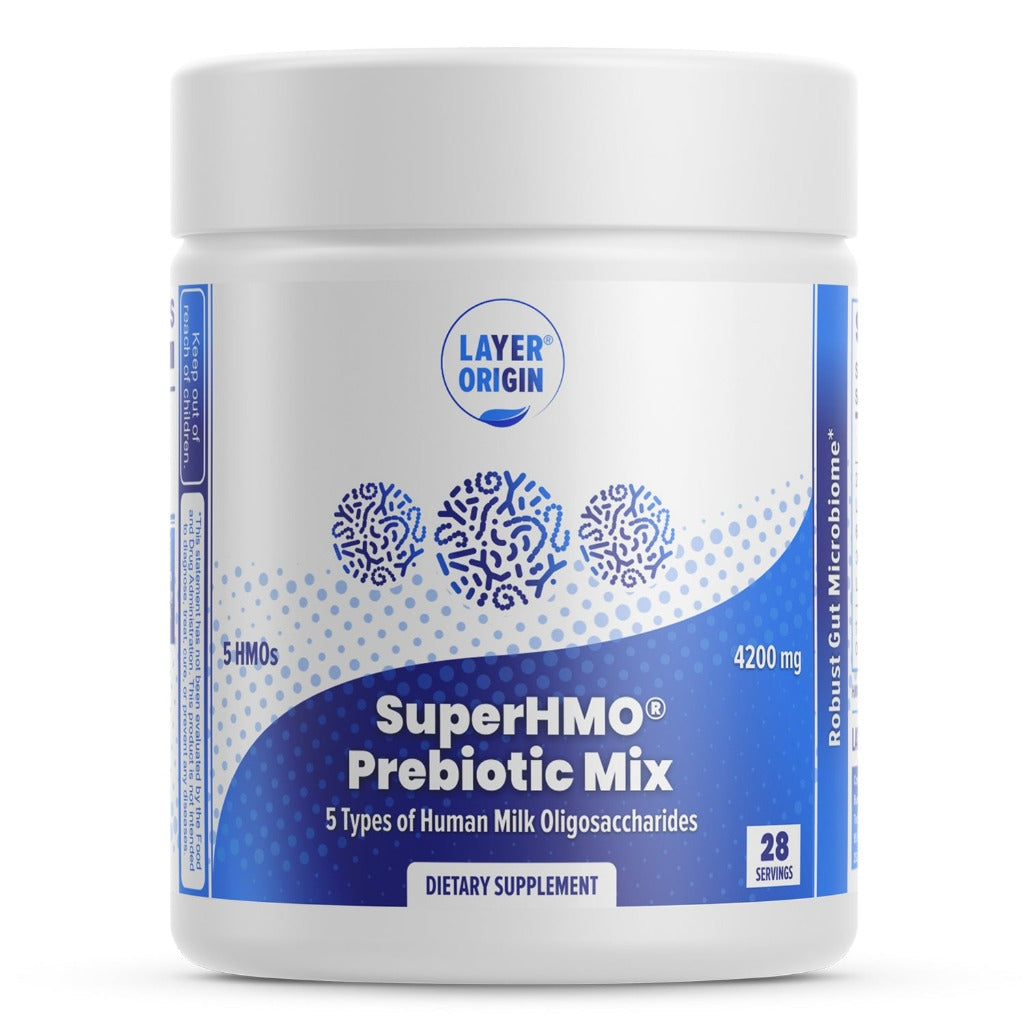
Want to support your gut health for long-term neuronal and cognitive wellbeing? Try our SuperHMO® Prebiotic mix, made with 5 HMOs known to promote the growth of more than 100 beneficial gut bacteria strains. Also available for kids!
Author details
Written by: Leanne Edermaniger, M.Sc. Leanne is a professional science writer who specializes in human health and enjoys writing about all things related to the gut microbiome. She has written extensively on inflammatory bowel disease, prebiotics, and microbiome research.
Her work focuses on translating complex medical science into evidence-based, practical health guidance.