Prebiotics can support your gut microbes, but the same supplements will not produce the same results for everyone. Your existing bacteria, diet, and ingredient choices can shape how you respond. Understanding these differences can help you build a more thoughtful gut health routine.
Content outline
-
Why does the same prebiotic work differently for different people?
-
What does human research show about personalized prebiotics?
-
Summary: What you should take away about personalized prebiotics
The same prebiotic supplement can produce different results in different people. Your colonic ecosystem is shaped by factors like the current composition and diversity of your gut bacteria and your diet. So, adding a new supplement to the mix may produce results that differ from someone else's. Understanding why these differences occur can help you make more informed choices, without assuming you need an expensive test or a custom-made formula.
Perhaps a friend recommends a prebiotic that has transformed their digestive routine, but when you try it, you notice little difference or more bloating than expected. That experience doesn’t necessarily mean that the prebiotic supplement is ineffective. Instead, it highlights something that researchers are increasingly recognizing: the person taking the supplement matters as much as the supplement itself.
In this guide, we explore what prebiotics are, what makes them personalized, why prebiotics work differently in different people, and what you can do to build a personalized prebiotic routine that suits you.
What are prebiotics and how do they work?
Prebiotics are substances that specific gut microorganisms can break down and use as nourishment, providing health benefits [1]. Many prebiotics are types of fiber, although not every fiber is prebiotic. Unlike probiotics, which supply live microbes [2], prebiotics feed microbes already living in your gut.
Some examples of prebiotics include:
-
Inulin
-
Fructooligosaccharides (FOS)
-
Galactooligosaccharides (GOS)
-
Human milk oligosaccharides (HMOs)
When gut microbes ferment these substances, they can produce compounds called short-chain fatty acids (SCFAs), such as acetate, propionate, and butyrate. Butyrate is the main energy source for the cells that line your colon and play an important role in maintaining the integrity of your gut barrier. This is one of the ways that prebiotics work for gut health.
What are personalized prebiotics?
Personalized prebiotics are custom-tailored blends of non-digestible fibers that are designed to feed specific beneficial bacteria that are missing or under-represented in your gut microbiome.
To find out which bacteria your gut microbiome may be lacking, you’ll usually need an at-home gut flora or stool test to analyze your gut ecosystem [3]. The personalized combinations are then devised to match the specific carbohydrate structure the unique bacterial strains you need will utilize, rather than using a generic, one-size-fits-all fiber.
Why does the same prebiotic work differently for different people?
Your gut microbiome is unique to you – even twins can have completely different compositions. That means your community of microorganisms can use prebiotics differently than other people. In other words, the same product can affect people differently. Several factors explain this, including your usual diet, the ingredients in the prebiotics, and the dose.
Personalization begins with recognizing these differences, so you can use prebiotics to your advantage. It’s a myth that everyone needs a personally manufactured supplement.
Your starting gut microbiome influences the response
Prebiotics depend on microbes that can use them, either directly or through cooperation with other bacteria. If microbes differ in number or activity between people, their responses can differ too. This helps explain why an ingredient that changes one person’s microbiome may have a smaller effect in someone else [4].
Think of your gut microbes as having a different set of tools. A bacterium needs suitable enzymes to break down a specific carbohydrate or prebiotic component. So, if you take a prebiotic that nourishes a specific bacterium you don't already have in your gut, it’s unlikely to benefit you. This is why your starting gut microbiome matters for the initial response, and why you may get a different result than someone else.
Your everyday diet changes the starting point
Your diet is a key factor in the development and composition of your gut microbiome and one of the easiest ways to influence your microbiota's diversity. For example, your usual fiber intake will help to shape the environment in which a prebiotic supplement works. One human study found that people who habitually eat less fiber tended to show larger changes in a particular stool butyrate measure after personalized prebiotic supplementation [5].
This does not mean you should eat less fiber for a personalized prebiotic to work. Someone who already eats a wide range of fiber is more likely to have a healthy and abundant microbiome, which is something to consider.
The ingredients and the dose matter too
Different prebiotics have different structures, so they don’t all feed the same microbes or produce the same effects [6]. This is a good thing because the more varied your diet is, the more diverse your gut is likely to be.
The dose matters too. Increasing your prebiotic fibre intake can change your biological response and digestive tolerance, which doesn’t always mean more is better, especially if you’re not used to eating fibre.
What does human research show about personalized prebiotics?
Human research supports differences in prebiotic response, but it also challenges the idea that everyone needs a uniquely matched ingredient. For example, one study found that personalized prebiotic and probiotic supplements in people with irritable bowel syndrome (IBS) could alleviate some of the symptoms, when the substrates were selected according to the individual's IBS subtype and microbiome composition [7].
A review concluded that the future of prebiotics lies in their integration into personalized nutrition and precision medicine, with prebiotics that are tailored to an individual potentially being able to enhance therapeutic outcomes [8].
Do you need a microbiome test to choose a prebiotic?
Not necessarily. You don’t need a commercial microbiome test to start making thoughtful prebiotic choices. General prebiotics like inulin, FOS, and GOS feed your beneficial bacteria without your fecal matter needing analysis. Although testing can describe aspects of a stool sample, it still can't reliably identify the best supplement for an individual. An international expert consensus highlights important evidence gaps around routine clinical use [9].
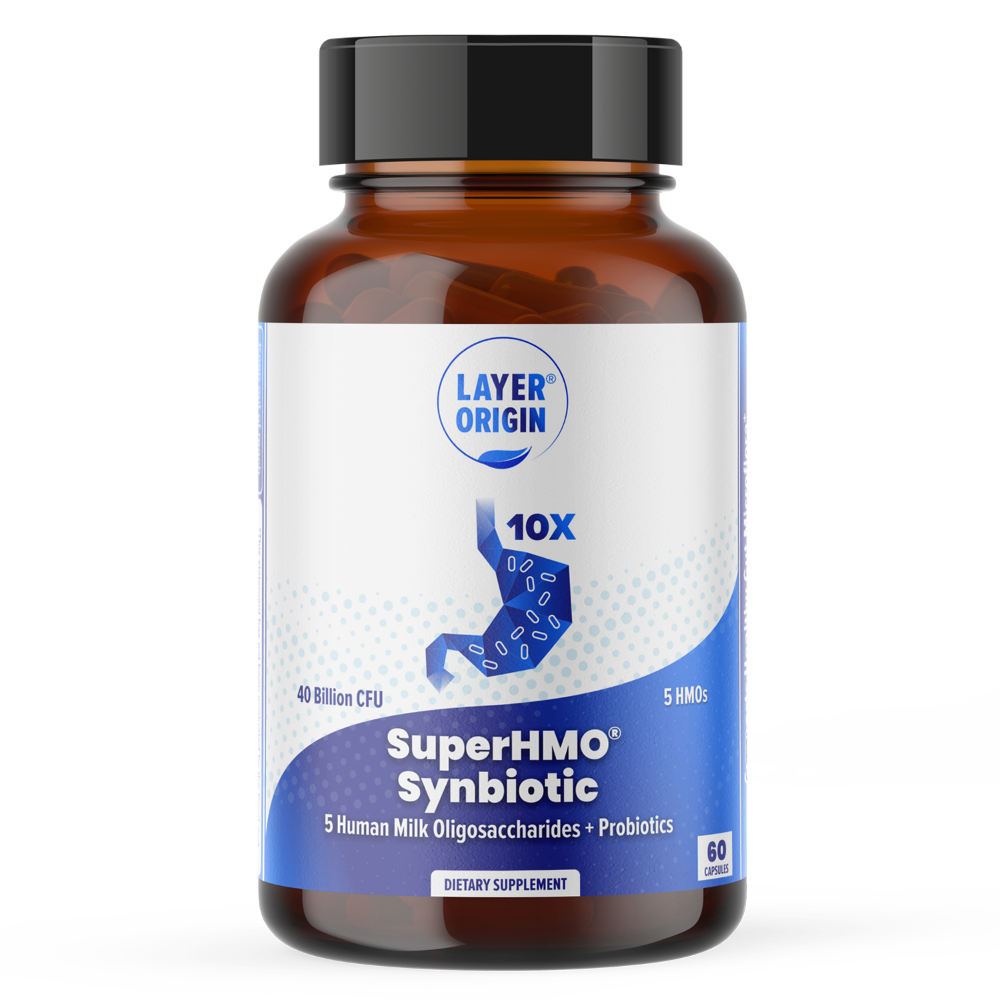
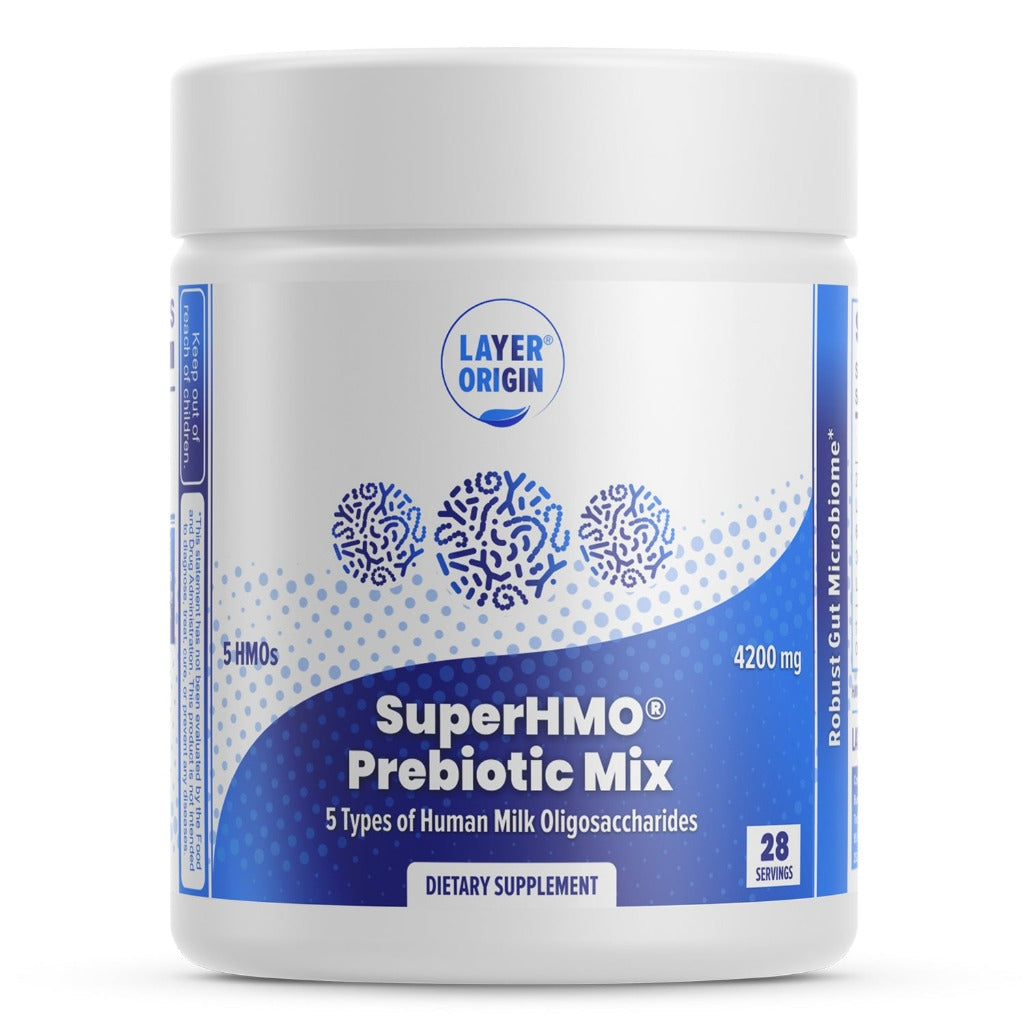
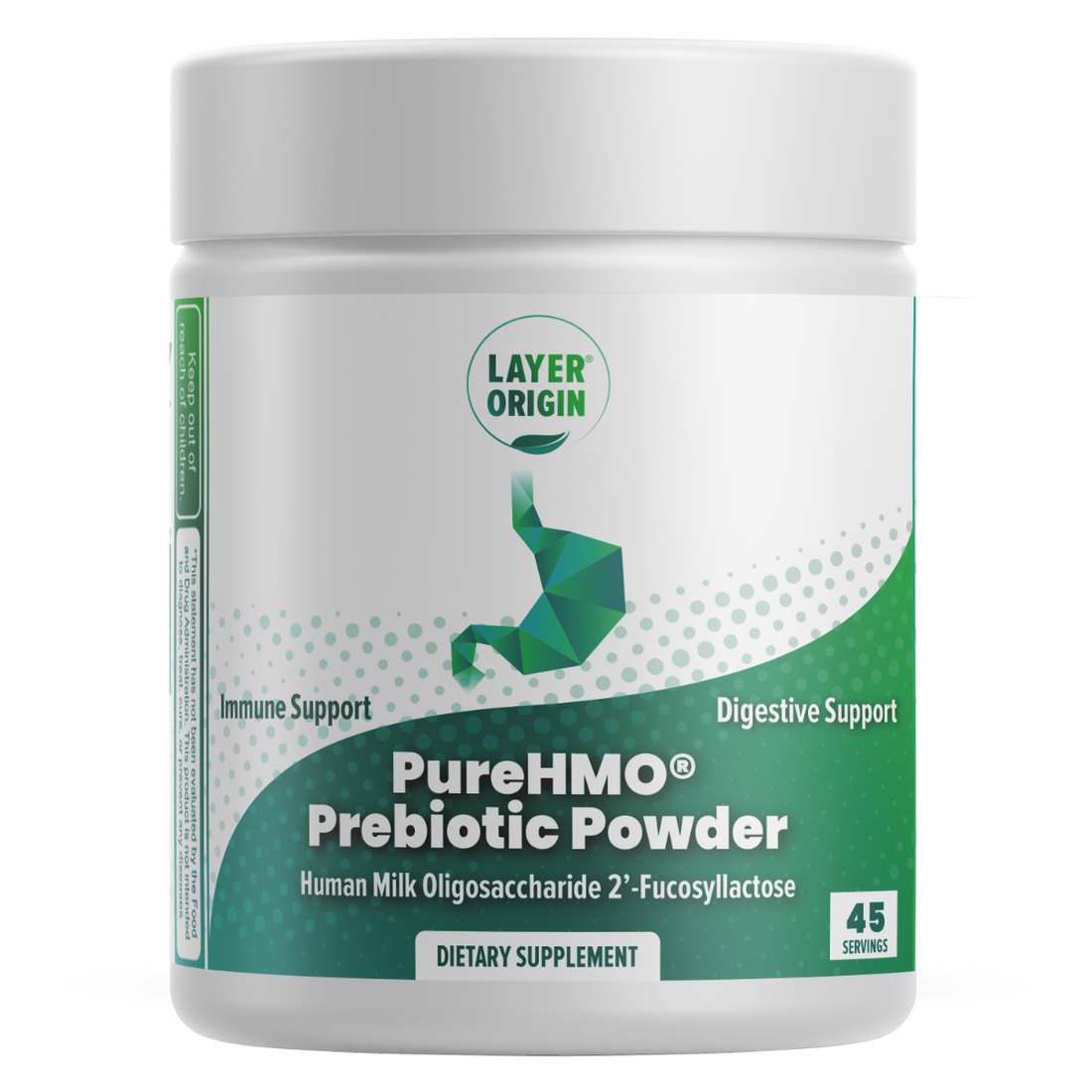
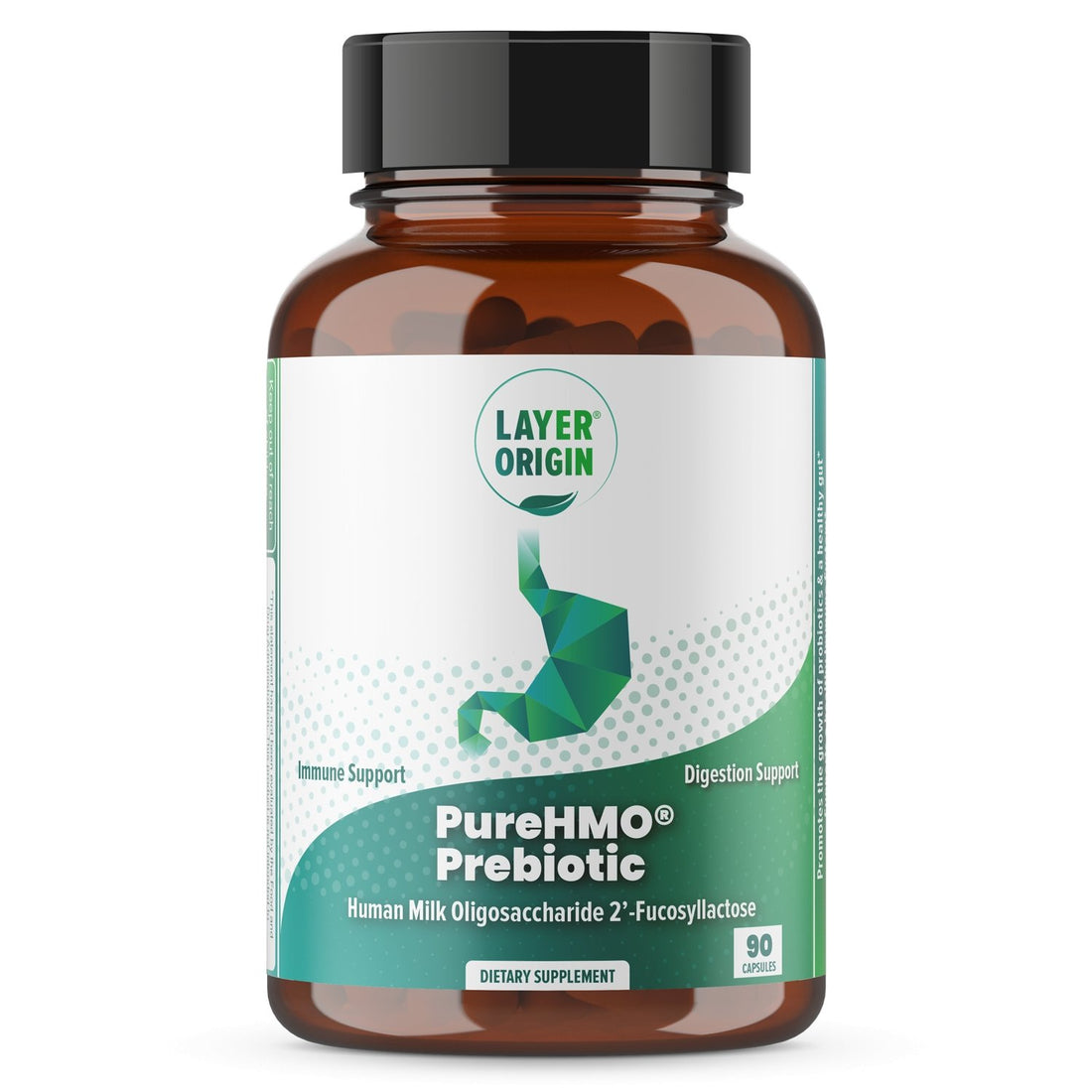
However, microbiome testing can give you valuable insights into your gut microbiome composition before and after taking prebiotics. For example, our own research found that taking our PureHMO® supplement increased Bifidobacteria abundance alone by 2582% in just 23 days. It also increased the abundance of several other beneficial bacterial genera, as shown in Figure 1.

Figure 1. Supplementation with the PureHMO® prebiotic increased several examples of good gut bacteria.
How can you build a prebiotic routine that suits you?
A practical prebiotic routine starts with your diet, an often-overlooked aspect of lifestyle and gut health [10], a clear goal, and attention to digestive comfort. When choosing a prebiotic, choose an ingredient with relevant human evidence, such as human milk oligosaccharides, follow the product instructions and only change one thing at a time, so that you don’t overwhelm your digestive system.
Here are some of the things you can do to make the process manageable:
✅Choose a clear goal. Supporting regular bowel habits is easier to assess than a vague aim to “optimize” your gut. Consider things like bowel regularity or consistency, or “I want to increase my fiber by Xg per day.”
✅Review your food intake. Supplements should complement a varied diet, so can you improve your diet naturally?
✅Read the label. Before starting a new prebiotic supplement, review the ingredients, serving size, and directions.
✅Keep a diary. This helps you track bowel frequency, stool consistency, and discomfort so you can monitor your progress.
✅Reassess your approach. If bloating or pain persists, review the product, adjust your dose, or seek advice.
Summary: What you should take away about personalized prebiotics
Personalized prebiotics are about recognizing that your diet, microbes and tolerance influence your response. They do not require assuming everyone needs a custom formula. Start with evidence, set realistic expectations and choose a routine you can maintain, while remembering that supplements complement a varied diet rather than replace it.
Ready to explore your options? Discover our 2′-FL prebiotic products, or explore our Knowledge Center to learn more about HMOs and build a gut health routine that suits you.
Personalize Your Gut Support from Layer Origin Using the Following Chart
Choose a gut-support purpose from the interactive chart. If the chart does not load, explore the complete Layer Origin product collection.
Author details
Written by: Leanne Edermaniger, M.Sc. Leanne is a professional science writer who specializes in human health and enjoys writing about all things related to the gut microbiome. She has written extensively on inflammatory bowel disease, prebiotics, and microbiome research.
Her work focuses on translating complex medical science into evidence-based, practical health guidance.