Polyphenols and prebiotics may work better as a team than alone. Polyphenols are plant compounds that gut bacteria can turn into useful metabolites, while prebiotics nourish selected beneficial microbes. Early clinical evidence suggests that combining them could influence markers linked with blood fats and blood sugar, although longer studies are still needed.
Content outline
-
Why could the gut microbiome matter for cardiometabolic health?
-
How can you combine polyphenols and prebiotics in your diet?
-
Summary: Are polyphenol-prebiotic combinations the future of heart and metabolic health?
What are polyphenols and prebiotics?
Polyphenols are natural compounds that give many plant foods their colour, taste, and protective qualities. For example, red polyphenols give whole foods like beetroot, cranberries, and strawberries their distinctive, vibrant hue. Prebiotics, on the other hand, are substances used by helpful microorganisms in ways that may benefit health. They are different ingredients, but both interact closely with the gut microbiome, the community of bacteria and other microorganisms living mainly in the large intestine.
Polyphenols are much more than just antioxidants
Polyphenols are found in berries, pomegranate, red grapes, hibiscus, cocoa, tea, apples, herbs, and many vegetables. Anthocyanins, which help make berries and hibiscus red, purple, or blue, are one well-known group [1].
Polyphenols are often described simply as antioxidants. That is only part of the story. Many are not fully absorbed in the small intestine. They continue travelling to the colon, where gut bacteria break them into smaller compounds that the body may absorb more easily [2].
These microbial metabolites can then influence inflammation, blood vessel function, and metabolism. This describes a two-way relationship where microbes transform polyphenols into beneficial compounds, while polyphenols can also influence which microbes thrive.
Prebiotics are fuel for selected gut microbes
Prebiotics cannot be broken down by the human body. So, they resist digestion in the upper digestive tract, like the stomach and small intestine, and reach the colon, where selected gut microbes, such as Bifidobacteria and Lactobacilli can use them for sustenance.
Common examples of prebiotics include:
-
Inulin, found naturally in foods such as chicory root, onions and garlic
-
Fructo-oligosaccharides
-
Galacto-oligosaccharides
By using prebiotics as nourishment, beneficial microbes can use them to produce short-chain fatty acids (SCFAs) and other metabolites like vitamins. These substances help maintain the integrity of the gut barrier, which is essential for immunity and also communicate with organs involved in appetite, glucose control, and fat metabolism. However, not every fibre is a prebiotic, and different prebiotics feed different microbial groups.
How could polyphenols and prebiotics work together?
Polyphenol-prebiotic combinations unite microbial ingredients with microbial fuel. Prebiotics can help support bacteria capable of transforming polyphenols, while polyphenols and their breakdown products can shape the microbial community in return. This may create a more useful metabolic environment, but the exact response depends on the ingredients, dose, and individual microbiome.
Think of the microbiome as a busy workshop. Polyphenols provide raw materials that need specialist microbial tools. Prebiotics help supply energy to some of the workers using those tools.
Together, they may influence:
-
the production and absorption of bioactive polyphenol metabolites
-
short-chain fatty acid production
-
gut barrier function and immune signalling
-
pathways involved in glucose and lipid metabolism
What does the latest research show?
A 2025 randomised controlled trial found that a daily standardised hibiscus-inulin shot improved two exploratory lipid-glucose indices over eight weeks compared with a placebo. The differences were greater among participants who started at higher risk. Blood pressure measures did not change, and researchers stressed that the results do not yet prove a clinical health benefit.

Figure 1: Polyphenol-rich foods and prebiotics feed gut microbes, which produce bioactive metabolites connected with cardiometabolic pathways.
The double-blind trial included 100 adults aged 18 to 50 with a BMI of at least 25 kg/m². Half drank a 60 ml hibiscus-inulin shot each day, while half received a drink designed to look and taste similar, also known as a placebo.
After adjustment for starting values, age and sex, the differences compared with the placebo were:
-
AIP: −0.09 (95% confidence interval −0.15 to −0.03)
-
TyG: −0.14 (95% confidence interval −0.26 to −0.03)
What are AIP and TyG?
The Atherogenic Index of Plasma (AIP) is calculated from triglycerides and high-density lipoprotein (HDL) cholesterol, two types of blood fat, which if found in high levels, can have negative health outcomes. AIP is often used as a marker to evaluate our risk of heart disease [3].
The triglyceride-glucose index (TyG) combines fasting triglyceride and glucose levels. It is used in research as an indirect marker of insulin resistance, which means the body’s cells do not respond to insulin as effectively as they should [4].
Why did higher-risk participants respond more?
People with less favourable starting markers showed greater changes. One possible explanation is that there was more room for improvement. It could also mean that a person’s health before starting an intervention influences how they respond to nutritional improvements or dietary changes.
This is an interesting finding for personalised nutrition, but the subgroup results need confirmation in larger and longer trials specifically designed to test them.
Why could the gut microbiome matter for cardiometabolic health?
The gut microbiome is a powerful ecosystem that not only regulates and benefits digestion. Also known as the body’s second brain [5], the gut microbiome can turn food components into molecules that communicate with the liver, blood vessels, immune system, and other tissues. Research links microbial composition and activity with obesity, insulin resistance, and cardiovascular disease. These links do not prove that one bacterial species causes disease, but they help explain why diet-microbe interactions are being studied.
A broad review of diet, the microbiome and cardiometabolic health describes several possible routes. Microbial metabolites may affect the gut barrier, inflammation, bile acid signalling, and how the body handles glucose and fats. Polyphenol breakdown products and short-chain fatty acids may form part of this network.
However, microbiomes differ greatly between people, and the same food can produce different metabolite patterns. Genes, usual diet, medication, sleep, and physical activity can all affect the response.
How can you combine polyphenols and prebiotics in your diet?
The simplest approach is to eat a varied, plant-rich diet that regularly provides natural polyphenols and prebiotics to your gut. Pair colourful fruit, vegetables, and drinks with foods containing fermentable carbohydrates. Variety matters because different plants supply different polyphenols and fibers, exposing the microbiome to a wider range of potentially useful substances.
Easy pairings include:
-
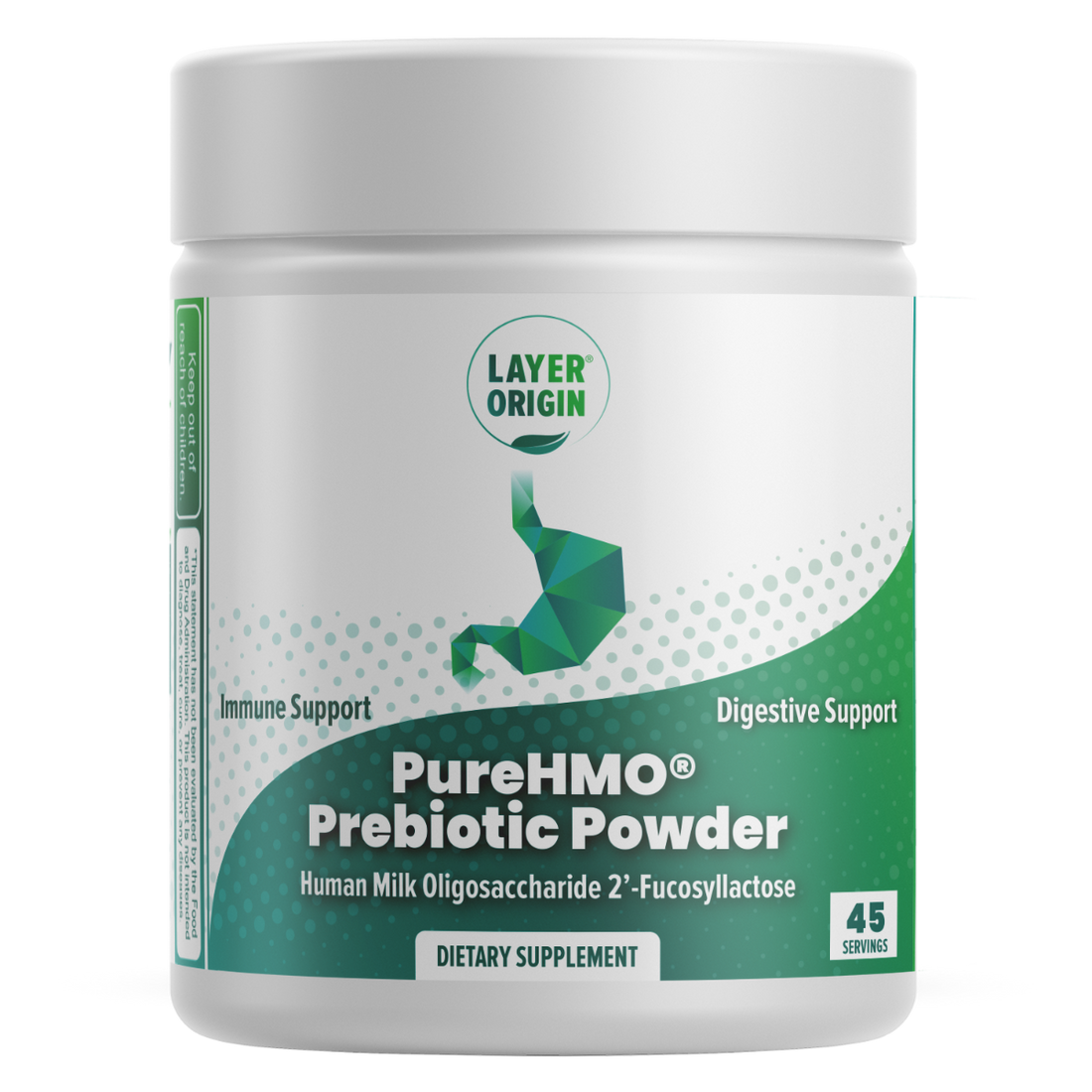
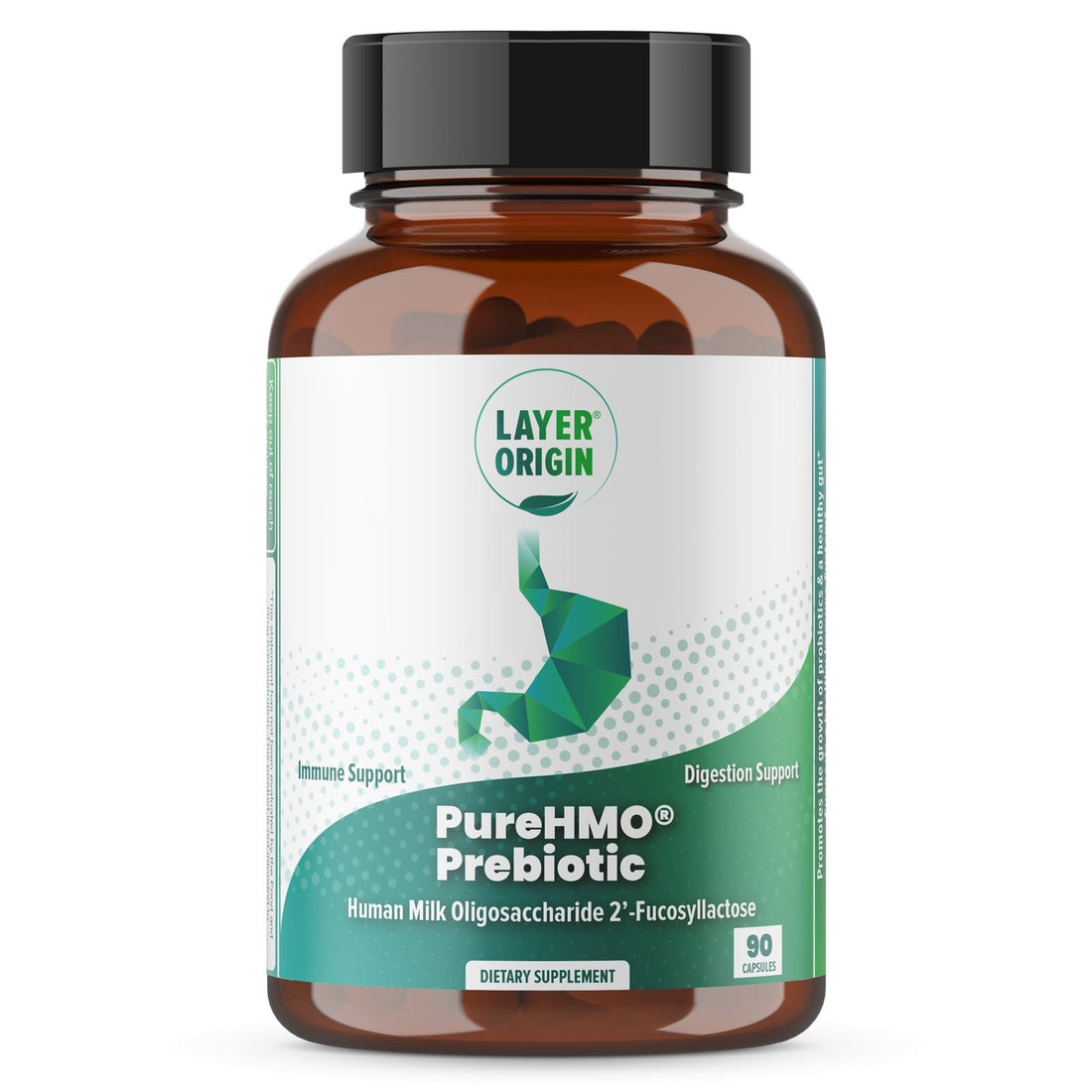
berries with oats or plain yoghurt containing added prebiotic fibre (add a scoop of PureHMO® to your morning meal)
-
cocoa and sliced banana stirred into oatmeal
-
try red cabbage, onion, and beans in a grain bowl for a simple prebiotic-polyphenol lunch idea
-
an apple with its peel alongside a fibre-rich meal
-
unsweetened hibiscus tea with a meal containing onions, garlic, or legumes
Increase your fiber intake gradually and make sure you drink enough fluid, especially if your usual intake is low. A sudden increase can cause gas, bloating, or changes in bowel habits, which can be uncomfortable and affect your progress.
Where do HMOs come in?
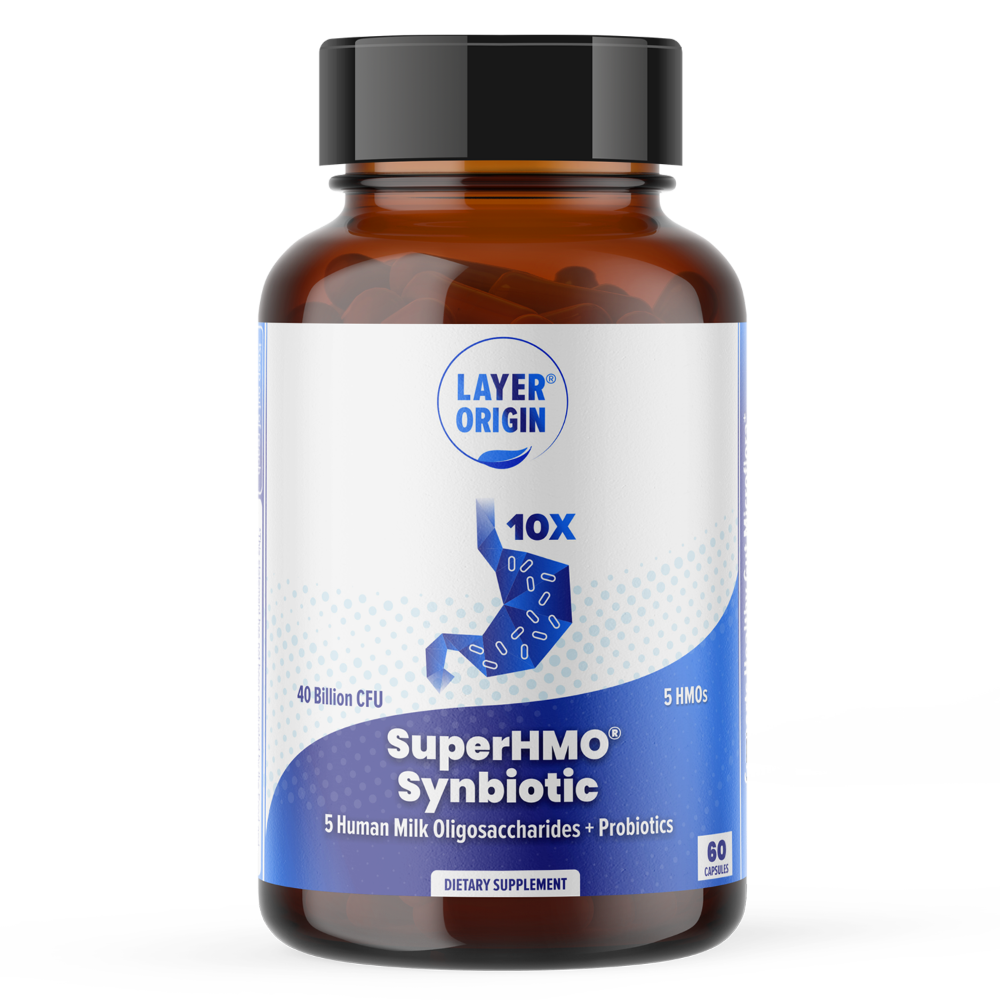
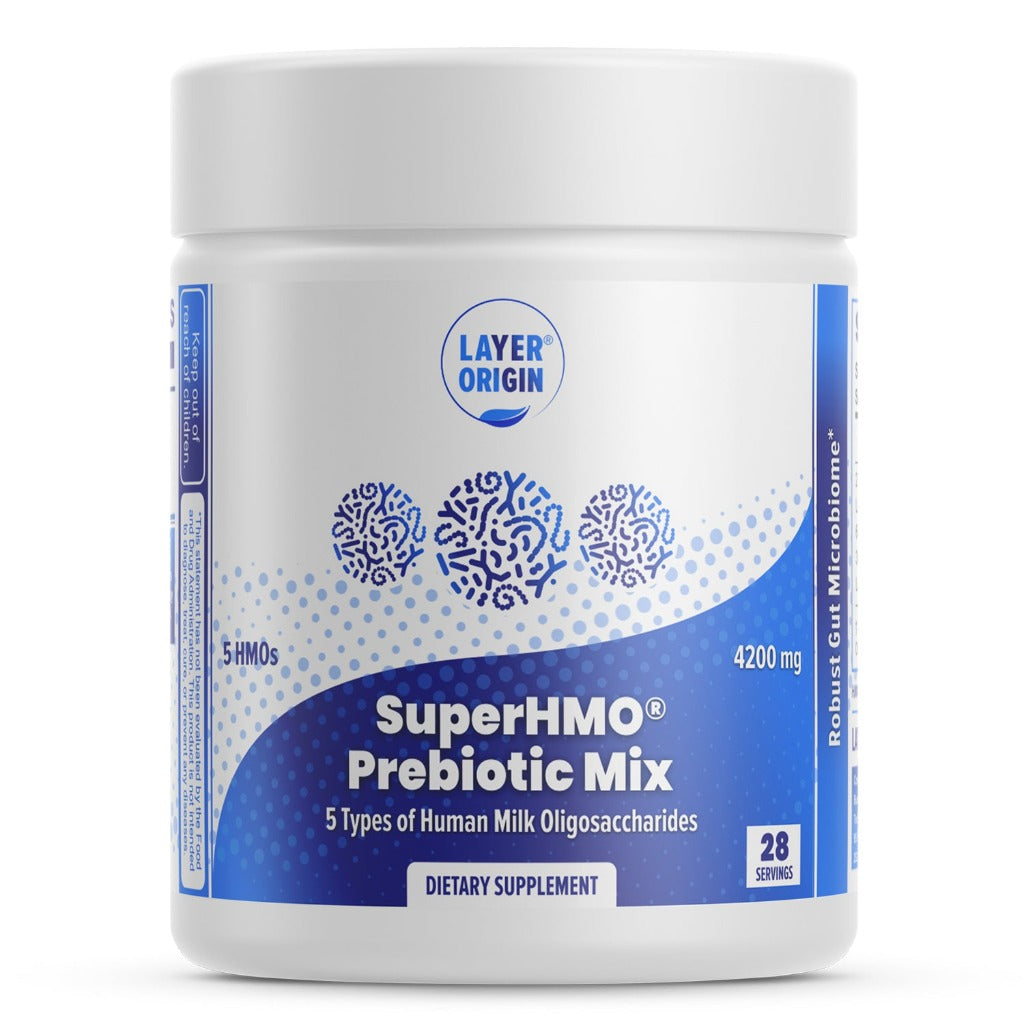
HMOs and red polyphenols offer two different ways to support your colonic ecosystem. Layer Origin’s SuperHMO® provides a targeted prebiotic option combining five potent HMOs (2’FL, LNnT, LNT, 3’SL & 6’SL), while our red polyphenol products supply colourful plant compounds and natural fruit-derived ingredients.
SuperHMO can be used alongside polyphenol-rich foods such as berries, apples, pomegranate, cocoa, or hibiscus tea. While Simple Reds offers another convenient way to add red fruit polyphenols and plant ingredients to your diet.
Research into HMOs beyond infancy is growing, and evidence supports their ability to interact selectively with gut microorganisms. However, the hibiscus-inulin trial did not study HMOs or Layer Origin products. It therefore supports the wider scientific idea of pairing polyphenols with prebiotics for cardiovascular benefits.
Summary: Are polyphenol-prebiotic combinations the future of heart and metabolic health?
Polyphenol-prebiotic combinations are a promising research direction because they target both gut microbes and the plant compounds those microbes transform. One well-designed short trial has produced encouraging changes in exploratory risk markers.
Future studies need larger and more varied groups, longer follow-up, direct microbiome and metabolite testing, and outcomes that matter to patients.
For now, the practical message is simple: eat a wide range of colourful plants and prebiotic foods, while using prebiotic and polyphenol supplements as an addition to a healthy, balanced, and varied diet.
Author details
Written by: Leanne Edermaniger, M.Sc. Leanne is a professional science writer who specializes in human health and enjoys writing about all things related to the gut microbiome. She has written extensively on inflammatory bowel disease, prebiotics, and microbiome research.
Her work focuses on translating complex medical science into evidence-based, practical health guidance.