Discover how gut bacteria, prebiotic foods, and healthy lifestyle habits may support your body’s natural GLP-1 production, appetite regulation, and blood sugar control.
Content outline
-
How can you support your natural GLP-1 production through your gut microbiome?
-
How does natural GLP-1 support compare with prescription treatment?
-
Summary: Build a gut environment that supports natural signaling
Glucagon-like peptide-1 is a hormone your gut releases after eating. It plays a crucial role in managing your appetite by signalling to your brain when you have eaten enough. It also manages your blood glucose levels and slows your digestion to keep you feeling fuller for longer.
Emerging research suggests that looking after your gut microbiome may support the natural GLP-1 response. Here, we discuss how you can boost your GLP-1 levels naturally without weight loss medication, all by targeting the ecosystem residing in your gut.
What is GLP-1?
Glucagon-like peptide-1, or GLP-1 for short, is a hot topic right now, but what is it? Simply, it’s a hormone that’s naturally produced by specialist cells called L-cells in the intestine that rises after you eat [1], especially when you consume carbohydrates, protein, and fat – the main energy sources for the human body.

Your body breaks down GLP-1 rapidly, so its effects are relatively short-lived. Natural GLP-1 has a half-life of just 1 to 2 minutes in the bloodstream because an enzyme called dipeptidyl peptidase-4 (DPP-4) renders it inactive almost immediately after it triggers fullness signals and the release of insulin [2].
Prescription GLP-1 medications, also known as GLP-1 receptor agonists, are designed to produce a much stronger and longer-lasting effect by mimicking the natural actions of the GLP-1 hormone [3].
How does the gut microbiome affect GLP-1?
The gut microbiome can influence GLP-1 through biologically active metabolites, like short-chain fatty acids (SCFAs). Beneficial bacteria ferment specific fibers from the diet into these metabolites that may directly influence GLP-1 production, but these are not the only metabolites that gut bacteria can act on to influence GLP-1, as emerging research is showing.
Short-chain fatty acids
When beneficial bacteria ferment certain fibers, they produce short-chain fatty acids or SCFAs, such as acetate, propionate, and butyrate [4]. SCFAs can activate certain G protein-coupled receptors, primarily FFAR2 and FFAR3, on intestinal L cells, which stimulates the production and release of GLP-1 [5]. They also support the intestinal barrier and regulate inflammation and insulin sensitivity.
Bile acid metabolites
Gut bacteria modify the bile acids your body uses to digest fat. Some of these modified bile acids can interact with receptors involved in glucose metabolism and GLP-1 secretion [6].
Natural microbial lipids
A study published in PNAS in 2026 reported a new way that gut bacteria help to regulate hormones after meals. The researchers found that gut bacteria produced lipids (fats), known as N-acyl serinols, that regulate how our body’s produce and detect hormones like GLP-1 and insulin after eating [7].
The interesting thing about this research is that these microbial lipids could help the human body produce more sustainable GLP-1 levels without the need for popular GLP-1 receptor agonist medications. The researchers also found that changing the microbiome altered the amount of these lipids available. This discovery could eventually help scientists develop targeted probiotics or postbiotics.
Which gut bacteria may support natural GLP-1 production?
Gut bacteria that may support natural GLP-1 production include Akkermansia muciniphila, Bifidobacterium species and other microbes that produce short-chain fatty acids. These bacteria may encourage GLP-1 release by creating metabolites that communicate with hormone-producing cells in the intestine and strengthening the gut lining.
Akkermansia muciniphila
Akkermansia muciniphila lives in the mucus layer lining the colon, and has been linked to better intestinal barrier function and metabolic health. An increased abundance is associated with improved blood sugar control, healthier cholesterol levels, reduced inflammation, and a stronger gut barrier [8].
A study by Arukha, Nayak, and Swain demonstrated that bacterial cell extracts from A. muciniphila can stimulate the secretion of insulin from INS-1 beta cells and induce a dose-dependent is in GLP-1 secretion from intestinal L cells. The highest dose of A. muciniphila cell extracts increased GLP-1 levels by more than 2000% compared to a glutamine control [9]. Akkermansia produced a protein called P9 that stimulates the secretion of GLP-1 and improves glucose regulation.
Preclinical animal studies show that Akkermansia produces a protein called P9, also known as Amuc_1631. Using L cells and mice fed on a high fat diet, the researchers showed that purified P9 can induce GLP-1 secretion and interacts with intracellular adhesion molecule 2 (ICAM-2), which could be used to target metabolic disease [10].
Bifidobacteria
Bifidobacterium species are beneficial bacteria commonly found in the human intestine. They can ferment selected carbohydrates and participate in cross-feeding, where the substances made by one microbe feed another.
This activity can help create SCFAs that interact with GLP-1 pathways. For example, an animal study of one Bifidobacterium strain found that greater SCFA production, particularly acetate, activated a free fatty acid receptors, such as FFAR2 and FFAR3, on intestinal L cells, stimulating the secretion of GLP-1 [11].
A pilot clinical study found that a new synbiotic that contains lychee, Bifidobacterium, methionine, and prebiotics resulted in significant reductions in:
-
body weight
-
fat mass
-
visceral fat
-
HbA1c
-
insulin resistance
-
blood lipids
The synbiotic also resulted in increased GLP-1 secretion in both humans and mice alongside a rise in Akkermansia muciniphila in mice given the synbiotic [12].
Can prebiotics boost beneficial gut microbes?
Yes, prebiotics feed beneficial gut bacteria, including Bifidobacteria, which can also support other beneficial microbes through a process of cross-feeding. This is where microbes share beneficial metabolites, such as SCFAs [13]. By supporting beneficial gut microbes and the metabolites they produce, prebiotics can indirectly influence gut pathways involved in natural GLP-1 secretion.
Good prebiotic sources include:
-
Oats and barley
-
Beans, chickpeas, and lentils
-
Garlic, onions, and leeks
-
Asparagus and artichokes
-
Slightly green bananas
-
Cooked and cooled potatoes or rice
-
Resistant starch
-
Specific prebiotic supplements, such as human milk oligosaccharides (HMOs)
HMOs are complex carbohydrates originally identified in human milk. They resist digestion in the upper intestine and reach the colon, where selected bacteria can use them [14].
Research suggests that 2’-fucosyllactose, commonly shortened to 2’-FL, can support bacteria such as Bifidobacterium. Microbial cross-feeding may also help create an environment favorable to Akkermansia and butyrate-producing bacteria.
How can you support your natural GLP-1 production through your gut microbiome?
There is no single-food or gut health strategy that can automatically increase your GLP-1 levels. However, a varied, consistent diet is more likely to support a healthy microbial community rather than relying on one single ingredient. Here are some of the things you can naturally do to support your gut health and GLP-1 production:
1. Increase fiber gradually
Most adults should aim for a fiber-rich diet containing vegetables, fruit, legumes, whole grains, nuts, and seeds. Increase your intake slowly to reduce gas and bloating, particularly if your usual diet is low in fiber.
2. Eat a variety of plants
Different bacteria prefer different carbohydrates. Eating a wider range of plant foods gives more microbial species something to ferment.
Try rotating:
-
Different-colored fruits and vegetables
-
Beans, lentils, and peas
-
Oats, barley, quinoa, and other whole grains
-
Nuts and seeds
-
Herbs and spices
3. Include resistant starch
Cooking and cooling potatoes, rice, or pasta increases some forms of resistant starch. Green bananas, oats, and legumes are other useful sources. Resistant starch reaches the colon and can support SCFA-producing bacteria.
4. Add protein and healthy fats
Protein and dietary fat can directly stimulate the release of several fullness hormones, including GLP-1. Choose sources such as fish, eggs, tofu, beans, plain yogurt, nuts, seeds, avocado, and olive oil.
5. Exercise regularly
Physical activity supports insulin sensitivity and may influence both GLP-1 signaling and microbial diversity. Combine aerobic exercise, such as brisk walking or cycling, with strength training where possible.
Did you know? No matter whether you choose to medically or naturally support your GLP-1 levels for weight loss, you will need to make changes to your lifestyle, including diet and exercise, to get the results you are looking for. GLP-1 medications do not work on their own and you will need to follow a healthy, reduced-calorie diet and increase the amount of exercise you do to lose weight.
How does natural GLP-1 support compare with prescription treatment?
Natural approaches help your body work through its normal hormone pathways. Prescription GLP-1 receptor agonists activate the same receptor more powerfully and for much longer than the GLP-1 your body releases after eating. Here are some of the key differences between natural microbiome support and prescription GLP-1 treatments:
|
Natural microbiome support |
Prescription GLP-1 treatment |
|
Encourages normal hormone signaling |
Produces stronger, longer receptor activation |
|
Effects vary and may be modest |
Clinically tested for specific medical uses |
|
Supports broader digestive and dietary health |
Requires medical assessment and monitoring |
|
Works best as a long-term lifestyle strategy |
Should only be used as directed by a clinician |
Summary: Build a gut environment that supports natural signaling
The gut microbiome gives us an exciting new way to understand GLP-1. Beneficial bacteria may influence this hormone through SCFAs, bile acids, proteins, and newly discovered microbial lipids.
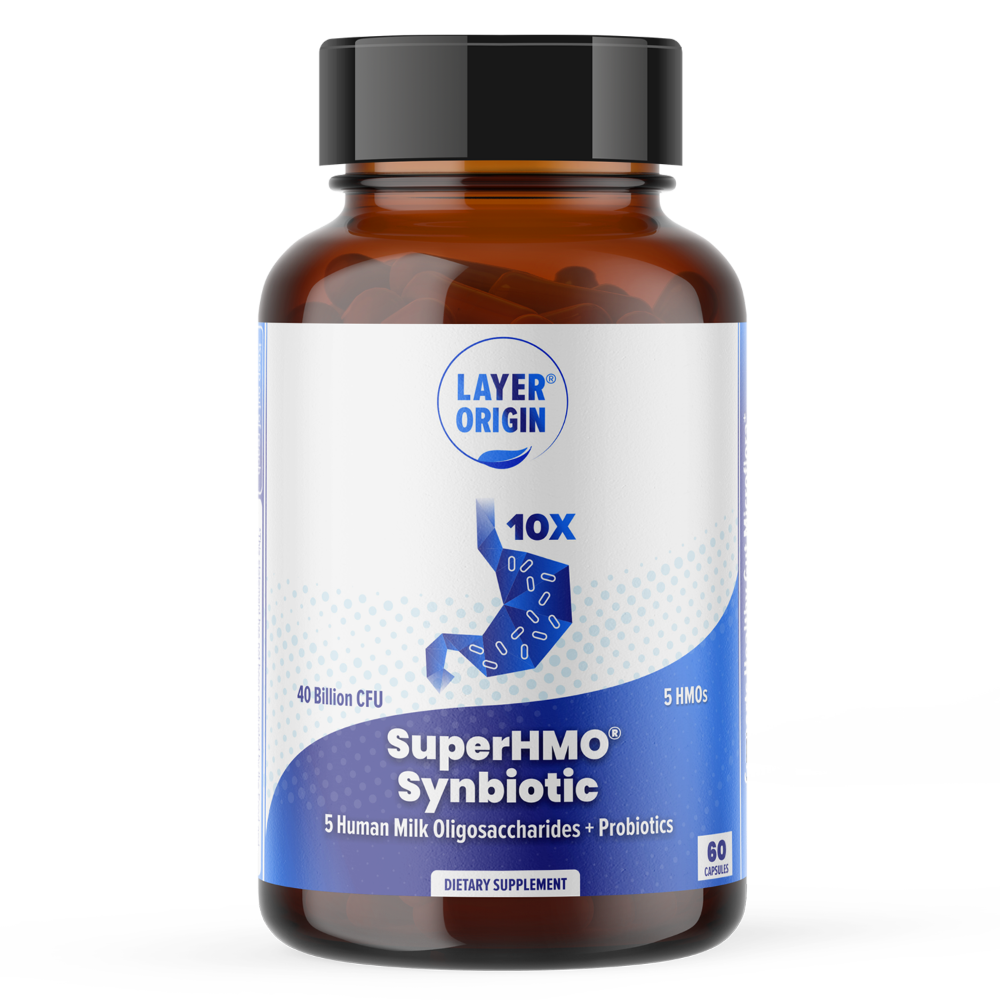
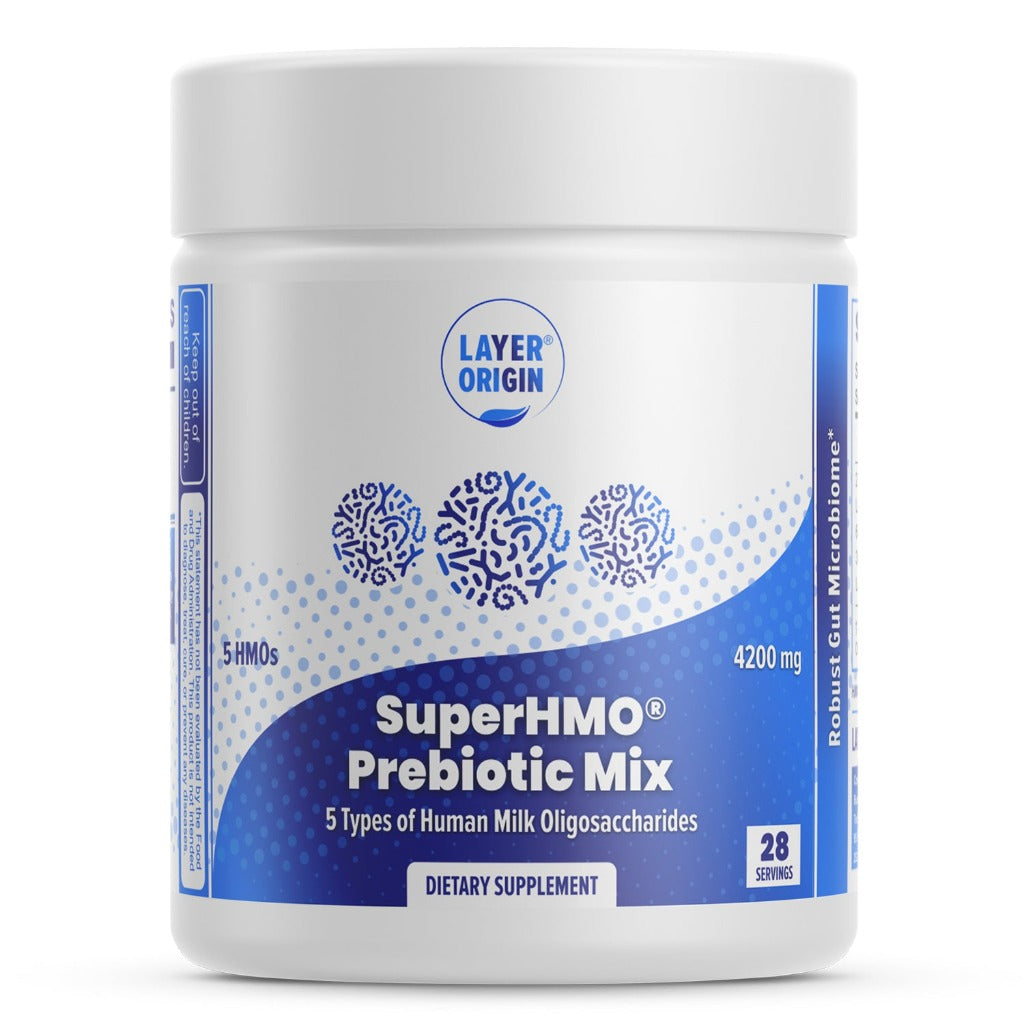
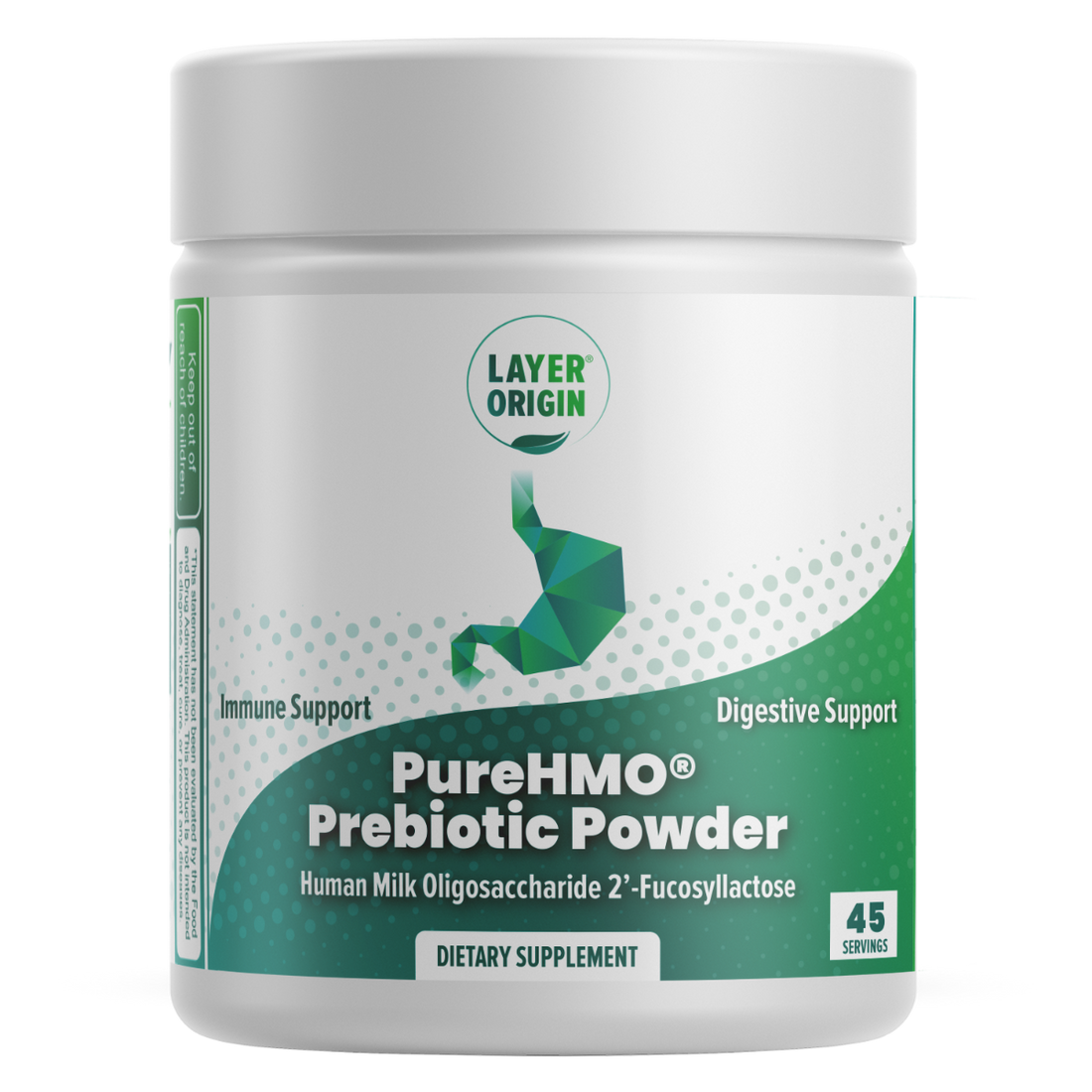
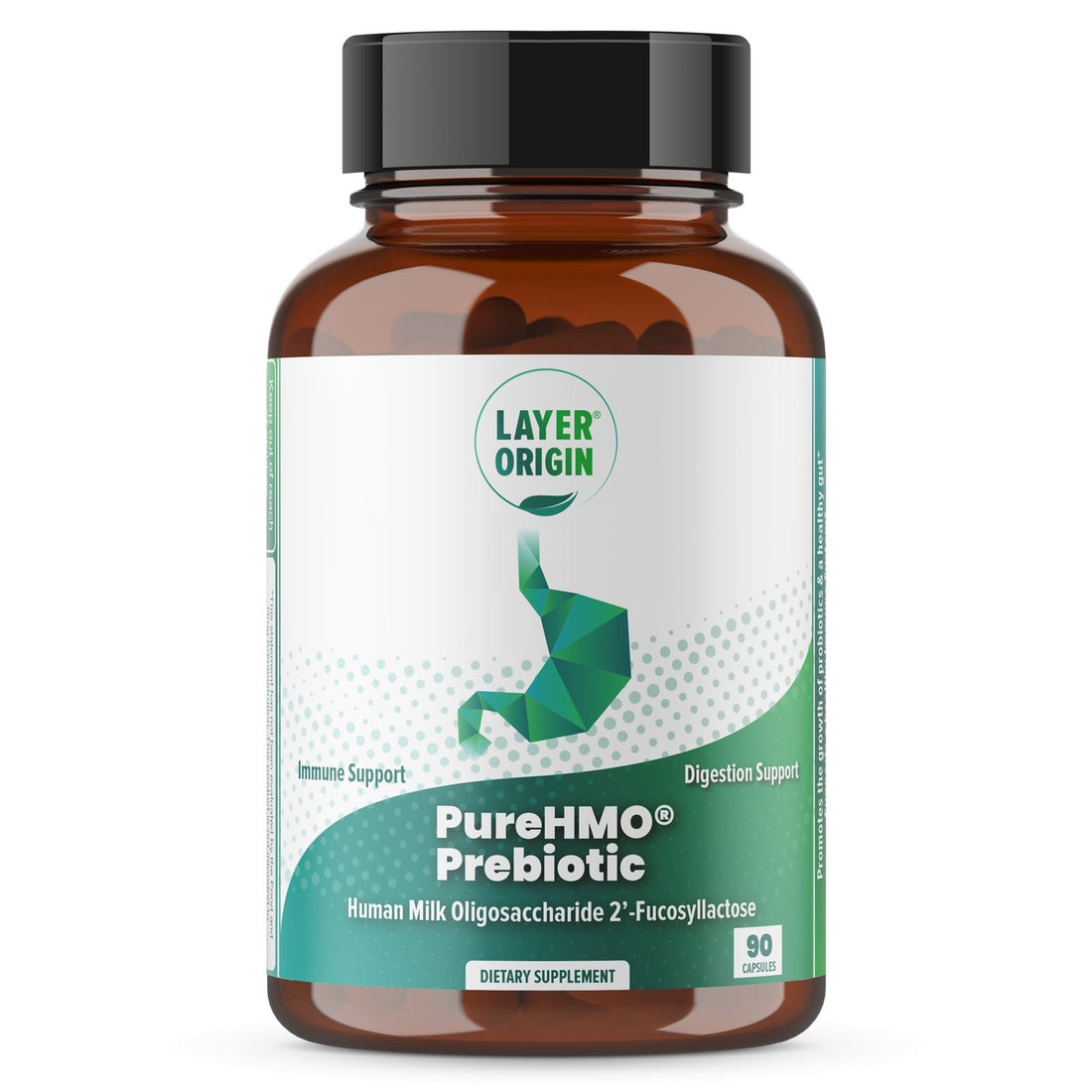
You can start by eating more varied plant foods, increasing fiber gradually, and staying active. For additional microbiome support, explore Layer Origin’s PureHMO® and SuperHMO® prebiotics, formulated to nourish beneficial gut bacteria, or our live and pasteurized Akkermansia muciniphila supplement.Author details
Written by: Leanne Edermaniger, M.Sc. Leanne is a professional science writer who specializes in human health and enjoys writing about all things related to the gut microbiome. She has written extensively on inflammatory bowel disease, prebiotics, and microbiome research.
Her work focuses on translating complex medical science into evidence-based, practical health guidance.