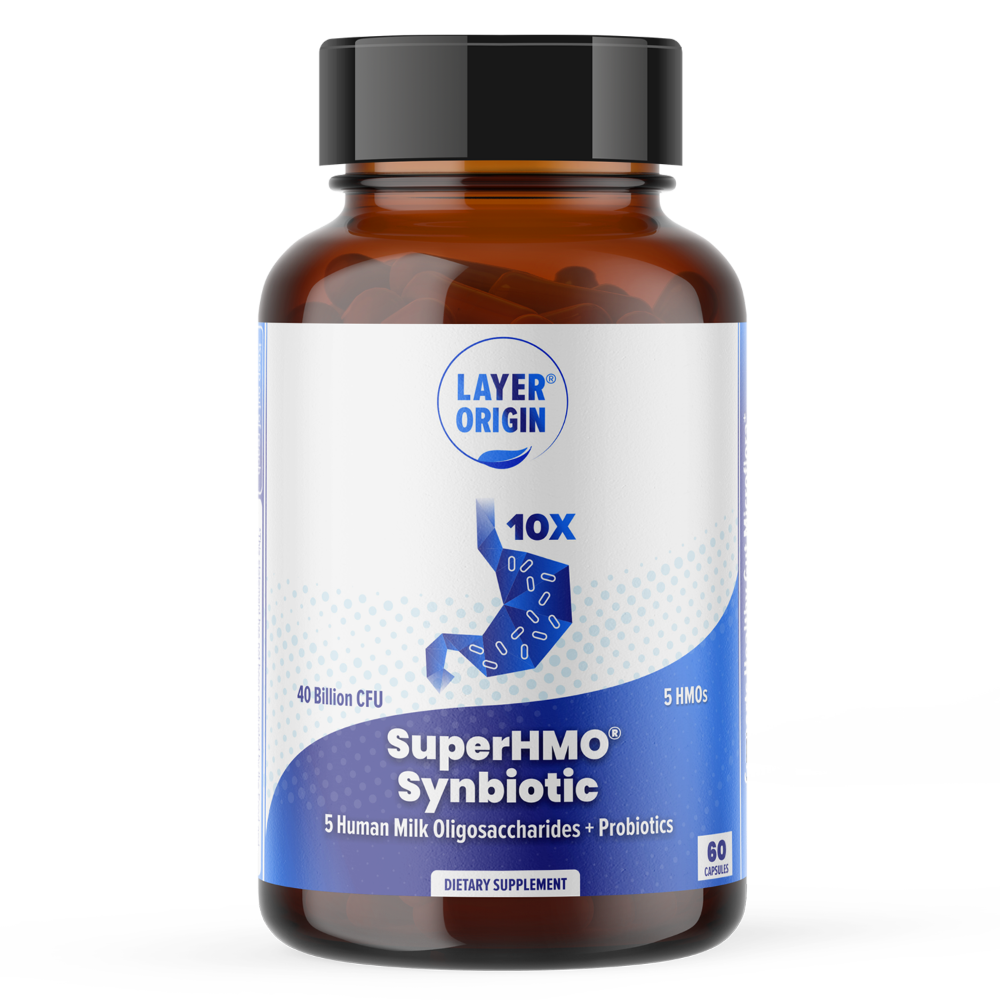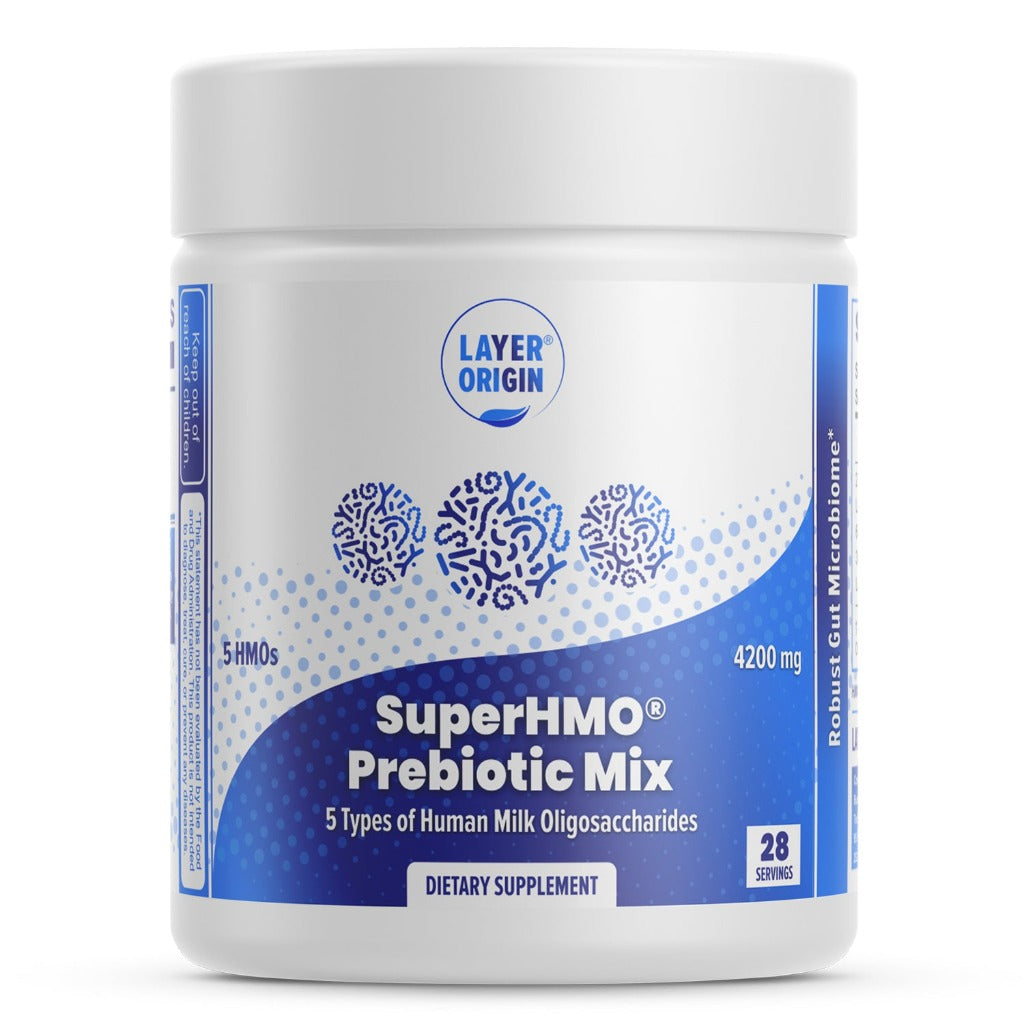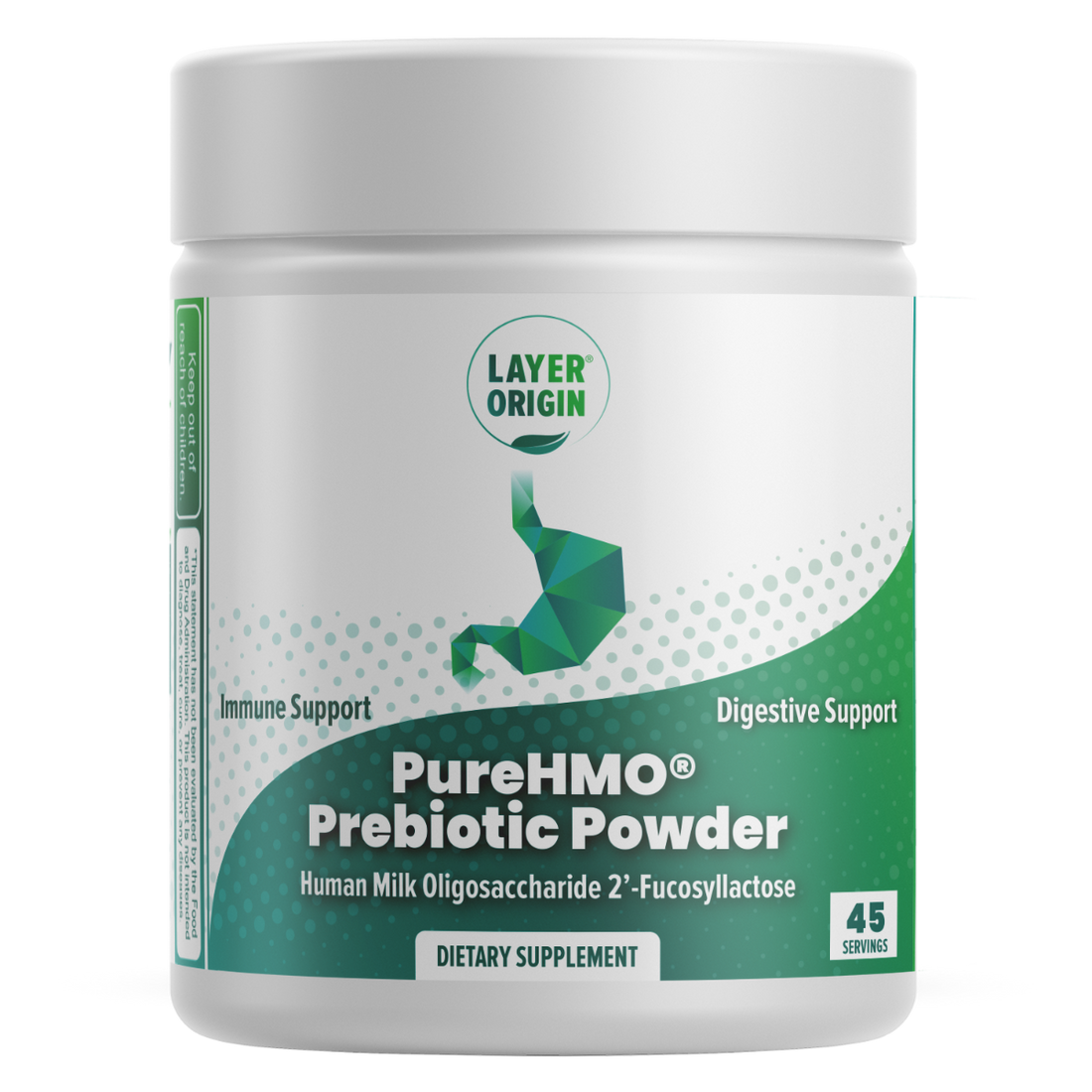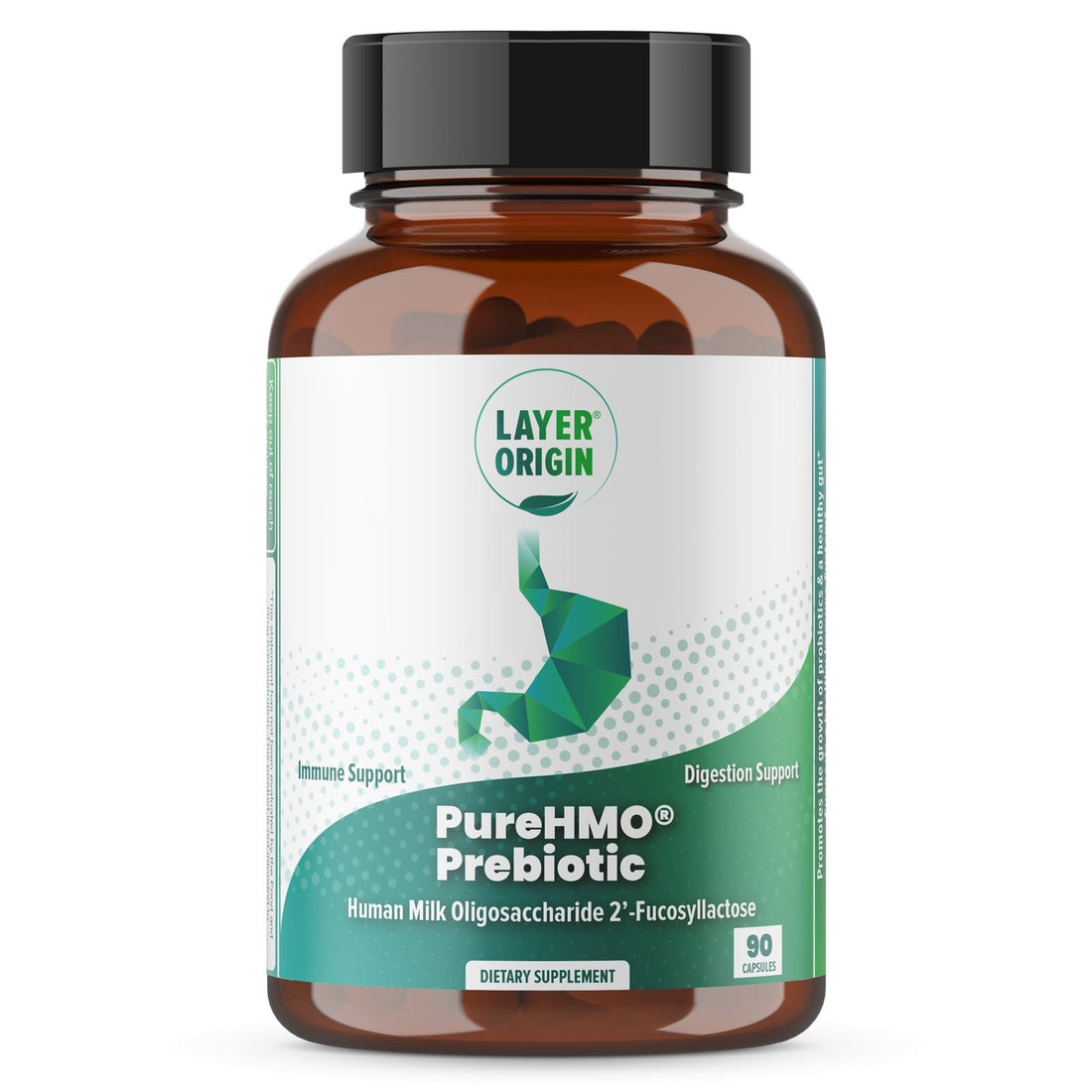
Colostrum is gaining popularity in the wellness world—and for good reason. Produced by humans, cows, and other mammals, colostrum is a milk-like breast fluid that’s packed with nutrients. While this nutritious substance is biologically necessary for newborns, new research is emerging about the benefits of taking colostrum as an adult.
Content outline
- What exactly is colostrum?
- What are the health benefits of colostrum?
- One of the most valuable components in human colostrum: Human Milk Oligosaccharides (HMO) and how to get the Pure HMO?
- Combining these two powerhouse supplements
- The bottom line
- Frequently asked questions about colostrum
What exactly is colostrum?
Colostrum is a nutrient-rich fluid produced by female mammals immediately after giving birth. Despite being referred to as “first milk,” colostrum is not milk but rather a milk-like liquid that's released before breast milk production begins.
While colostrum is rich in vitamins, minerals, fats, and carbohydrates, most of its health benefits stem from specific compounds, including:
-
Lactoferrin: a protein involved in the body’s immune response to infections, including those caused by bacteria and viruses.
-
Growth factors: hormones that stimulate growth. Bovine colostrum is exceptionally high in IGF-1 and IGF-2.
-
Antibodies: proteins used by the body’s immune system to fight bacteria and viruses. Bovine colostrum is rich in the antibodies IgA and IgG.
-
Milk Oligosaccharides: These are short-chain indigestible sugars that play a crucial role in the development of the infant gut microbiome. While various types of milk, including cow's milk, contain some oligosaccharides, human milk is uniquely rich in these compounds, with over 200 different types identified.
While colostrum is crucial for the growth and health of babies, it can also be consumed during other phases of life, often as a bovine-derived supplement to support health.

What are the health benefits of colostrum?
Research suggests that bovine colostrum may offer humans many health benefits when taken as a supplement.
Boosts immunity
Bovine colostrum is one of the best supplements that can be taken by adults and children that are no longer nursing to support their immune health. This is because bovine colostrum has a high concentration of IgA and IgG antibodies, which fight foreign invaders like viruses and bacteria.
Many studies have linked bovine colostrum supplements with enhanced immune function, especially in athletes. For example, one 12-week study in 35 adult distance runners found that taking a daily bovine colostrum supplement increased the amount of saliva IgA antibodies by a whopping 79 percent, compared to baseline levels. The researchers suggested that the higher levels of IgA in the saliva may strengthen immunity and enhance the body’s ability to fight upper respiratory infections.
Supports a healthy gut
Both human and animal studies have shown that bovine colostrum may stimulate the growth of intestinal cells and prevent intestinal permeability. These benefits are attributed to lactoferrin, an immune-boosting protein in colostrum that acts as a prebiotic and stimulates the growth of good bacteria in the gut.
Reduces inflammation
In addition to its gut-healing properties, lactoferrin is a powerful inflammation moderator by lowering pro-inflammatory cytokine IL-6. In fact, doctors test lactoferrin levels in patients’ stool to help diagnose C.diff, inflammatory bowel disease, and irritable bowel syndrome.
Promotes ligament and muscle healing
Bovine colostrum is highly effective in promoting muscle growth and healing due to the high amount of antioxidants and growth factors. In addition, studies demonstrate that supplementing with bovine colostrum can reduce oxidative stress and overall damage to muscles after exercise. This makes it an ideal supplement for athletes to include in their routine.
Supports brain health
When you consider how quickly an infant’s brain develops, it should come as no surprise that colostrum provides powerful brain support. In addition, studies have shown that supplementing with the colostrum-derived proline-rich polypeptide, also known as Colostrinin (CLN), has a stabilizing effect on cognitive function in Alzheimer's disease patients. While more research needs to be done, these initial findings are very promising.
One of the most valuable components in human colostrum: Human Milk Oligosaccharides (HMO) and how to get the Pure HMO?
Colostrum is pre-milk, whereas HMOs are a component of colostrum and natural breast milk. In fact, HMOs are the most abundant solid ingredient in breast milk after lipids (fat) and lactose (carbohydrates).
HMOs have no nutritional value. Instead, they are indigestible sugars that act as prebiotics in the gut. As a result, they contribute to the development of infants’ microflora and immune systems. Thus, HMOs may at least partially explain why breastfed babies tend to have more robust immune systems than those who are bottle-fed. Studies show that supplementing with HMOs may help support gut health, immune function, and cognition in adults.
Combining these two powerhouse supplements
At this point, you may be wondering which supplement to choose: bovine colostrum or HMO prebiotics? Unlike human colostrum, bovine colostrum doesn’t contain oligosaccharide prebiotics. The addition of HMOs to bovine colostrum provides the missing oligosaccharide prebiotics, creating a closer formulation to human colostrum.
The bottom line
Mother’s milk isn’t just for babies anymore. Now, you can reap the incredible health benefits of colostrum and HMOs by taking a high-quality supplement. Colostrum is rich in disease-fighting compounds and may play an essential role in improving immunity, gut health, inflammation, and muscle healing. At the same time, HMO prebiotics have been shown to support immune health, gut health, and cognitive development. Together, these two substances provide a synergistic effect that supports your health and wellness at any age.
Frequently asked questions about colostrum
1. What is colostrum?
Colostrum is the first milk produced by mammals in the first 24–72 hours after birth. It’s rich in immunoglobulins (especially IgG), lactoferrin, growth factors, and antimicrobial compounds that support immune and gut health.
Unlike regular milk, colostrum is more concentrated in bioactive nutrients rather than calories.
2. Is colostrum good for gut health?
Yes. Colostrum contains growth factors and immune compounds that help support the intestinal lining and gut-associated immune tissue (GALT). It’s sometimes used as part of a gut health protocol to maintain barrier integrity and microbial balance.
3. Does colostrum support immunity?
Yes. Colostrum is rich in immunoglobulin G (IgG) and lactoferrin, which help support the body’s natural immune defences. This is why many people use colostrum during periods of stress, travel, or seasonal immune challenges.
4. Does colostrum contain lactose?
Yes, colostrum contains small amounts of lactose, typically less than regular milk. Many people with mild lactose sensitivity tolerate it well, but those with dairy allergies should avoid it.
5. Can you take colostrum with HMOs (human milk oligosaccharides)?
Yes. Colostrum and HMOs (human milk oligosaccharides) can be taken together and may offer complementary benefits for gut and immune health. Colostrum provides immunoglobulins, lactoferrin, and growth factors that support the gut lining and immune defences. HMOs act as targeted prebiotics that selectively feed beneficial gut bacteria such as Bifidobacteria.
Together, they support both the gut barrier and the gut microbiome, two key pillars of digestive and immune health.
Author details
Written by: Layer Origin
Reviewed by: Leanne Edermaniger, M.Sc. Leanne is a professional science writer who specializes in human health and enjoys writing about all things related to the gut microbiome. She has written extensively on inflammatory bowel disease, prebiotics, and microbiome research.
Her work focuses on translating complex medical science into evidence-based, practical health guidance.
Last updated: February 2026