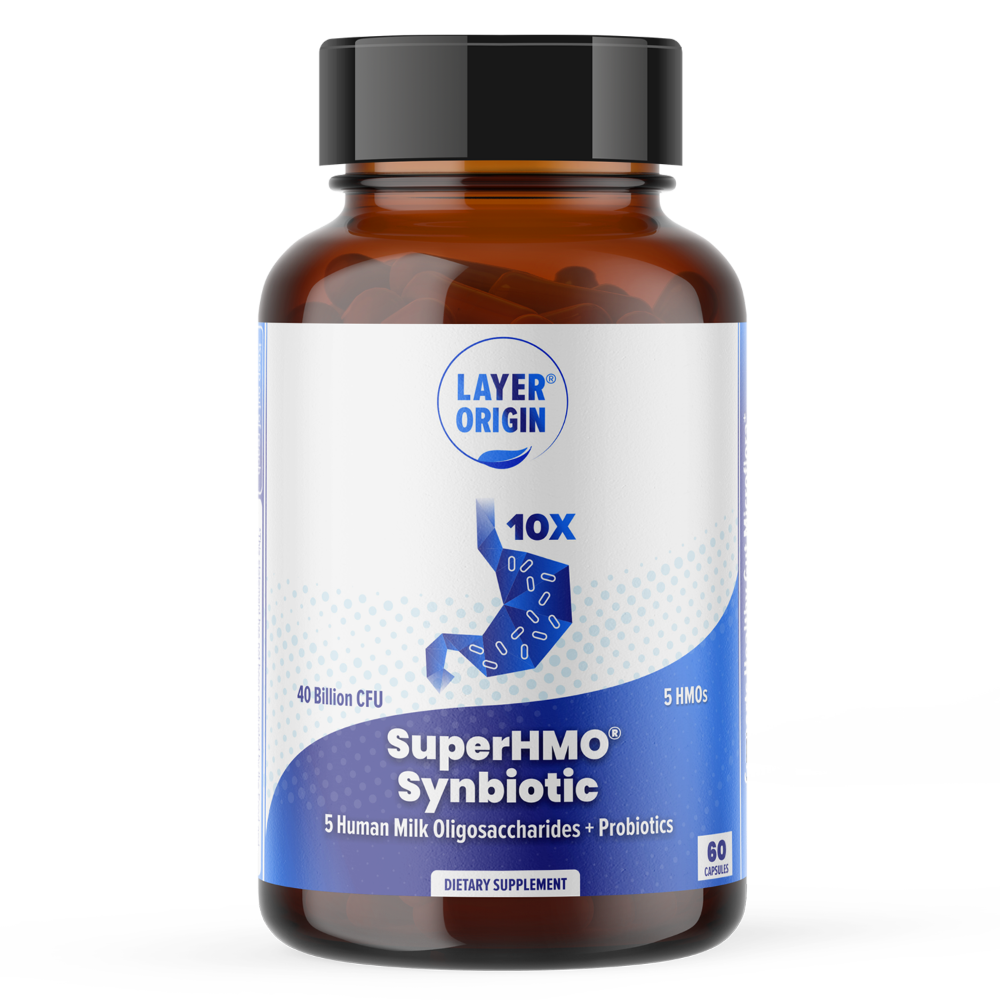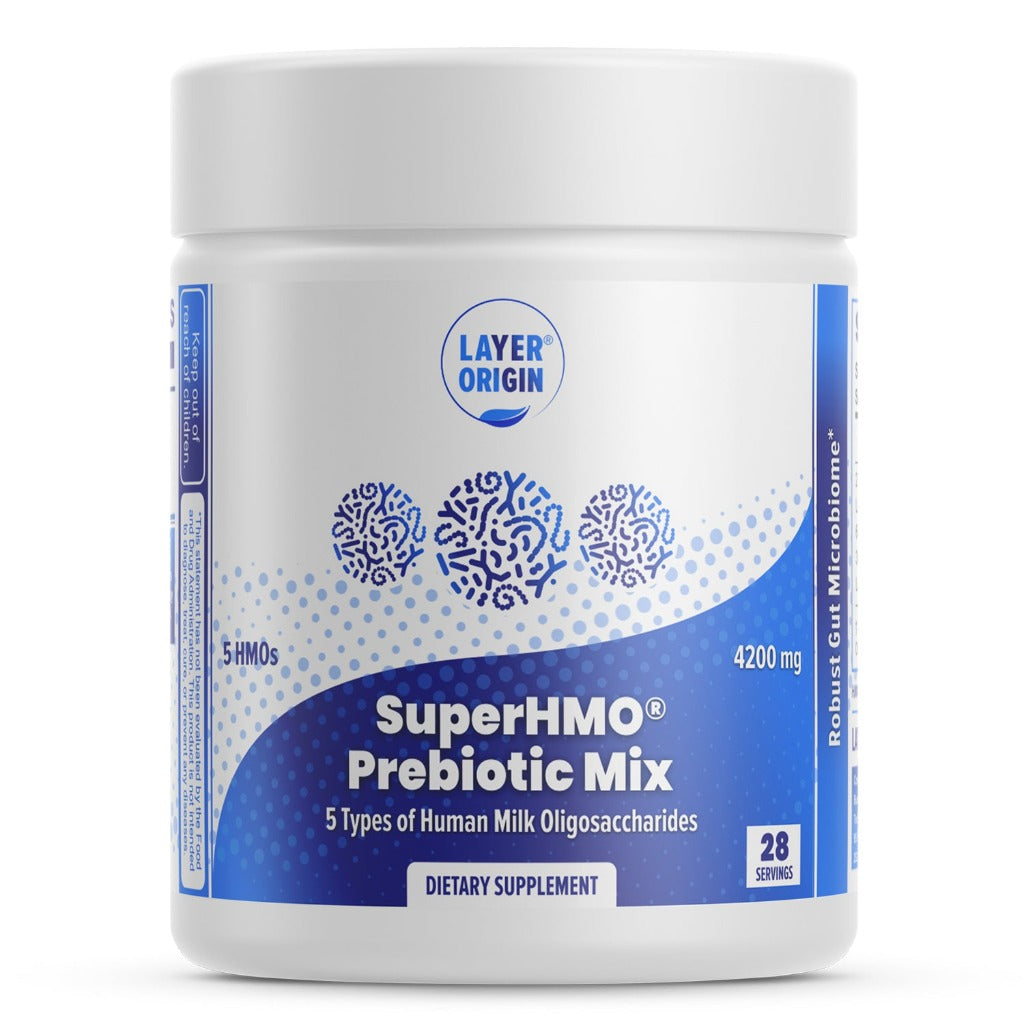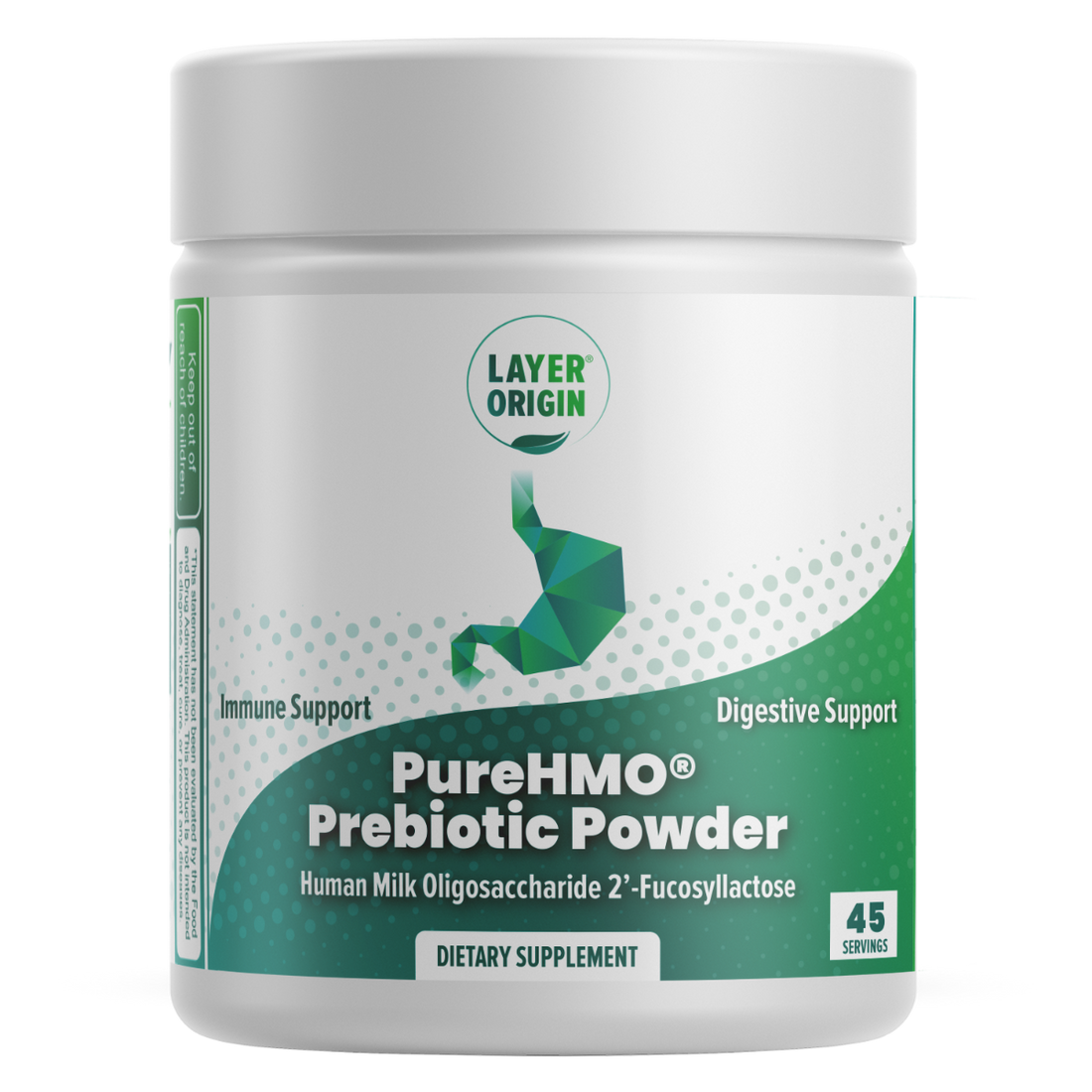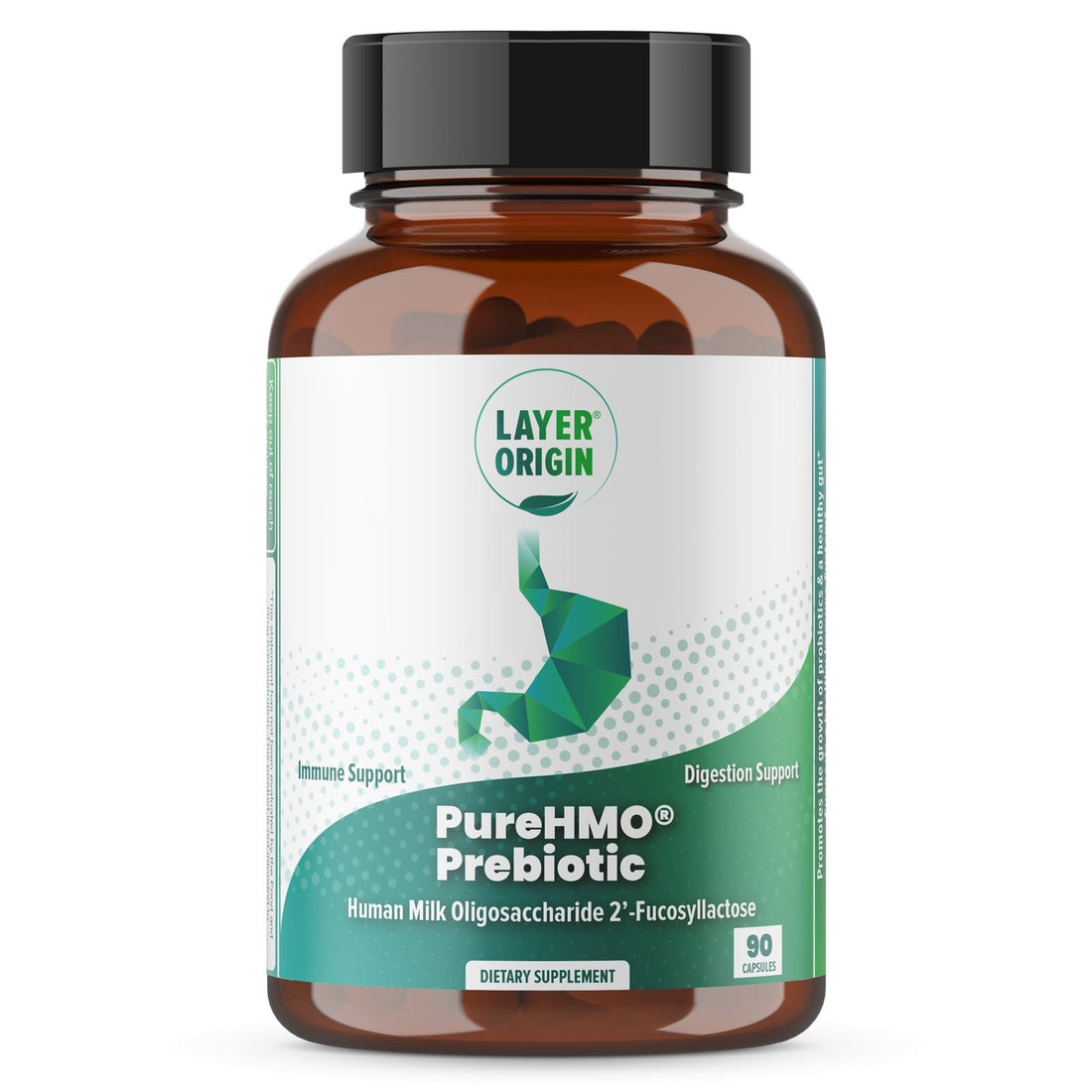
We’re excited to announce our patent publication for our innovative anti-aging formula, comprising human milk oligosaccharides (HMOs), ellagic acid, and probiotics to enhance your body’s natural urolithin A production – a compound known to reverse age-related decline.
Content Outline
Introduction
Aging is a complex biological process that’s influenced by several factors, including genetics, lifestyle, and environmental factors. More recently, scientists have discovered another major contributor: the gut microbiome. This complex ecosystem is made up of trillions of microbes that live in the human digestive tract, fermenting fiber and producing metabolites that influence everything from immunity to inflammation [1].
The gut microbiome isn’t just an important supporter of your immune system or the chief fermenter of dietary fiber, scientists have also discovered that it has vital roles in cellular energy production and mitochondrial health [2], both of which are strongly associated with aging. One compound that has gained growing interest is urolithin A, a metabolite produced by gut microbes when they break down certain plant products called polyphenols. Early research suggests that urolithin A could support healthy mitochondrial function and cellular renewal pathways that are linked to better aging [3].
Yet, there’s a slight catch. Not everyone produces urolithin A efficiently, and its production depends heavily on the composition of your gut microbiome. This has led researchers to explore new nutritional strategies to help support the gut’s natural production processes. And one emerging approach is a synbiotic formulation combining HMOs, ellagic acid (a powerful polyphenol), and health-promoting bacteria (probiotics) that are proven to support the production of urolithin A and, at the same time, a healthy gut environment.
What is Urolithin A?
Urolithin A is a natural bioactive compound that is produced by gut bacteria when they break down (ferment) polyphenol-rich foods, such as:
-
pomegranate
-
raspberries
-
strawberries
-
walnuts
It is an example of a postbiotic because it is a byproduct of probiotic activity, so it is not a probiotic or prebiotic itself [4]. When you eat certain foods that contain ellagitannins (EGT) or ellagic acid (EGA), such as pomegranates and walnuts, which are natural precursors to urolithin A, they travel to the gut. Here, certain microbes, such as Enterocloster and Gordonibacter species, metabolize EGT or EGA into urolithins [5].
Urolithin A is the most studied of these compounds and has been shown to influence several important pathways associated with:
-
mitochondrial function
-
cellular recycling processes
-
metabolic health
One of the benefits of urolithin A that is gathering traction is its involvement in mitophagy – the selective, autophagic removal of damaged mitochondria [6]. Mitochondria are referred to as the powerhouses of our cells because they generate the energy needed to fulfil cellular activity.
However, with age, mitochondria become less efficient, which can lead to reduced cellular energy and increased oxidative stress – key hallmarks of aging. So, mitophagy helps to remove the old or dysfunctional mitochondria and replace them with healthier ones, a move that researchers believe supports healthy aging [7].
Studies suggest that urolithin A may help to activate this process, improving mitochondrial efficiency, supporting energy metabolism, and helping to slow aging [8].
Does Everyone Produce Urolithin A?
The simple answer is no. Although ellagic acid is naturally present in many plant foods, not everyone can convert it into urolithin A due to variations in gut microbiome composition.

Certain bacterial species are responsible for converting ellagic acid into urolithins. Among the most important metabolizers are those that belong to the Gordonibacter genus. However, some research suggests that up to 60% of the US population may not be able to produce urolithins and only 12% had detectable urolithin A levels [9].
The discovery of these urolithin metabotypes has led researchers to explore ways to support the growth of urolithin-metabolizing microbes, rather than just relying solely on dietary polyphenols.
A Synbiotic Approach to Healthy Aging
At Layer Origin, we’re always looking at innovative ways to support the health of your gut microbiome. That’s why we’ve developed our anti-aging synbiotic that not only supports beneficial gut bacteria but also increases the abundance of urolithin A producers.
Combining the potent benefits of HMOs, ellagic acid, and probiotics, this anti-aging supplement creates an intestinal environment that encourages the growth of beneficial microbes involved in polyphenol metabolism and urolithin production.

How Does Our Anti-Aging Formulation Work?
Our formulation works in three main ways to promote the growth of urolithin A and support a diverse and healthy gut microbiome. It is a daily supplement that consists of:
-
2’-fucosyllactose (2'FL) – The most abundant HMO in human breast milk [10] with potent bifidogenic properties, which supports the developing infant microbiome and immune health. It’s well tolerated, up to 20g per day in adults, and is known to support the growth of urolithin A producers.
-
Additional HMOs – These include lacto-N-tetraose (LNT), lacto-N-neotetraose (LNnT), and sialylated HMOs, such as 3’-sialyllactose (3’-SL), and 6’-sialyllactose (6’-SL). These HMOs further support the prebiotic effect of 2'FL and contribute to a diverse microbiome, similar to our SuperHMO® Prebiotic Mix.
-
Ellagic acid – Sources from pomegranate extract, ellagic acid is a natural precursor to urolithin A, which is produced by certain gut bacteria [11].
-
Probiotics – Within the powerful anti-aging mix is a combination of 2’FL and Bifidobacteria and Lactobacillus strains to help seed and diversify the gut microbiome, ensuring it is an abundant and diverse ecosystem.
1. Supporting Urolithin A production
The combination of 2'FL and ellagic acid promotes the growth of urolithin A-producing bacteria species in the gut, including Gordonibacter species and Enterocloster citroniae. The table below shows the levels of these bacteria before supplementation and then after 23 days of taking 2’-fucosyllactose:
|
Before 2’FL |
After 2’FL |
|
|
Gordonibacter species |
Undetectable |
0.0019% |
|
Enterocloster citroniae |
Undetectable |
0.0039% |
Table 1. Changes in the abundance of specific urolithin A producers before and after a 23-day supplementation of 2’FL.
Although these percentages may seem small, even modest increases in key microbial populations can influence metabolic pathways within the gut microbiome. Together, these microbes work in a synergistic and methodical process to break down ellagic acid into urolithin A. For example:

-
Gordonibacter species break down ellagic acid to produce intermediate urolithins, such as urolithin-M6 or urolithin-C.
-
Enterocloster species, like Enterocloster citroniae, have certain enzymes which dehydroxylate the urolithin intermediates produced by Gordonibacter into urolithin A [12].
2. Increasing Gut Microbiome Diversity
Microbial diversity is widely recognised as a hallmark of a healthy gut ecosystem. The more diverse the gut is, the more resilient and better able it is to produce beneficial metabolites, like short-chain fatty acids (SCFAs) and urolithin A.

HMOs are some of the most structurally complex prebiotics available and are known to shape the developing infant microbiome and immune system [13]. In adults, HMOs support beneficial bacteria, especially Bifidobacteria, which are critical for maintaining gut barrier integrity and producing health-promoting metabolites [14].
While probiotic strains of Bifidobacteria and Lactobacilli can provide additional benefits, such as:
-
supporting beneficial microbial populations
-
producing short-chain fatty acids
-
helping maintain gut barrier function
-
supporting immune balance
Together, these effects may help foster a more diverse and metabolically active gut microbiome.
3. Supporting Mitochondrial Health
The final way that our anti-aging formulation works is by enhancing mitochondrial function. Mitochondria are responsible for generating most of the energy used by cells. As we age, our mitochondrial efficiency declines, contributing to fatigue, metabolic changes, and cellular stress. It’s a key sign of aging.
Urolithin A has been shown by many studies to activate mitophagy, the process by which damaged mitochondria are recycled and replaced. This can help:
-
improve mitochondrial efficiency
-
support muscle function
-
enhance cellular energy metabolism
Animal and early human studies have shown that urolithin A may influence mitochondrial gene expression and metabolic pathways linked to energy production. More recent research has demonstrated that urolithin A can reverse signs of age-related immune decline [15]. Animal studies have shown that long-term supplementation of urolithin A can reduce oxidative stress, vascular remodelling, and high blood pressure [16].
By supporting the microbiome’s ability to produce urolithin A, synbiotic formulations may provide an indirect way to influence these important cellular processes.
Summary
The synbiotic formulation described in this article is the subject of a patent application, reflecting the growing interest in microbiome-targeted nutritional strategies for healthy aging.
The formulation combines specific human milk oligosaccharides (2′-fucosyllactose, lacto-N-tetraose, lacto-N-neotetraose, 3′-sialyllactose and 6′-sialyllactose), ellagic acid and probiotic bacteria such as Bifidobacteria and Lactobacilli in order to support microbial pathways associated with urolithin A production and mitochondrial health.
Preliminary experimental findings indicate that 2′-fucosyllactose may influence the abundance of bacterial species involved in polyphenol metabolism, including Gordonibacter species and Enterocloster citroniae, suggesting a potential mechanism for enhancing urolithin A production within the gut microbiome.
While further research will help clarify the clinical implications of this approach, the formulation represents a novel strategy for harnessing the metabolic potential of the gut microbiome to support healthy aging.
Did you love this article? Get stories just like this, as well as exclusive discounts and news delivered directly to your inbox by signing up for our weekly newsletter.
Author details
Written by: Leanne Edermaniger, M.Sc. Leanne is a professional science writer who specializes in human health and enjoys writing about all things related to the gut microbiome. She has written extensively on inflammatory bowel disease, prebiotics, and microbiome research.
Her work focuses on translating complex medical science into evidence-based, practical health guidance.