Think your Bifidobacteria populations might be low? Keep reading to discover the 7 signs that could suggest you’re right.
Content outline
Your gut is home to trillions of tiny organisms that influence everything from digestion to immune function. Among the most important are Bifidobacteria, a group of beneficial bacteria that are one of the first microbes to colonize the human gut and remain important throughout life [1].
Bifidobacteria play several important roles, including breaking down dietary fibers, supporting the gut barrier, producing beneficial compounds such as short-chain fatty acids (SCFAs), and maintaining a healthy, happy microbiome. However, factors such as poor diet, aging, stress, and antibiotics can quickly diminish their numbers.
While low Bifidobacteria is not a medical condition and there is no single symptom that defines a deficiency, there are certain telltale signs that can suggest your gut microbiome needs extra support.
What are Bifidobacteria?
Bifidobacteria are a genus of beneficial bacteria naturally found in the human digestive tract. They are especially abundant in healthy infants as they are amongst the first microbes to colonize the human gut, but they continue to play important roles in the adult microbiome.
Bifidobacteria help:
✅ Break down dietary fibers and prebiotics [2]
✅ Produce beneficial SCFAs [3]
✅ Support gut barrier integrity
✅ Interact with the immune system
✅ Maintain a balanced gut microbiome
When levels decline, these important functions can be affected, contributing to digestive and other health issues.
7 possible signs that you have low Bifidobacteria levels
Low Bifidobacteria levels are often the result of a low-fiber diet or antibiotic use. Key signs can include persistent bloating, gas, irregular bowel movements, unexplained fatigue, and low immunity. Because Bifidobacteria are integral to both digestive and wider health, low levels can impact several body systems.
Here are the 7 most common signs that you have low Bifidobacteria levels.
1. Digestive discomfort and bloating
One of the most common signs of an imbalanced gut microbiome is bloating. Bifidobacteria help ferment certain carbohydrates and fibers in the gut [4]. When Bifido levels are lower than normal, this process may become less efficient, potentially leading to increased gas production and digestive discomfort.
If you regularly feel bloated after meals or experience excessive gas, it could be a sign that your microbiome is not functioning optimally or that you have a high abundance of gas-producing microbes in your colon.
Did you know? Studies have found that some people with digestive disorders, including irritable bowel syndrome (IBS), often have lower levels of certain Bifidobacterium species compared to healthy individuals [5].
2. Irregular bowel movements
Bifidobacteria contribute to healthy digestion by breaking down dietary fibers and supporting normal bowel function.
Low Bifidobacteria levels are linked to:
-
less frequent bowel movements
-
changes in stool consistency
-
difficulty maintaining digestive regularity
Although bowel habits are influenced by many factors, including hydration and fiber intake, an imbalance in beneficial gut bacteria can also play a role. A 2023 study found that a particular Bifidobacterium strain improved bowel movements in healthy individuals prone to constipation, increasing stool volume and consistency and reducing straining and pain when going to the toilet [6].
▶ Regularly constipated? Try our Constipiotic™ Prebiotic Fiber.
3. Increased gut sensitivity
Have you ever noticed that certain foods suddenly seem to upset your stomach? The gut microbiome interacts closely with the digestive and nervous systems through a bidirectional communication pathway called the gut-brain axis. When beneficial microbes, like Bifidobacteria, are in low abundance, some people experience increased digestive sensitivity.
Symptoms can include:
-
Digestive discomfort after eating
-
Increases awareness of digestive sensations
-
Greater sensitivity to certain foods
-
Increased likelihood of leaving foods out of your diet
These symptoms can be caused by other factors, but if you eat a diet that is low in fiber, or regularly take antibiotics, there is a strong possibility that the cause is linked to an imbalanced gut microbiome.
4. Frequent digestive upsets after antibiotics
Antibiotics can be life-saving when they are used appropriately, but taking them too often or unnecessarily can harm your gut. That’s because they do not discriminate between pathogenic and beneficial bacteria. For this reason, research has shown that antibiotic use can significantly alter the gut microbiome, reducing populations of good gut bacteria, including Bifidobacteria [7].
After taking antibiotics, some people can experience the following symptoms because of the reduced diversity within the microbiome:
-
Temporary digestive discomfort
-
Changes in bowel habits
-
Increased bloating
-
A feeling that digestion is "off"
While the microbiome can recover over time, rebuilding beneficial bacterial populations may take weeks or even months.
5. Low production of short chain fatty acids
Short-chain fatty acids (SCFAs) are beneficial compounds which are produced when your gut bacteria break down certain types of fiber. Although you cannot directly feel your SCFA levels, they have important roles in your gut and wider health, so you may experience other symptoms, like:
-
Bloating
-
Irregular bowel movements
-
Increased food sensitivities
-
Brain fog
-
Generally feeling fatigued
Bifidobacteria are important SCFA producers both directly and indirectly. They can cross-feed other important species, such as Faecalibacterium prausnitzii, to produce compounds like butyrate. When Bifidobacterium levels are low, SCFA production can slow, potentially reducing some of the protective benefits these compounds provide.
6. Low energy
While low energy can have many causes, emerging research suggests that the gut microbiome may play a role in how we feel both physically and mentally [8].
Bifidobacteria help break down dietary fibres and produce beneficial compounds, including short-chain fatty acids (SCFAs), which support gut health and communication along the gut-brain axis. Some studies have found that people experiencing fatigue-related conditions often show alterations in their gut microbiome, including lower levels of beneficial bacteria such as Bifidobacteria [9].
As a result, some people with lower levels of Bifidobacteria may experience:
-
Feeling more tired than usual
-
Reduced motivation or mental energy
-
A greater sense of fatigue during the day
Researchers are still exploring exactly how these microbes influence energy levels, but proposed mechanisms include effects on nutrient metabolism, inflammation, and the production of signalling molecules that communicate between the gut and brain.
7. Changes in immune function
Did you know that 70 to 80% of the body’s immune cells are found in the gut [10]? Bifidobacteria communicate with immune cells and help shape immune responses throughout life. Researchers continue to investigate the complex relationship between the microbiome and immune health.
While low Bifidobacteria levels won't directly cause illness, reduced levels may influence how the immune system interacts with the gut environment.
This is one reason why maintaining a diverse and balanced microbiome is considered important for overall wellbeing.
How to naturally increase Bifidobacterium levels
If you suspect that your Bifidobacteria community could benefit from a boost, there are several things you can do to help encourage the growth of these beneficial microbes. From increasing your intake of fiber and prebiotics to adding specialised supplements, like human milk oligosaccharides (HMOs), to your daily routine, here are our top 3 ways to increase your Bifido abundance.
Eat more prebiotic foods
Prebiotics are compounds that beneficial bacteria use as fuel. Because your body is not equipped with the enzymes needed to break down fiber, including prebiotic types, it passes through your digestive system relatively untouched until it reaches your colon. Here, your beneficial microbes break it down, use it as an energy source, and transform it into metabolites your body can use, such as SCFAs and vitamins.
Some prebiotic-rich foods to add to your daily meals include:
-
Onions
-
Garlic
-
Leeks
-
Chicory root
-
Jerusalem artichokes
-
Oats
-
Bananas
-
Asparagus
Regularly consuming these foods will support the growth of Bifidobacteria and other health-promoting microbes, helping keep your gut in balance.
Consider a probiotic supplement
Probiotics are live microorganisms that can provide health benefits when consumed in adequate amounts. Some probiotic supplements contain strains of Bifidobacterium, such as Bifidobacterium infantis, Bifidobacterium breve, Bifidobacterium longum, Bifidobacterium bifidum, and Bifidobacterium adolescentis, which have been studied for their potential to support digestive and gut health.
While probiotic supplements may help increase levels of beneficial bacteria in the gut, not all products contain the same strains or provide the same benefits. The effectiveness of a probiotic can depend on factors such as the strains used, dosage, and an individual's existing gut microbiome.
For best results, probiotics should be combined with a diet rich in fiber and prebiotics, which provide the fuel beneficial bacteria need to survive and thrive. Some people may also benefit from combining probiotics with targeted prebiotics, such as human milk oligosaccharides (HMOs), which can selectively nourish Bifidobacterium species in the gut.
Add HMOs to your daily routine
Human milk oligosaccharides (HMOs) are specialised prebiotic compounds best known for their role in supporting the infant gut microbiome. However, growing research shows that certain HMOs, such as 2’fucosyllatose, lacto-N-tetraose (LNT), lacto-N-neotetraose (LNnT), 3’sialyllactose, and 6’sialyllactose, can also selectively nourish beneficial bacteria in adults, particularly Bifidobacteria.
Unlike many traditional fibres, HMOs are highly targeted and are utilised by specific beneficial microbes. Studies have shown that supplementation with selected HMOs can increase Bifidobacterium populations while supporting a healthier gut microbiome composition.
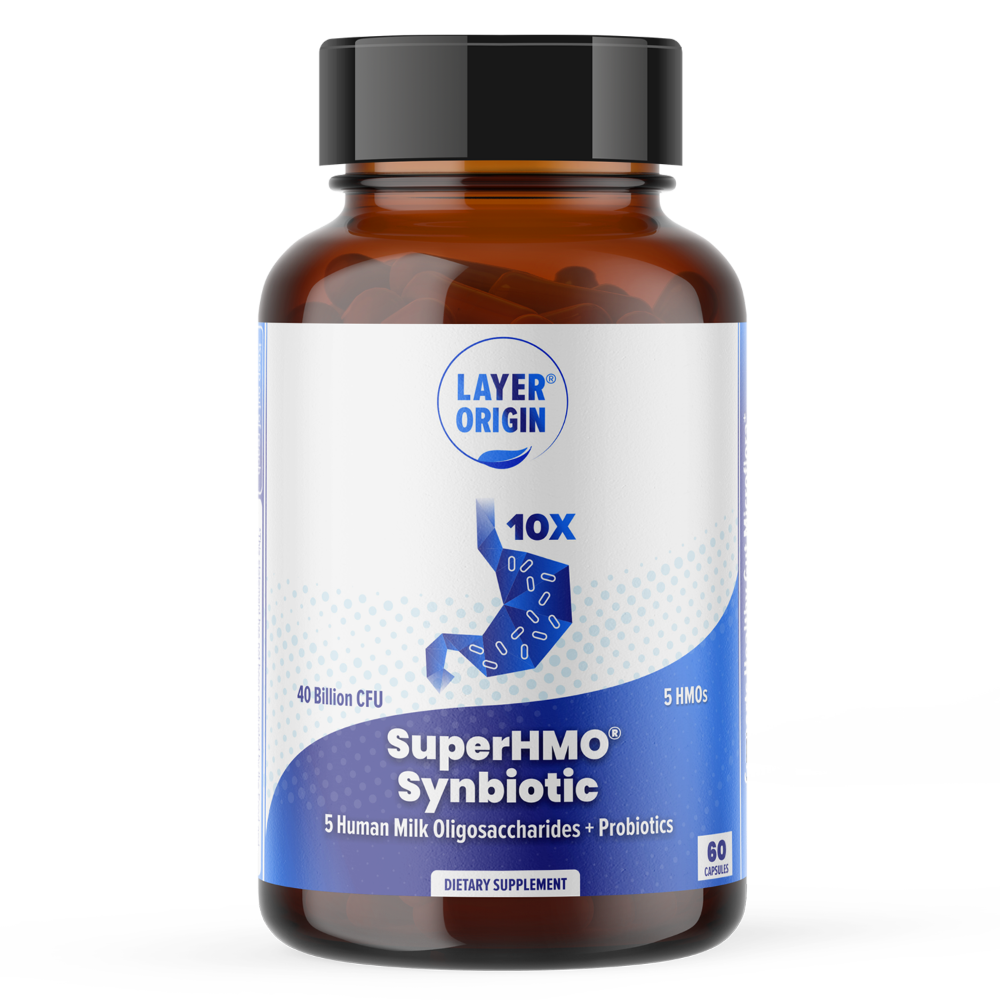
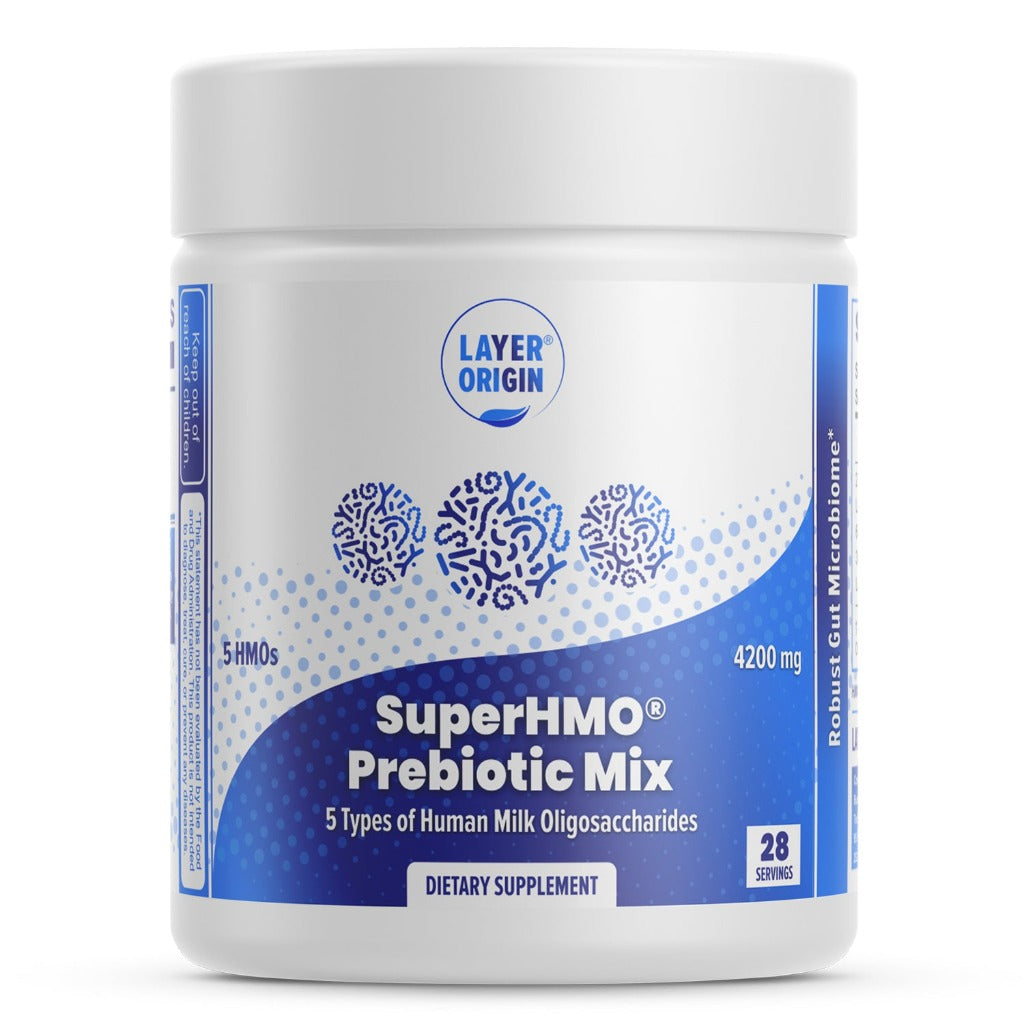
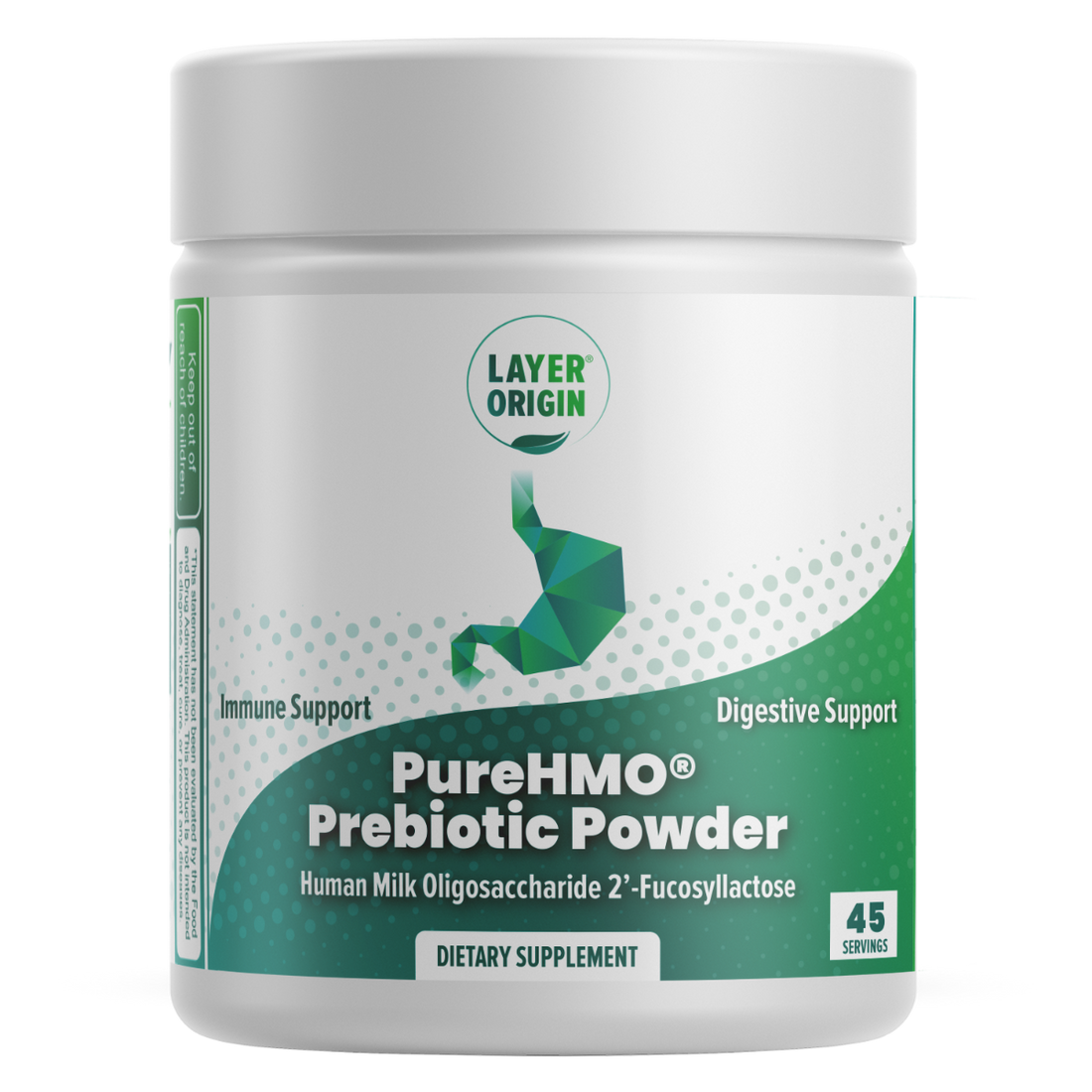
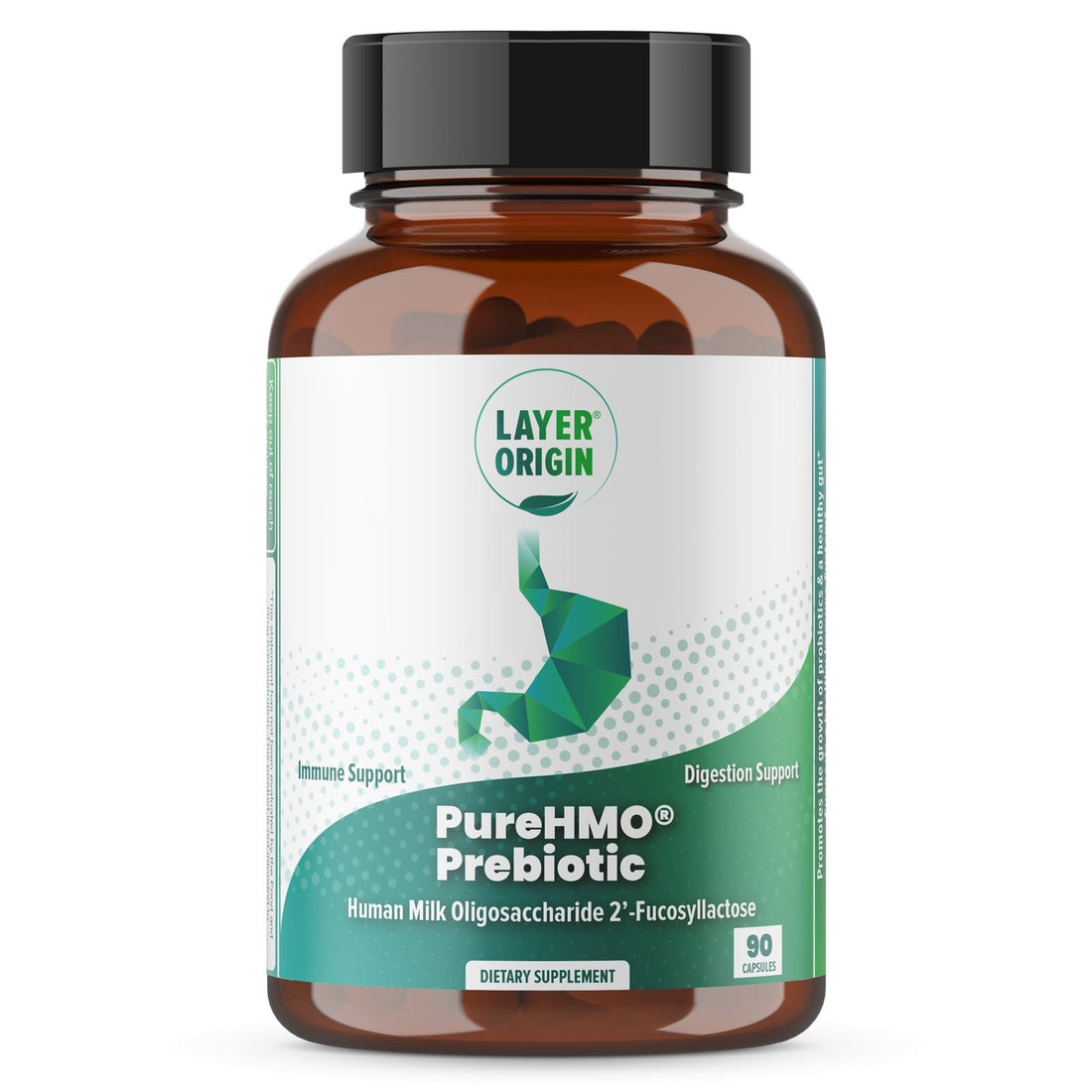
As a result, HMOs are becoming an increasingly popular option for individuals looking to support their gut health in a more targeted way. Check out our PureHMO® range in our shop.
Support your gut after antibiotics
If you have recently taken antibiotics, chances are you have already wiped out a large amount of your good gut bacteria as well as the bad bacteria that was causing your symptoms. Everyone needs antibiotics at some point, but the main thing to focus on is reseeding your gut.
You can do this easily by eating more:
-
Fiber-rich foods
-
Prebiotics
-
Fermented foods like kimchi, kefir, and sauerkraut
You can also support your gut further by taking a combination of probiotics and HMOs to specifically see your gut microbiome after antibiotic use.
Summary
Bifidobacteria are among the most beneficial bacteria in the human gut, helping to support digestion, gut barrier function, short-chain fatty acid production, and immune health.
Although there is no single symptom that confirms low Bifidobacteria levels, signs such as bloating, digestive discomfort, irregular bowel movements, and microbiome disruption following antibiotics may indicate that your gut could benefit from additional support.
Fortunately, eating more fibre-rich and prebiotic foods, alongside targeted ingredients such as human milk oligosaccharides (HMOs), may help encourage the growth of these beneficial bacteria and support a healthier, more balanced gut microbiome.
Author details
Written by: Leanne Edermaniger, M.Sc. Leanne is a professional science writer who specializes in human health and enjoys writing about all things related to the gut microbiome. She has written extensively on inflammatory bowel disease, prebiotics, and microbiome research.
Her work focuses on translating complex medical science into evidence-based, practical health guidance.