Long COVID has been linked to lasting changes in the gut microbiome. This article explores the latest research, possible effects on fatigue, brain fog and digestive symptoms, and practical ways to support gut health during recovery.
Content outline
For millions of people, COVID-19 did not end when the initial infection cleared. Fatigue, brain fog, breathlessness, and digestive problems may persist for months or even years after the initial infection. Emerging research suggests that changes in the gut microbiome may be part of this complex condition, but can supporting gut health aid recovery?
Here, we look at the latest research to find out.
What is long COVID?
Long COVID, also known as post-COVID-19 condition, refers to symptoms that persist beyond the initial infection. They usually begin within three months of SARS-CoV-2 infection and last for at least two months, although many people experience them for years after. The symptoms cannot be explained by another illness or diagnosis and can have a detrimental impact on your quality of life, including work, exercise capacity, and social life.
Researchers have estimated that a huge 65 million people globally are living with long COVID, and more than 200 symptoms have been identified thus far [1]. According to the World Health Organization (WHO), 6% of people who have COVID-19 will go on to develop long COVID [2].
Long COVID is unlikely to have one single cause, but possible mechanisms include:
-
immune system disruption
-
small blood clots
-
cellular and tissue damage from the original COVID-19 infection
-
autoimmune and viral material remaining in certain body tissues
-
gut microbiome changes
Long COVID symptoms
Over 200 symptoms of long COVID have been identified, with the three most common being fatigue, post-exertional malaise, and cognitive dysfunction, including brain fog [3]. Other symptoms include:
-
breathlessness
-
headaches
-
muscle pain
-
joint pain
-
disrupted sleep
-
dizziness
-
digestive symptoms, including diarrhoea, constipation, nausea, or stomach pain [4]
How does long COVID affect the gut microbiome?
Research shows that long COVID is strongly associated with gut microbiome disruption, where a depletion of beneficial bacteria, including Faecalibacterium prausnitzii and Bifidobacterium, is linked to ongoing inflammation [5].
This is also associated with reduced production of short-chain fatty acids (SCFAs), including butyrate, which are key drivers of a regulated immune system, and an abundance of pro-inflammatory microbes, such as Ruminococcus gnavus, Bacteroides vulgatus, and Veillonella.
Taken together, these gut microbiome effects can disturb the integrity of the gut barrier, sustain chronic, low-grade inflammation, and influence the gut-brain and gut-lung axes via your own immune and neuroendocrine pathways [6]. One longitudinal study published in the journal Gut found that 76% of people with post-acute COVID-19 syndrome (PACS, another term for long COVID) still had distinct changes in the gut microbiome 6 months after the initial infection [7].
A further study from 2024 found that certain long COVID symptoms were associated with distinct microbiome patterns and microbial functions [8]. A later study found that differences in the oral and gut microbiomes were related to distinct long COVID symptom patterns [9]. For example, disruptions in the oral microbiome were linked to head and neck symptoms, including changes in taste and smell.
There are several possible explanations for the link between long COVID and the gut microbiome. COVID-19 could disturb the intestinal environment, while antibiotics, diet changes, reduced activity levels, stress, and the severity of the illness can also shape your microbiome. This suggests that, as with other illnesses and conditions, dysbiosis (an imbalanced gut microbiota) could be a contributor, a consequence, or both in the development of long COVID.
How could the gut–lung axis affect long COVID symptoms?
The gut-lung axis is a two-way communication pathway between the gastrointestinal tract and the respiratory system. It’s believed that disruption plays an important role in driving chronic inflammation and long-term symptoms in long COVID [10].
Gut microbes produce metabolites that can enter the bloodstream and influence immune activity in the airways. At the same time, a respiratory infection can alter inflammation, appetite and intestinal function, changing conditions inside the gut.
A healthy intestinal barrier helps control which substances pass from the gut into circulation. If inflammation weakens this barrier, more microbial fragments, such as lipopolysaccharides (LPS), may reach the bloodstream and activate immune responses. In theory, this could contribute to continuing whole-body inflammation or influence recovery within the lungs [11].
Short-chain fatty acids such as acetate, propionate and butyrate may be especially important. Gut bacteria make these compounds when they ferment certain carbohydrates and prebiotic fibers. They help maintain the gut barrier and communicate with immune cells.
COVID-19 research has found disrupted microbial pathways and reduced short-chain-fatty-acid-producing bacteria in some patients. A 2024 microbiome and metabolome study also linked the loss of beneficial microbes with altered tryptophan metabolism and inflammatory responses. A 2025 review found that dysbiosis in the gut is linked to increased inflammatory biomarkers, including C-reactive protein (CRP), a reduction in beneficial species such as F. prausnitzii and Bifidobacterium, and an increase in pathogenic species.
However, the gut–lung axis remains a developing area of research. Supporting the microbiome may promote general gut and immune health, reduce systemic inflammation, and improve COVID-19 clinical outcomes. Yet, more research is needed.
Could the gut-brain axis explain fatigue and brain fog?
Yes, the gut-brain axis could explain fatigue and brain fog in long COVID due to chronic inflammation, reduced serotonin production, and ongoing viral activity [12]. Researchers are investigating whether microbiome changes contribute to brain fog, poor sleep, low mood and fatigue by affecting inflammation, the gut barrier or tryptophan metabolism.
Tryptophan is an amino acid used to make several important compounds, including serotonin and melatonin. Gut microbes influence how tryptophan is processed. Changes in this system could potentially affect sleep, mood, immune regulation and cognitive function [13].
The vagus nerve provides another communication route between the digestive system and brain. Meanwhile, inflammatory substances circulating in the bloodstream may indirectly affect the brain, offering potential explanations for the cognitive symptoms associated with long COVID.
Can prebiotics and HMOs support long COVID recovery?
Prebiotics provide nourishment that selected gut microbes can use. Human milk oligosaccharides, or HMOs, are specialised prebiotic carbohydrates originally identified in breast milk. Adult research shows that certain HMOs can alter the gut microbiome and promote Bifidobacterium growth, which could offer underlying benefits for long COVID sufferers by helping rebalance their microbial ecosystem.
In a small study of 32 healthy adults, an HMO concentrate produced a dose-dependent increase in Bifidobacterium and changed microbial metabolites and immune signals. The findings, published in Scientific Reports, show that HMOs can modulate the adult microbiome.
A 2022 review suggested that HMOs could have promising benefits for both preventing and treating COVID-19 infection. HMOs could benefit COVID-19 sufferers through their ability to act as :
-
Receptor decoys
-
Immunomodulators
-
Mucosal signalling agents
-
Prebiotics
There are also 3 proposed therapeutic HMO applications as shown in Figure 1:

Source: Chutipongtanate et al (2022)
Figure 1: Proposed therapeutic actions of HMOs in COVID-19. [A] HMOs administered by an inhaler that is taken orally to prevent or treat the infection. [B] Intravenous administration directly into the bloodstream to target inflammation and immunomodulation. [C] Oral administration of HMOs via ingestion to restore a balanced gut microbiome to reduce chronic inflammation, and via the gut-brain axis, relieve neurological symptoms.
There is some early intervention evidence for targeting the microbiome more generally. The randomised SIM01 trial tested a specific synbiotic—a combination of bacteria, B adolescentis, Bifidobacterium bifidum, and Bifidobacterium longum and compounds designed to feed them (alacto-oligosaccharides, xylo-oligosaccharides, and resistant dextrin) — in adults with post-acute COVID-19 syndrome. The results demonstrated that this prebiotic/probiotic supplement could alleviate many of the symptoms of long COVID by modulating the gut microbiome [14].
How can you support your gut while recovering from long COVID?
Supporting gut health may improve digestive wellbeing and provide beneficial microbes with the nutrients they need. It should be approached gently, especially when fatigue, nausea, or bowel symptoms affect eating. Introduce dietary changes gradually and seek individual advice if you have allergies, severe symptoms, significant weight loss, or another medical condition.
Helpful steps may include:
-
eating a varied range of plant foods when tolerated
-
adding fiber slowly to reduce bloating or discomfort
-
choosing fermented foods such as live yoghurt or kefir if suitable
-
drinking enough fluid, particularly during diarrhoea
-
limiting heavy alcohol intake and highly processed foods
-
keeping a food-and-symptom record to identify personal triggers
Do not force exercise to improve gut health. Some people with long COVID experience post-exertional malaise, where symptoms worsen after activity. The WHO recommends energy conservation, recognising triggers, and temporarily reducing activity during a flare-up.
Choosing microbiome support during recovery
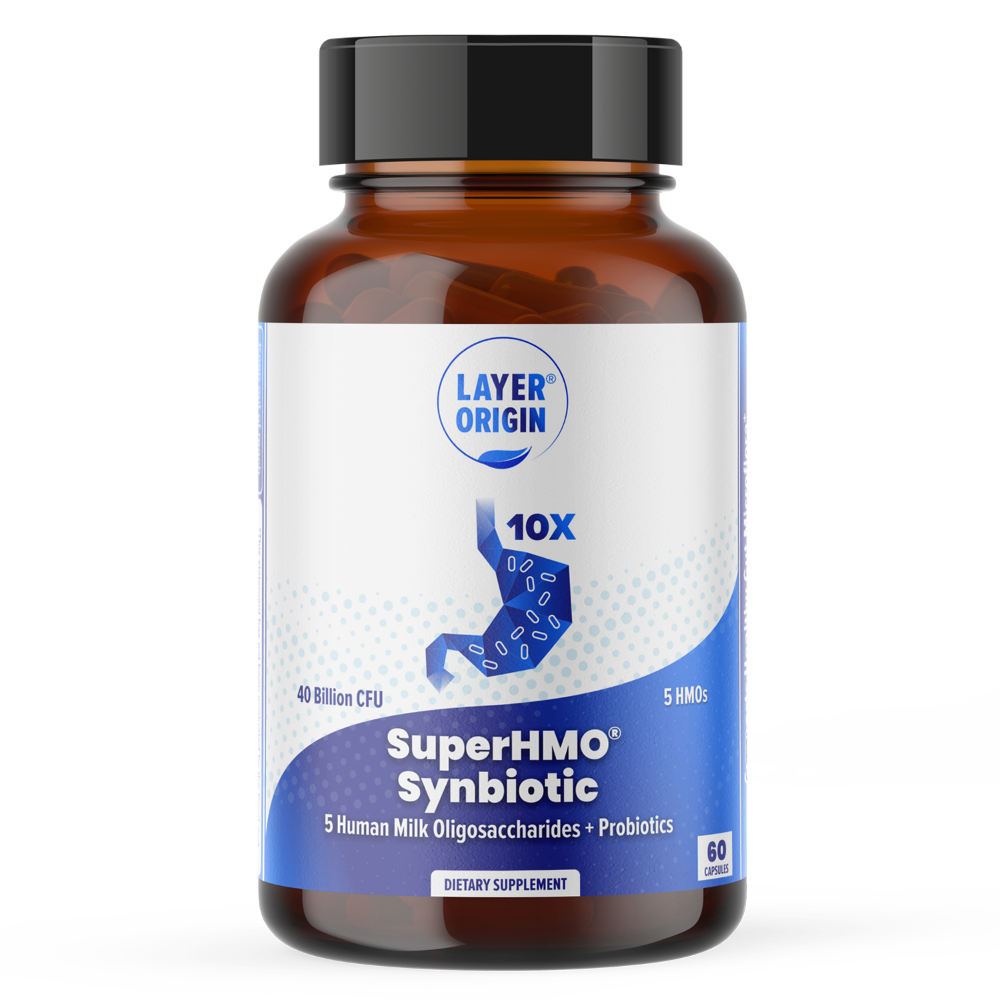
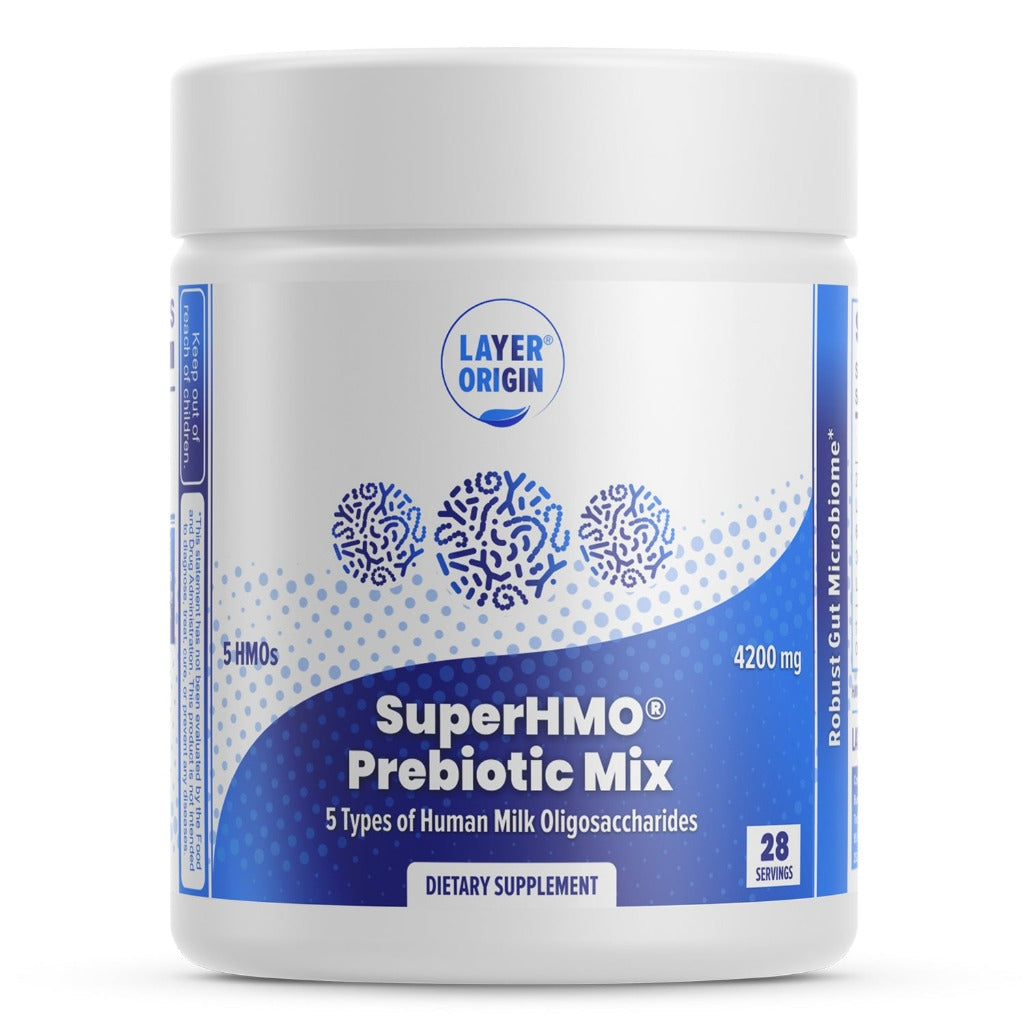
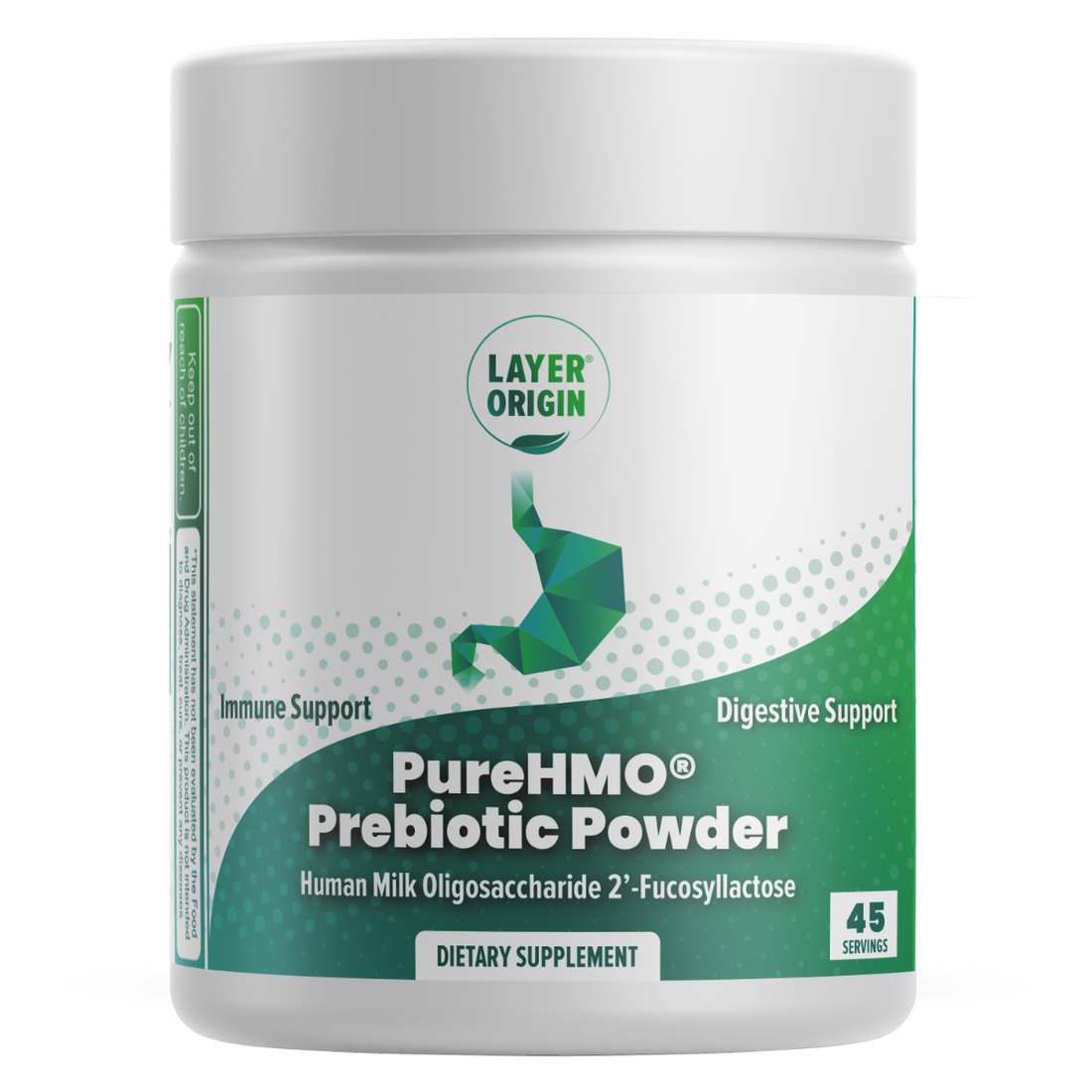
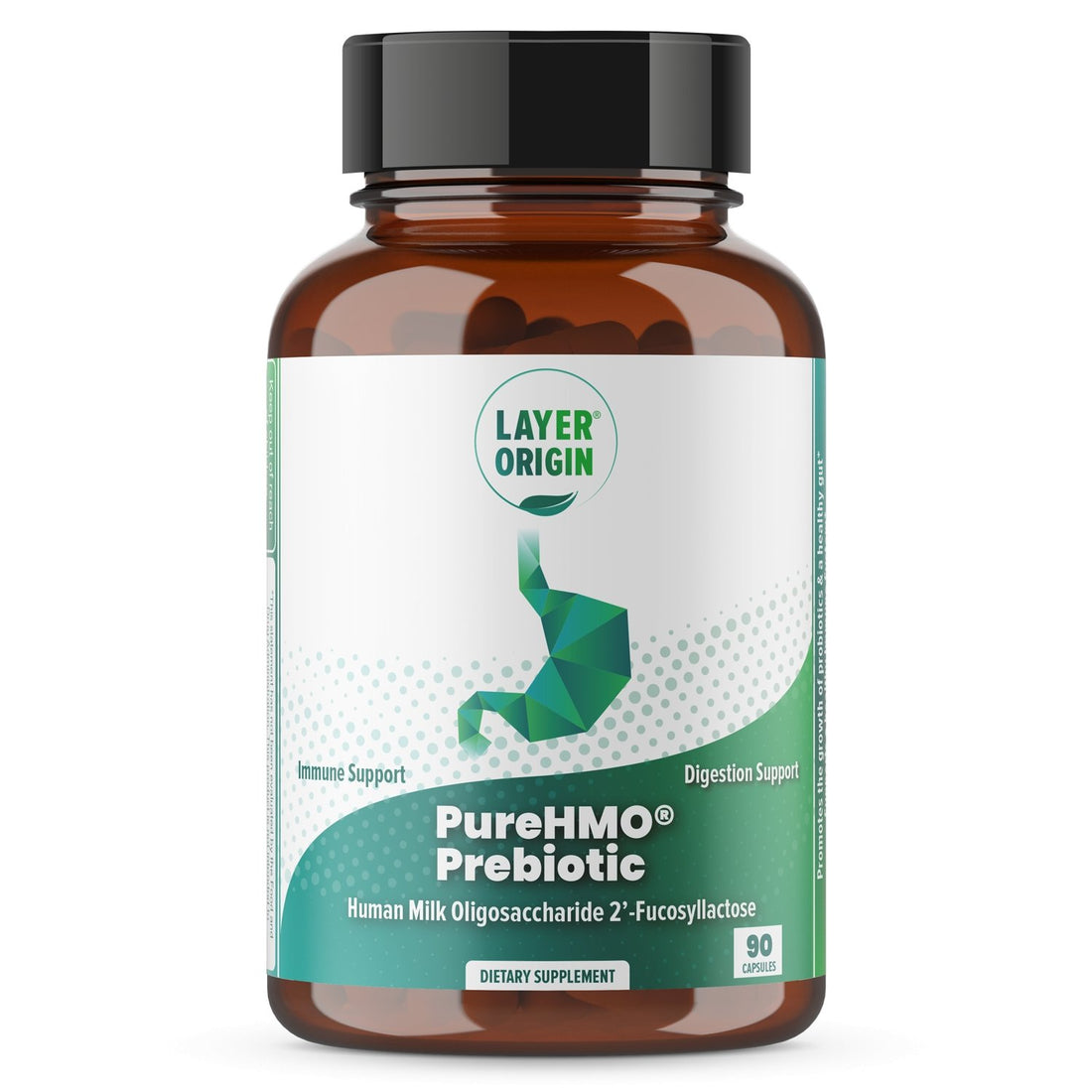
You may consider a prebiotic supplement to support your recovery alongside healthy lifestyle choices. Layer Origin Nutrition offers several options for adults interested in supporting their microbiome:
-
PureHMO® provides the individual HMO 2′-fucosyllactose.
-
SuperHMO® combines five HMOs for broader microbiome support.
Long COVID recovery is rarely quick or straightforward. The gut microbiome represents a promising area of research, not a proven cure. Supporting it may be one practical part of a wider plan built around medical guidance, symptom pacing, nourishing food, sleep, and rehabilitation suited to your individual needs.
Summary
Research suggests that long COVID may be associated with lasting changes in the gut microbiome, including reduced levels of beneficial bacteria such as Bifidobacterium and Faecalibacterium prausnitzii.
Through the gut–lung and gut–brain axes, these changes may be linked to inflammation, digestive symptoms, fatigue, and brain fog. Although supporting the microbiome cannot cure long COVID, a varied diet, appropriate prebiotics, and personalised medical support may help maintain overall gut health during recovery. More clinical research is needed to understand which microbiome interventions are most effective and who may benefit from them.
Explore our HMO products to help you on your way to recovery .
Author details
Written by: Leanne Edermaniger, M.Sc. Leanne is a professional science writer who specializes in human health and enjoys writing about all things related to the gut microbiome. She has written extensively on inflammatory bowel disease, prebiotics, and microbiome research.
Her work focuses on translating complex medical science into evidence-based, practical health guidance.