New research suggests intestinal dendritic cells may play an important role in helping the brain adapt after gut microbial colonization. Learn how immune signaling, the gut-brain axis, and the microbiome may influence behavior and mental wellbeing.
Content outline
The gut microbiome is intrinsically linked to digestion, metabolic health, and immunity, but researchers are discovering that the microbes residing in the gut can also influence how we think, feel, and behave.
A study published in 2025 in the journal Brain, Behavior, and Immunity demonstrated that intestinal dendritic cells can migrate to the brain and influence behavior. These findings could be the key to understanding the rise in psychiatric illnesses and conditions associated with gut-brain axis dysfunction, such as irritable bowel syndrome.
Let’s explore in more detail what the results of the study were, and what they mean for humans.
What did the study discover?
Researchers found that intestinal dendritic cells migrated from the gut to the brain after microbial colonization in germ-free mice. This immune signalling process was linked to the normalization of behavioral changes associated with the absence of gut microbes.
What was the purpose of the study?
Disorders of Gut-Brain Interaction are thought to be caused by several factors including disruption in the gut-brain axis communication pathway. These include conditions such as irritable bowel syndrome (IBS) and functional dyspepsia, and affect more than 40% of people across the world [1]. This not only places a great burden on the healthcare system but also on the individual’s quality of life, and can affect their ability to carry out their daily tasks, including work, adding increasing financial pressure to the mix [2].
Imbalances in the gut microbiota have been associated with dysregulated communication between the gut and brain, which triggers the activation of the immune system, visceral hypersensitivity, and disrupted gut motility. However, the true underlying mechanisms are not fully understood, so the study by Philip et al (2025) aimed to identify the neuroimmune pathways that are crucial for communication between the microbiota, gut, and brain during colonization.
How was the study conducted?
One of the key issues in this kind of research is the complexity and variation of bacterial profiles in human subjects. So, the study used gnotobiotic mouse models. These are mice which are born and raised in sterile conditions where a specific microbial community is deliberately introduced to them. The researchers also used a range of state of the art tools to understand how introducing gut bacteria affects the brain function and behavior of mice.
The mice were colonized and their behavior was studied before and after Escherichia coli, a simplified microbial community made up of 9 strains, and a complex microbiota derived from typical healthy mice was introduced.
Why were germ-free mice used?
Germ-free mice are laboratory rodents that have been raised in sterile environments, so have not been exposed to bacteria, viruses, fungi, and other microbes [3]. Because they have no gut microbiome, they are often used to study how microbes affect the body and brain [4].
What were the results of this study?
Perhaps unsurprisingly, germ-free mice behaved differently from conventional mice. Germ-free mice were less cautious and more exploratory, but the introduction of bacteria changed this initial observation (Figure 1). Within two weeks, their behavior and brain chemistry normalized, and this was consistent between the mice which were colonized with a single bacterial strain, or a complex or simplified microbiota.

Figure 1. Germ-free mice displayed more exploratory behaviors at the start of the trial, but following colonization, and within as little as 2 weeks, this behavior had normalized similar to conventional mice (pcSPF).
The behaviour changes driven by bacterial colonization were also accompanied by changes in the brain, notably the expression of a specific marker or neural plasticity (the brain’s ability to learn new skills, form memories, and recover from injury), called brain-derived neurotrophic factor (BDNF). This was accompanied with expression of another marker called c-fos which is associated with neuronal activation in specific areas of the brain linked to emotion and learning.
Another key finding was intestinal dendritic cells are key for normalizing behavior following bacterial colonization. The researchers also discovered that these immune cells migrate from the gut to the brain during the colonization process, some of which also carried bacterial fragments with them. This suggests that the immune system may carry signals directly from the gut to the brain when microbial communities are establishedOne way to think about dendritic cells as biological couriers or messengers. Imagine that the gut microbiome is a newly formed community sending important updates about its presence and activity. The dendritic cells appear to collect this information in the gut and travel to the brain to “deliver the message,” helping the brain understand and adapt to the arrival of microbes.
This is significant because it suggests communication between the gut and brain may not rely solely on nerves or microbial compounds. Instead, immune cells themselves may physically transport information between the two systems during microbial colonization (Figure 2).

Figure 2. A simplified illustration of how intestinal dendritic cells may act as immune “messengers” between the gut and brain after microbial colonization. The 2025 mouse study found these specialized immune cells migrated from the gut to the brain, where they appeared to help normalize behavior through innate immune signaling pathways.
By blocking the activation or migration of the dendritic cells, the researchers could stop the behavioral changes that occurred after bacterial colonization and prevent the migration of dendritic cells to the brain.
Interestingly, the researchers found that the gut bacteria seemed to act more like a trigger than a permanent driver of behavioral change. Using genetically modified bacteria that only briefly colonized the gut, they showed that once the immune system had been activated and behavioral changes occurred, the microbes themselves were no longer needed to maintain those effects. This suggests the immune system may continue carrying signals between the gut and brain even after the initial microbial exposure has passed.
What are intestinal dendritic cells?
Intestinal dendritic cells are immune cells found in the gut lining. They help the body recognize microbes, coordinate immune responses, and maintain balance between beneficial bacteria and the immune system [5]. New research suggests they may also influence communication between the gut and the brain [6].
What could this study mean for human health?
One of the limitations of this study is it was conducted in mice, but the results may help scientists better understand conditions involving the gut and brain, such as:
-
Irritable bowel syndrome (IBS)
-
Stress-related gut symptoms
-
Anxiety and mood disorders
-
Neuroinflammatory conditions
-
Disorders involving immune dysregulation;
Although the study provides pre-clinical findings, it does demonstrate that the innate immune system is linked to the activation of neuro-immune pathways in both the gut and brain following bacterial colonization. This could help to explain the rise in DGBIs, where disruptions in the gut-brain communication pathways have been identified, and help to drive the development of new therapeutic targets.
The microbiome, immune system, and HMOs
The study also highlights the importance of maintaining healthy communication between the gut microbiome and the immune system. And there are several ways you can do this with very little effort when you make your gut health a priority.
Alongside a healthy diet, regular exercise, great sleep, and stress management, human milk oligosaccharides (HMOs) are increasingly being studied for their role in supporting beneficial bacteria and influencing immunity within the gut environment.
Emerging research shows that HMOs can help:
-
Support the growth of beneficial bacteria, including Bifidobacteria and Akkermansia
-
Encourage a balanced gut ecosystem
-
Influence immune signaling pathways [7]
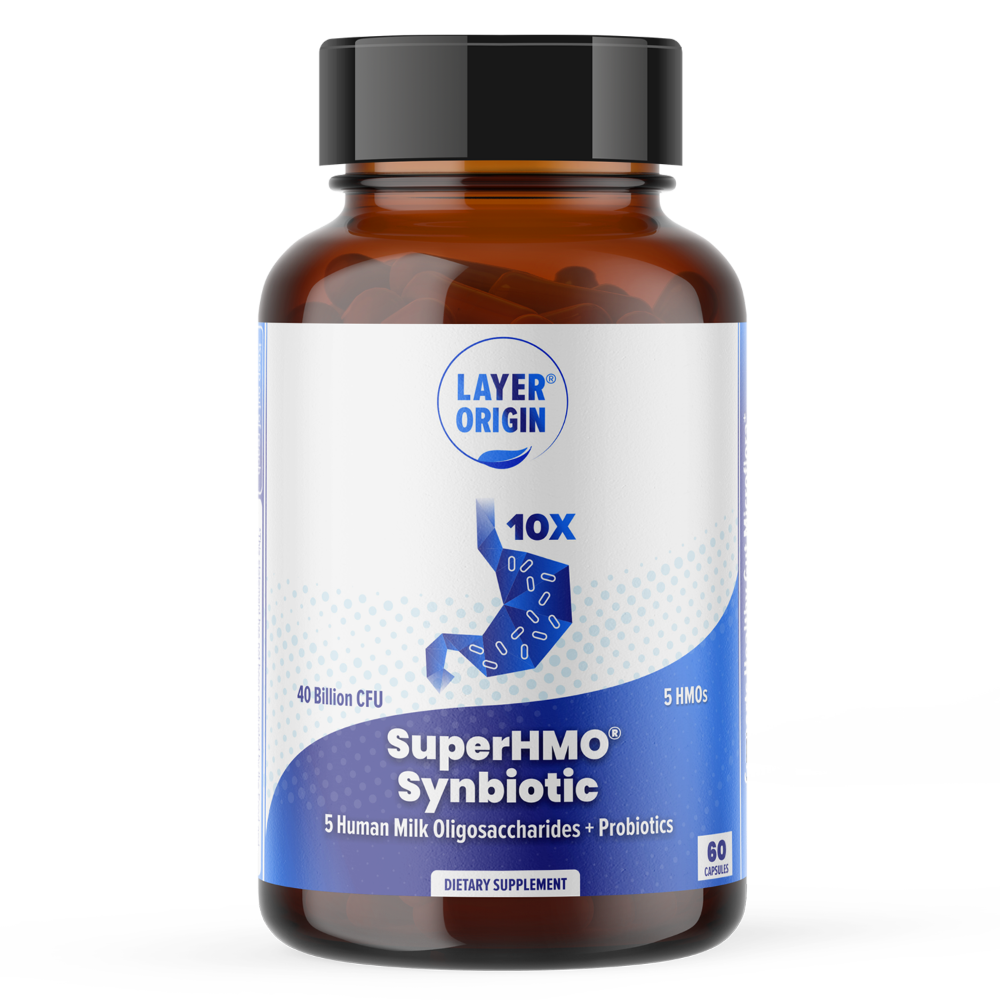
You can get ahead of the game with Layer Origin’s PureHMO® range. Choose from the most abundant HMO, 2’-fucosyllactose (2’FL) to our dedicated IBS support synbiotic powder to our SuperHMO Prebiotic Mix made up of 5 key HMOs, to help support your gut health.
Final thoughts
This 2025 study provides compelling new evidence that intestinal immune cells may help the brain adapt to microbial colonization.
Researchers found that intestinal dendritic cells migrated from the gut to the brain after microbes were introduced into adult germ-free mice. This process appeared closely linked to the normalization of behavioral changes and depended heavily on innate immune signaling.
While human studies are still needed, the findings strengthen the growing understanding that the gut microbiome, immune system, and brain are deeply interconnected.
Explore more about HMOs and gut health
Want to learn more about the science behind the microbiome and immune health? Explore Layer Origin Nutrition’s Knowledge Center to discover more articles covering the latest research on gut health, immune signaling, IBS support, and the gut-brain axis.
Author details
Written by: Leanne Edermaniger, M.Sc. Leanne is a professional science writer who specializes in human health and enjoys writing about all things related to the gut microbiome. She has written extensively on inflammatory bowel disease, prebiotics, and microbiome research.
Her work focuses on translating complex medical science into evidence-based, practical health guidance.