Your ability to produce the anti-aging compound urolithin A doesn’t just depend on what you eat, but also on whether your gut microbiome has the right bacteria to make it. This article explores the science behind urolithin A production, why many people may not naturally generate it, and what you can do to support its production.
Content outline
-
What can you do to support your gut to produce urolithin A naturally?
-
Key takeaway: Your ability to make urolithin A depends on your gut
When it comes to aging well, lifestyle, particularly nutrition, is seen as the cornerstone. But what if it’s not just what you eat that matters, but what your body can do with the sustenance you provide?
Ellagic acid is a prime example. A powerful polyphenol found in foods like pomegranates, raspberries, and walnuts that’s widely recognised for its potent antioxidant properties [1], but this is just a small part of the story. Its true anti-aging potential lies in how certain gut bacteria can convert it into urolithin A.
Urolithin A has emerged as a promising longevity compound, thanks to its associations with improved mitochondrial function and cell renewal [2]. The problem is, not everyone has the gut bacteria needed to produce it.
Here, we explore the science behind urolithin A, the importance of your gut microbiome, and what this means for your long-term health.
What is urolithin A and why is it linked to anti-aging?
Urolithin A is a postbiotic compound. That is a metabolite produced by gut bacteria when they break down ellagitannins and ellagic acid from plant foods, like pomegranates and walnuts. Once urolithin A has been produced, it can influence mitochondrial health, one of the key aging processes.
Mitochondria are commonly known as the powerhouses of your cells [3], and the energy they produce is crucial for many physiological processes, such as walking, talking, and eating. As we age, these structures become less efficient, resulting in reduced energy production and increased cellular damage. These are hallmarks of aging.
Research suggests that urolithin A may help counteract this decline by:
-
Inducing mitophagy: Urolithin A acts as a recycling agent for mitochondria, by removing damaged, dysfunctional mitochondria to prevent the accumulation of damaged organelles that contribute to cellular aging [4].
-
Promotes mitochondrial biogenesis: Urolithin A promotes the growth of new, healthy mitochondria, known as mitochondrial biogenesis, by upregulating genes that are important for the process [5].
A landmark study published in Nature Medicine by Ryu et al (2016) found that urolithin A supplementation improved mitochondrial function and increased lifespan in animal models. More recently, a randomised clinical trial in JAMA demonstrated that urolithin A improved muscle endurance and biomarkers of mitochondrial health in middle-aged adults.
These findings have helped to position urolithin A as a key player in the science of healthy aging.
Can your gut produce urolithin A?
Research has shown that around 70% of people can produce urolithin A from ellagitannins in the gut. However, conversion efficiency can vary among individuals due to differences in gut microbiome composition and other factors.
In older adults, for example, approximately 40% can naturally convert ellagic acid and ellagitannins into urolithin A [6].
Is your gut microbiome the missing link?
Although urolithin A sounds promising, your body doesn’t just produce it automatically. Its production depends on the composition of your gut microbiome, the ecosystem residing in your colon, comprising trillions of microbes.
Scientists have identified 3 main metabotypes based on their gut microbiota composition and whether individuals have the bacteria necessary to metabolise ellagitannins and ellagic acid into urolithins. They are:
|
UM-A |
Efficient producers of urolithin A |
|
UM-B |
Producers of iso-Uro A and urolithin B |
|
UM-0 |
Do not produce urolithin A, B, or iso Uro A |
These metabotypes give an insight into an individual’s ability to convert dietary ellagitannins into bioactive urolithins. They can also help to predict individual health responses. For example, UM-A metabotypes, which can efficiently produce urolithin A, are associated with better cardiometabolic health and postpartum weight loss compared to UM-B.
The UM-0 metabotype, which indicates that an individual cannot produce certain urolithins, including urolithin A, is present in around 10% of the general adult population [7]. Although this could be higher in specific populations, with 60% of US adults thought to have a UM-0 metabotype [8].
Which bacteria are involved in urolithin A production?
A group of microbes has been identified as key urolithin A metabolizers, mainly belonging to the genus Gordinobacter, such as G. urolithifaciens and G. pamalaeae. These are the primary responders to the conversion of ellagic acid into intermediates such as urolithin M-5, urolithin M-6, and urolithin C, and are predominantly found in UM-A metabotypes [9].
Other key bacteria involved in urolithin production are:
-
Ellagibacter
-
Enterocloster

Figure 1. Image shows the metabolic pathway through which compounds in certain foods are converted into bioactive molecules in the gut. Ellagic-acid-rich foods contain polyphenols, which can be metabolized by certain gut bacteria into smaller compounds, resulting in the production of urolithin A.
Supporting the growth of these microbes has been identified as an important step to increasing your natural urolithin A production.
Can you tell if your gut produces urolithin A?
Yes, there are ways to tell whether your gut is a natural urolithin A producer through specialized gut microbiome testing. For example, some commercial tests can identify key microbes linked to urolithin A production from a stool sample.
Just eating pomegranates and walnuts and then analyzing your body to identify whether you may be producing urolithin A could be useful, but it isn’t guaranteed to tell you whether you have a urolithin-favourable metabotype.
What can you do to support your gut to produce urolithin A naturally?
If you don’t want to test your gut microbiome or you’d prefer to proactively support your gut to naturally produce urolithin A, there are several things you can do, which require minimal effort and are relatively inexpensive. From focusing on eating ellagitannin-rich foods to choosing the right anti-aging supplement, here are our top tips:
Focus on your diet to yield anti-aging postbiotics
The first step to induce or increase your natural urolithin A production is to focus on the foods that provide the stepping stones to urolithin A production. Prioritizing ellagitannins and ellagic acid, the natural compounds that your gut bacteria transform into urolithin A. Natural sources include:
-
Pomegranates
-
Blackberries
-
Raspberries
-
Strawberries
-
Walnuts
-
Pecans

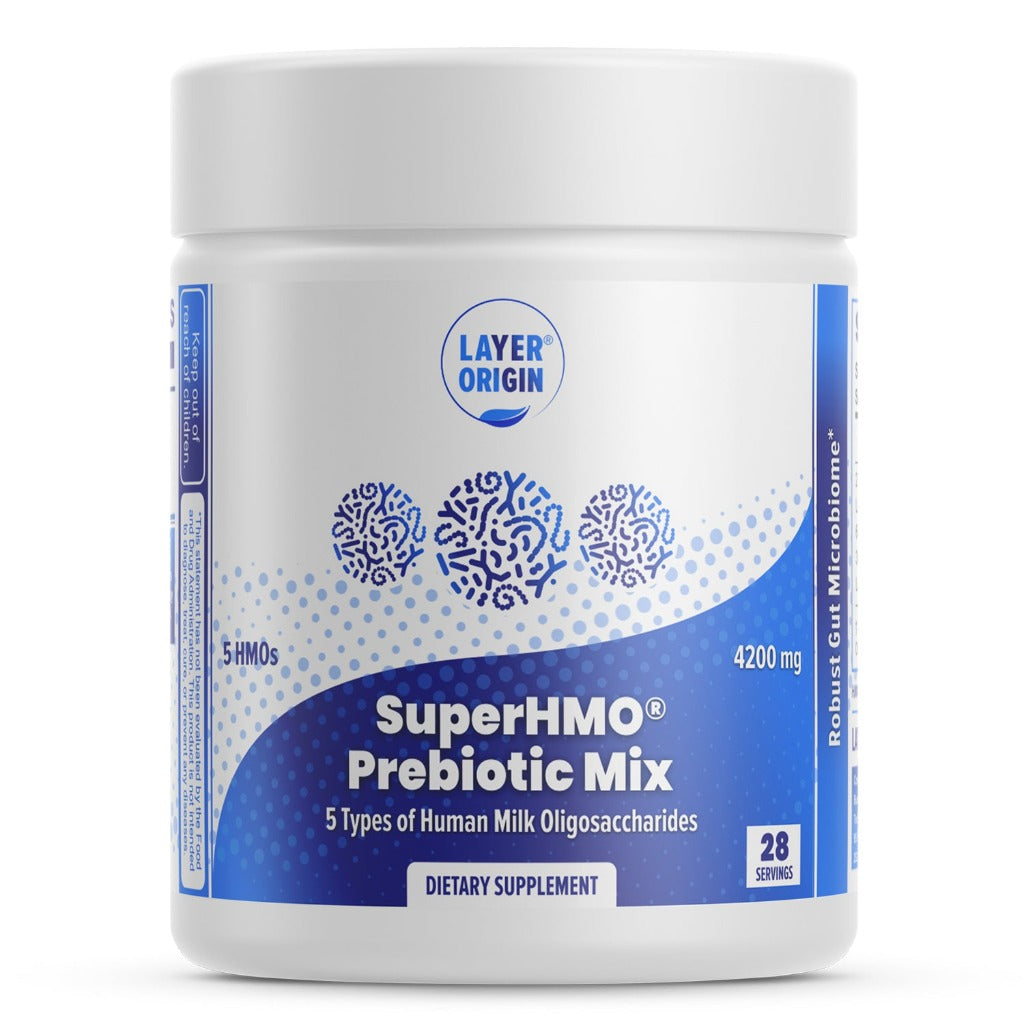
These foods provide the initial building blocks for urolithin A production in your diet, but these are not the only postbiotics that are critical for your health and healthy aging. Short-chain fatty acids (SCFAs) are key for your gut, brain, and immune system. Focusing on eating a healthy, balanced diet alongside prebiotics, including human milk oligosaccharides, will support a diverse gut.
Avoid antibiotics
Diet is not the only lifestyle factor that influences the composition of your gut. Avoiding unnecessary antibiotics will help support your gut, as they can wipe out beneficial bacteria as well as the infection-causing strains.
Anti-aging supplements
If your gut isn’t producing urolithin A, you might be considering taking a urolithin A supplement. A 2022 study found that middle-aged adults taking a urolithin A supplement at 2 daily doses for 4 months experienced an approximately 12% improvement in muscle strength, as well as enhanced aerobic endurance and physical performance [10].
A more recent 2025 study found that while a daily 1000mg urolithin A supplement did not improve running performance in competitive male middle-distance runners, it did reduce post-exercise muscle damage markers. Therefore, suggesting that urolithin A could facilitate improved muscle recovery by indirectly downregulating inflammatory pathways and muscle damage biomarkers [11].
Urolithin A supplements are one way to potentially boost your supply of this important postbiotic, but what if you could build the microbial army in your gut to produce urolithin A yourself?
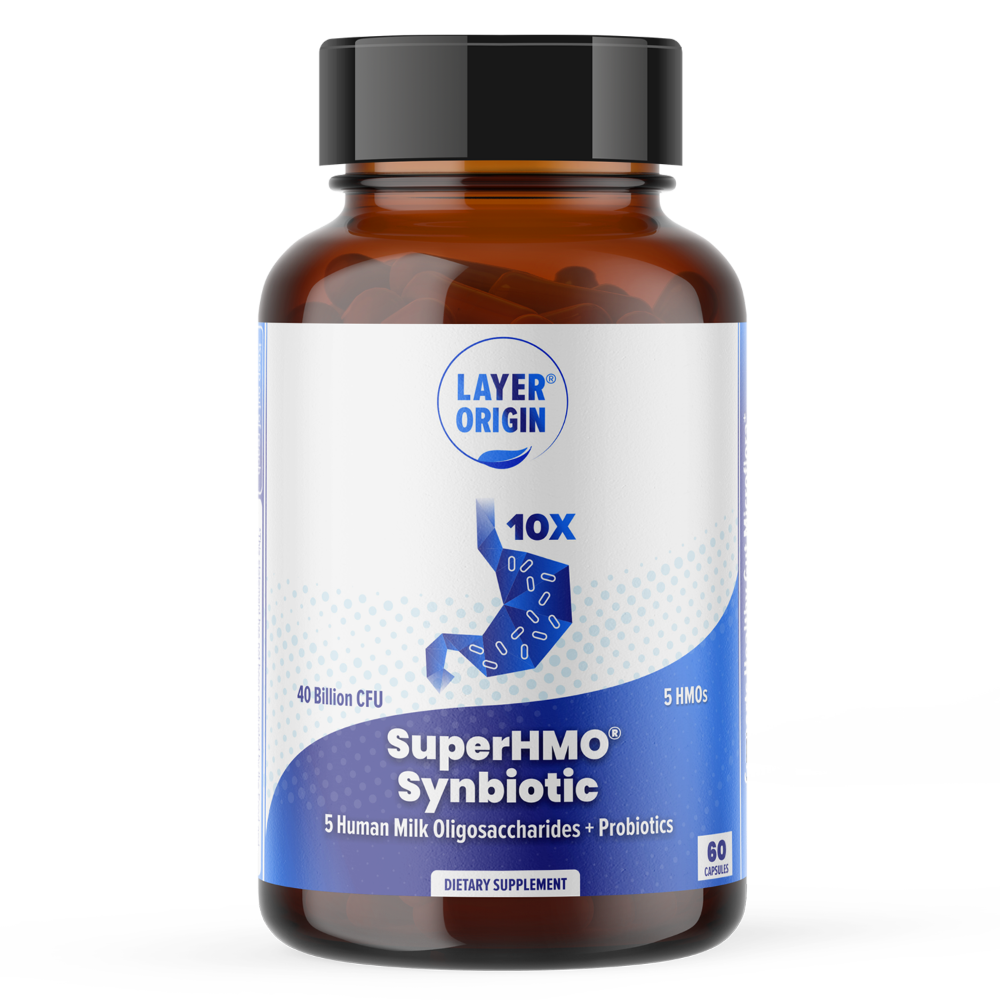
Our specialised anti-aging formulation targets the specific gut bacteria known to produce urolithin A. Containing a combination of human milk oligosaccharides, ellagic acid, and probiotics, the formulation not only naturally enhances your urolithin A production but also promotes a diverse and healthy gut microbiome that supports your mitochondrial function and your health in general.
In our experimental study, one HMO, 2’-fucosyllactose (2’FL), increased the abundance of Gordinobacter species from undetectable levels to 0.0019% and Enterocloster citroniae from undetectable levels to 0.0039% within 23 days. This demonstrates that our anti-aging formulation can directly enhance the human gut’s capability to produce urolithin A.
Key takeaway: Your ability to make urolithin A depends on your gut
Your gut may be able to produce urolithin A, but only if it is equipped with the microbial machinery to do so. Research suggests that anywhere between 10 and 60% of the population, depending on where in the world you live, have the specific bacteria needed to make urolithin A naturally.
Gut microbiome tests may tell you specifically how your gut microbiome “looks”, but there are things you can do to naturally improve your chances of yielding this anti-aging compound.
Author details
Written by: Leanne Edermaniger, M.Sc. Leanne is a professional science writer who specializes in human health and enjoys writing about all things related to the gut microbiome. She has written extensively on inflammatory bowel disease, prebiotics, and microbiome research.
Her work focuses on translating complex medical science into evidence-based, practical health guidance.