Explore non-secretor status, FUT2 genetics, microbiome differences, and how HMOs such as 2’-FL help support beneficial gut bacteria.
Content Outline
-
Secretor Status and Risk of Infections: The Surprising Trade-Off
-
FUT2 and Human Milk Oligosaccharides (HMOs): Why It Matters for Babies and Adults
-
Conclusion: Being a Non-Secretor Is Just One Part of Your Gut Story
Introduction: What Does It Mean to Be a Non-Secretor?
You’ve probably heard the term ‘non-secretor’ while reading about gut health or even genetic testing, but what does it even mean? And what role does it play in your digestion, immunity, and gut microbiome?
Specifically, when we’re referring to non-secretor status, we’re talking about the FUT2 gene, which is responsible for deciding whether your body expresses the blood group ABO antigens in bodily fluids, like saliva and mucus.

Figure 1. Blood antigens. The blood antigens A, B, and O determine your blood type and are expressed in bodily fluids in FUT2 secretors.
Around 20% of Caucasian and African people are FUT2 non-secretors [1], meaning that these antigens are not released into their mucosal surfaces.
This may seem small, but it can have a huge impact on your gut microbiome, how likely you are to get certain illnesses , and even how your body responds to specific nutrients. As more research comes to light, scientists are helping us to better understand how we can support our gut health in non-secretors, including through targeted therapies, like human milk oligosaccharides (HMOs), like 2’-fucosyllactose (2’-FL).
Here, we explore what it means to be a non-secretor, how the FUT2 gene impacts your gut microbiome, and how you can restore balance if you are a non-secretor.
The FUT2 Gene: Secretors vs Non-Secretors
The FUT2 gene determines whether you are a secretor. The FUT2 gene encodes the enzyme galactoside 2-alpha-L-fucosyltransferase 2, which is responsible for the secretion of ABO antigens into bodily fluids such as saliva [2]. Around 80% of people are secretors and have a functional FUT2 enzyme, secreting these sugars into their bodily fluids [3]. While 20% are non-secretors, and do not have a functional FUT2 enzyme.
The FUT2 gene polymorphism, which determines a person’s secretions status, can be one of the following:
-
G/G – Full secretor: People with this genotype have fully functional FUT2 enzyme activity, meaning they secrete ABO antigens into bodily fluids [4].
-
G/A – Partial secretor: This phenotype means there is reduced FUT2 enzyme activity, and these people are partial secretors, so they express smaller amounts of antigens into their bodily fluids compared to full secretors [4].
-
A/A – Non-secretors: If you have an A/A genotype, you do not have a functional FUT2 enzyme and do not secrete ABO antigens into your bodily fluids [4].
How Secretor Status Shapes the Gut Microbiome
FUT2 secretor status has essential implications in shaping the human gut microbiome because it is responsible for determining the presence of carbohydrate food sources, known as glycans, in the intestinal mucus. If you have a functional FUT2 gene, you will provide these glycans that beneficial and health-promoting microbes, like Bifidobacteria, can use as an energy source and to enable them to grow and thrive [5].
These microbes are key producers of short-chain fatty acids (SCFAs), like acetate and butyrate, which support a healthy gut, including maintaining gut barrier integrity and immune function.
Because non-secretors lack these glycans in their intestinal lining, studies have consistently shown that they have lower levels of Bifidobacteria and a reduced diversity and richness compared to secretors.

Figure 2. Bifidobacterial richness and diversity are lower in non-secretor faecal samples compared to secretors. A shows that the number of bands, which indicates richness, was almost twice as low in the non-secretor group compared to the secretor group. [Source: Wacklin et al (2011)].
A reduction in the Bifidobacteria populations, such as B. longum and B. bifidum, in the guts of non-secretors can mean they have a different microbiota composition, which may lead to a lower SCFA production and mean they are more susceptible to chronic conditions like Crohn’s disease [6] and type 1 diabetes [7].
Being a non-secretor isn’t harmful; it just means your microbiome operates in a different way, but it can help to explain why some people respond differently to things like prebiotics, probiotics, and dietary changes.
Secretor Status and Risk of Infections: The Surprising Trade-Off
Your secretor status can have surprising benefits, particularly when it comes to immunity. Despite the fact that non-secretors may have a different gut microbiome composition, they may be less susceptible to some (pretty nasty) infections. For example, non-secretors are less susceptible to some winter vomiting bugs, like norovirus, particularly the common strain GII. Some research has demonstrated that norovirus was 2.8-fold more likely in FUT2 secretors [8].
Another common infection that FUT2 non-secretors appear to be protected against is rotaviruses. One study found that children who were non-secretors were 98% protected against severe rotavirus sickness and diarrhoea [9].
That’s not all: non-secretors are also less likely to develop Helicobacter pylori infections, a cause of vitamin B12 deficiency [10], but the same study also found that non-secretors respond more strongly to vitamin B12 supplementation, which may mean they have a selective advantage against the condition [11].
However, FUT2 non-secretors can be more prone to other illnesses and infections, including:
-
Candida infections (thrush)
-
Urinary tract infections
-
Crohn’s disease/Inflammatory bowel disease (IBD)
-
Mumps
-
Type 1 diabetes
This is because of differences in mucosal immune responses and gut microbiome composition. Your FUT2 secretor status does not make you more or less healthy; it just influences how your body interacts with microbes.
Non-Secretors and Nutrient/Immune Differences
Those with the AA genotype (non-secretors) also exhibit nutrient and immune differences that can influence vitamin B12 absorption, mucosal immunity, and gut barrier integrity.
-
Vitamin B12 absorption: Fut2 non-secretors have a better response to vitamin B12 supplementation and have higher circulating levels of vitamin B12 [12].
-
Mucosal immunity: Because secretors produce glycans, which act as a food source for specific beneficial bacteria, they tend to have stronger baseline mucosal defences because they have a more robust and diverse microbiota.
-
Gut barrier integrity: Non-secretors produce lower levels of SCFAs because of a lower microbiota abundance and diversity, which can contribute to a greater susceptibility to certain infections and inflammatory diseases.
How to Find Out If You’re a Non-Secretor
You can find out your FUT2 secretor status through DNA testing, and it’s really easy. Some companies offer testing kits to determine your secretor status, but others can provide much broader insight into your unique DNA, such as selfdecode, 23andMe and clinician-ordered genetic tests.
If your result shows the following at rs601338:
-
GG = full secretor
-
GA = partial secretor
-
AA = non-secretor
FUT2 and Human Milk Oligosaccharides (HMOs): Why It Matters for Babies and Adults
The FUT2 gene has implications for both babies and adults because it can shape the composition of human milk, which can have a major impact on the development of the infant gut microbiome. For example, a mother’s secretor status, as determined by the FUT2 gene, is associated with HMO composition of breast milk [13].
Secretor vs Non-Secretor Status
FUT2 affects the composition of human breast milk because the FUT2 enzyme, α-1,2-fucosyltransferase, determines whether fucosylated HMOs, like 2’-Fucosyllactose (2’-FL) and Lacto-N-fucopentaose I (LNFP I), are produced.
If FUT2 is present and the mother is a secretor, she will produce milk rich in fucosylated HMOs, such as 2’FL. Non-secretor mothers are unable to produce these HMOs ,and instead their milk contains a higher quantity of sialylated HMOs, like 3’sialyllactose (3’SL) and 6’sialyllactose (6’SL) and non-fucosylated HMOs, including LNT and LNnT [14].
The abundance of 2’-FL in human breast milk is a good indicator of a mother’s secretor status.
FUT2 Implications in Adults
Even in adults, FUT2 secretor status has implications because it heavily influences the gut microbiome composition by affecting fucosylated sugars in mucus. These glycans provide an energy source or attachment site for beneficial microbes, such as Bifidobacteria. So, secretors tend to have a more diverse microbiome and a greater abundance of health-promoting species.
Non-secretors, on the other hand, who lack the FUT2 enzyme have a lower abundance of beneficial bacteria and a less diverse microbiota [15] leaning towards a more Firmicutes/Bacteroides profile – a marker of gut dysbiosis [16]. This is because non-secretors have lower Bifidobacterium diversity, richness, and abundance [17]. This highlights that although diet is a major contributor to individual microbiome variation, so too is your genetic make-up.
HMOs as a Targeted Strategy for Non-Secretors
Human milk oligosaccharides are structurally complex carbohydrates that can selectively nourish beneficial bacteria, particularly Bifidobacteria. HMOs, like 2’FL, are an α(1,2)-fucosylated glycan that is structurally similar to other fucosylated antigens found in secretors and can support the beneficial microbes in the gut that utilize fucose in non-secretors.
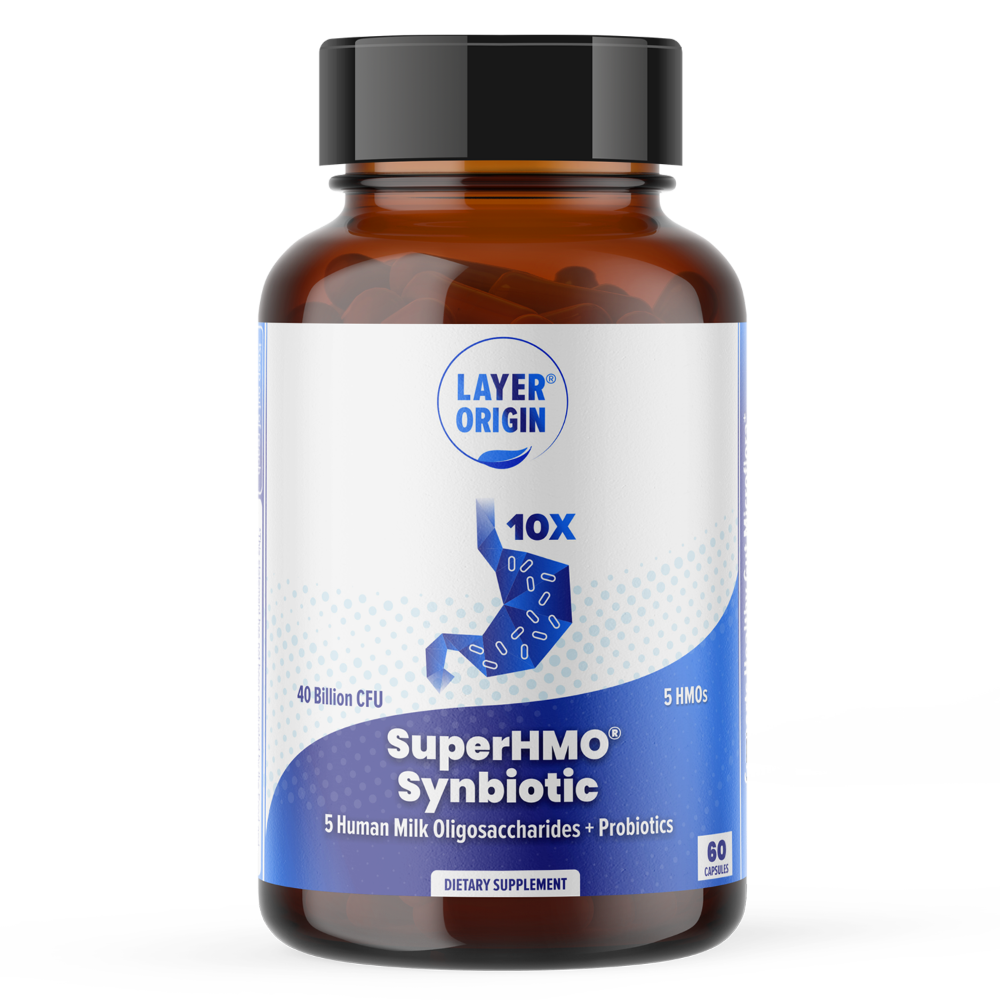
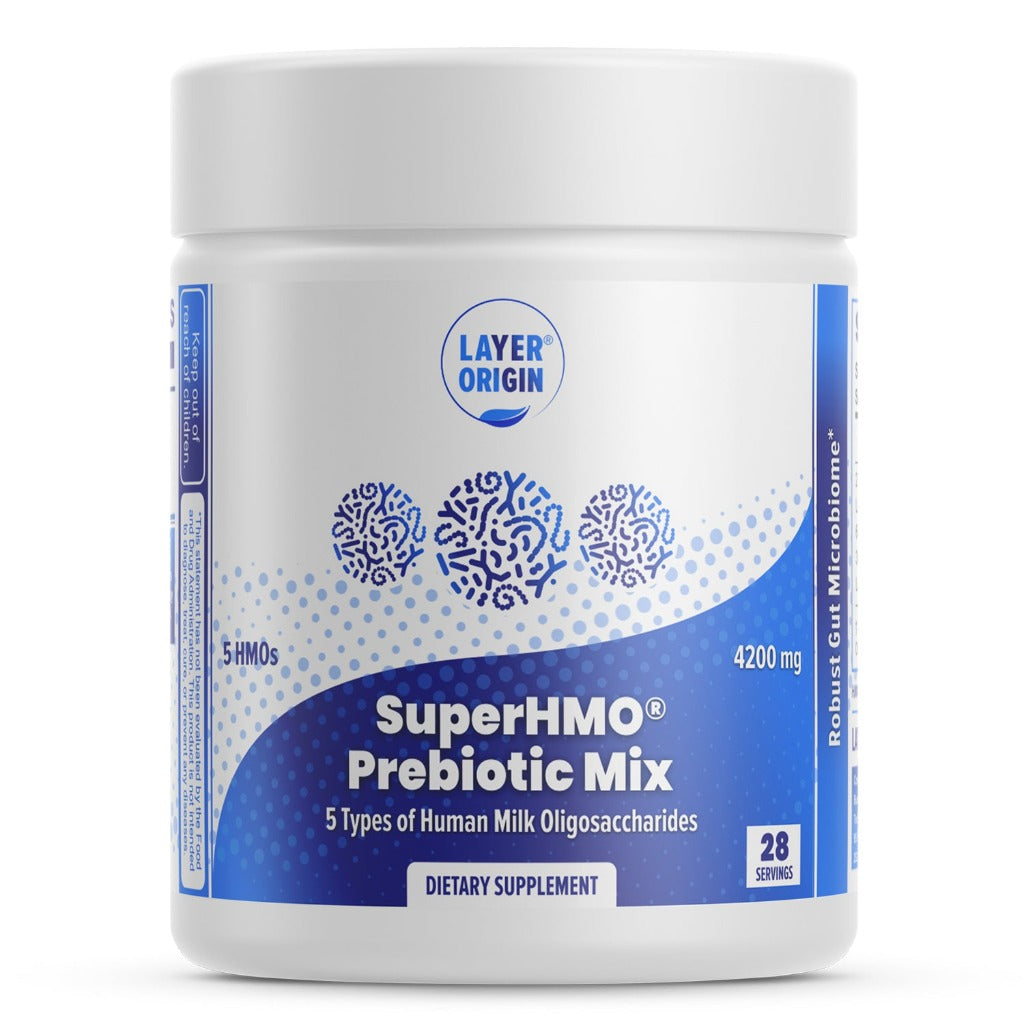
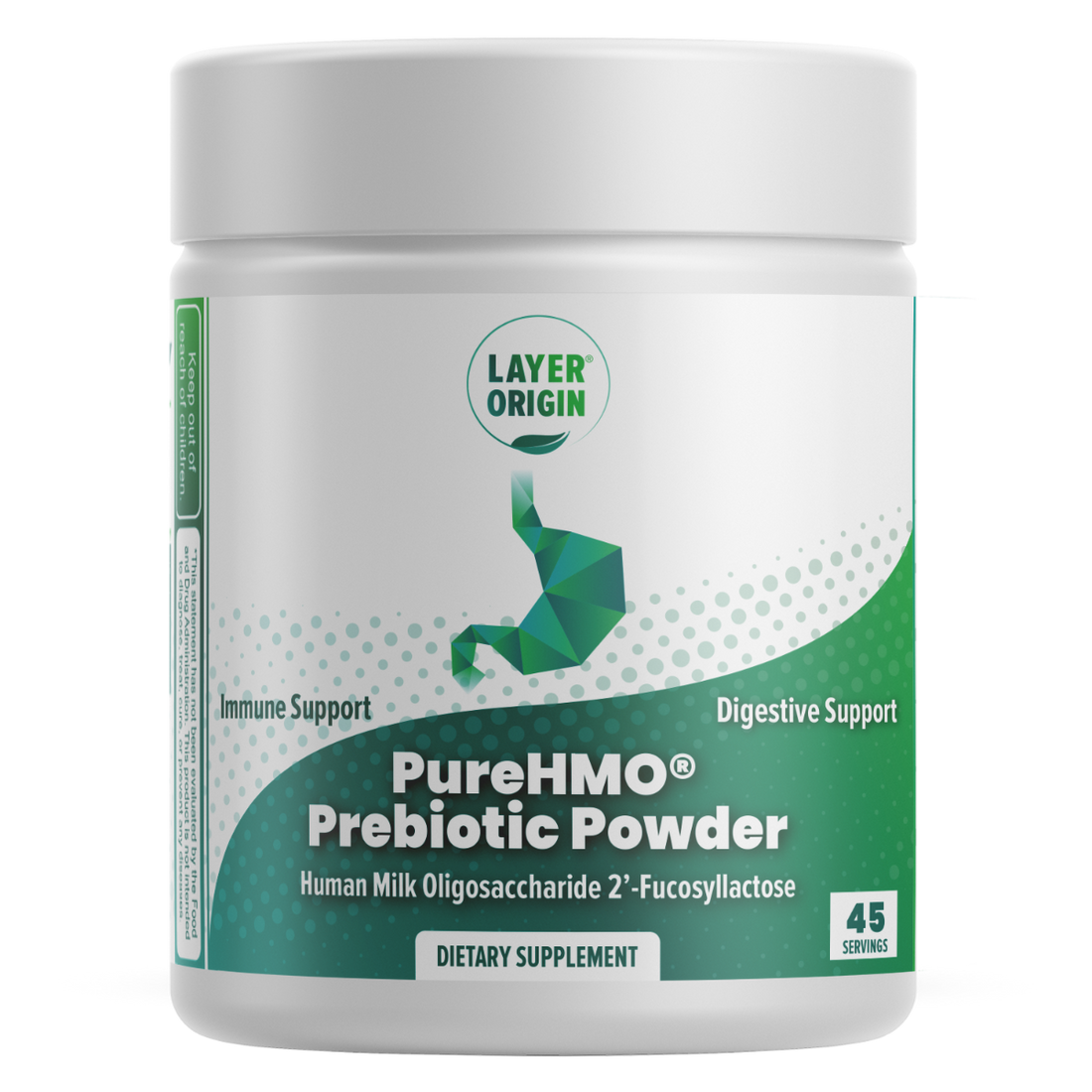
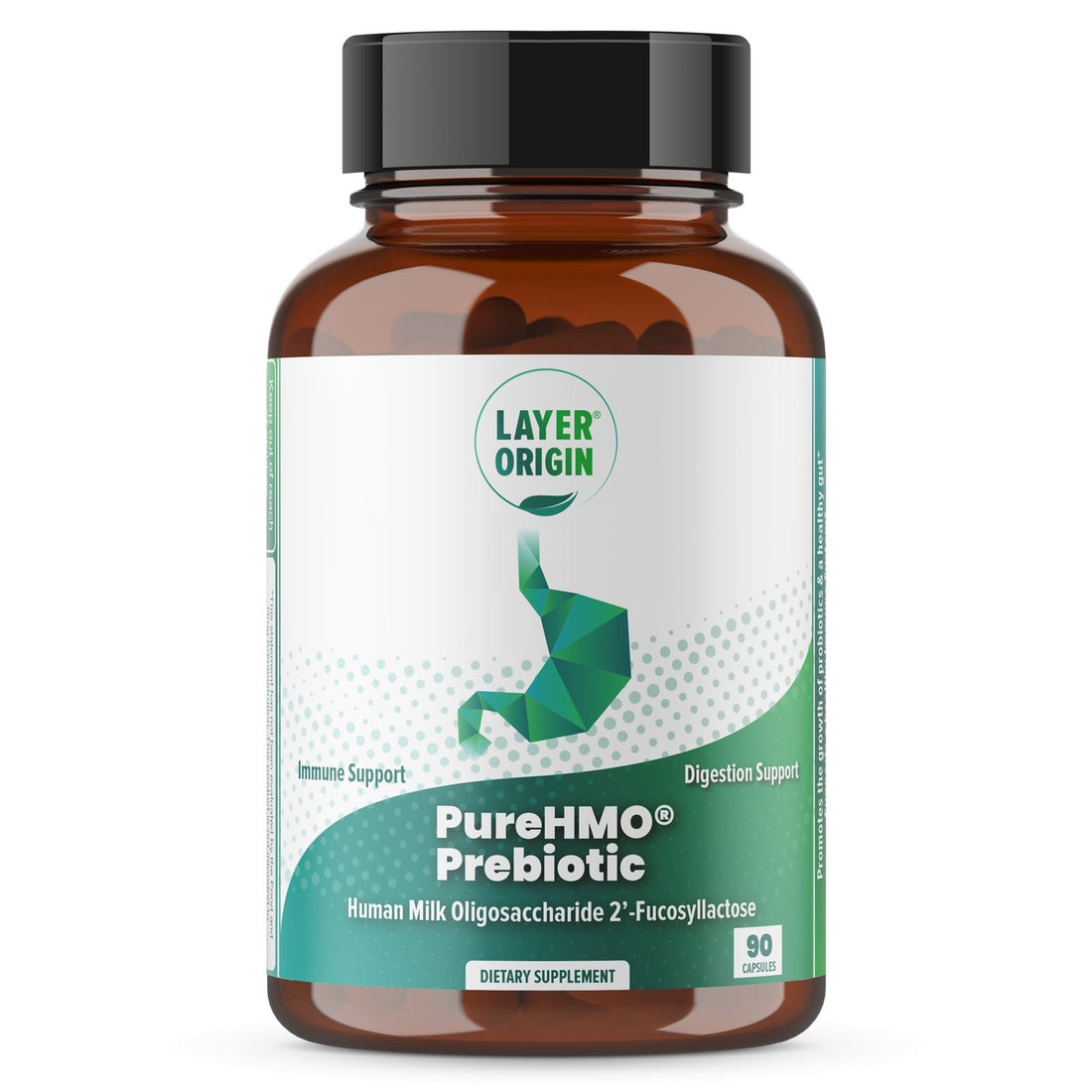
By supplementing your diet with fucosylated HMOs, such as our PureHMO® Human Milk Oligosaccharide or SuperHMO® Prebiotic Mix, non-secretors can gain the following benefits:
✅ recreate fucose-rich signals, similar to those naturally produced by secretors.
✅provide fuel for beneficial bacteria species that can metabolize fucosylated substrates, like Bifidobacteria
✅increased abundance of strains like B. infantis, B. bifidum, and B. longum
✅increased production of SCFAs
✅enhanced gut barrier integrity
✅improved immune function
HMOs bridge the gap for non-secretors whose microbiota may lack their favourite sources of nourishment.
Best Probiotic Pairings for Non-Secretors
When it comes to supporting your gut microbiome, especially if you are a non-secretor, prebiotics and probiotics work best together, creating a synbiotic effect. Probiotics can introduce beneficial bacteria into the gut, but they will only thrive if they have the right nutrients available. This is where HMOs, like 2’FL, play an important role.
Specialized bacteria, like Bifidobacteria, are equipped with genes and enzymes to break down HMOs efficiently, giving them a competitive advantage when these substrates are present. For non-secretors, this is especially important. Because they do not naturally express fucosylated glycans on the gut lining, beneficial microbes that rely on these structures may struggle to thrive. Supplementing HMOs can help recreate a more secretor-like environment, improving probiotic survival, colonisation, and metabolic activity.
Having said that, not all probiotics are created equal and not all are equally suited to be paired with HMOs. The greatest benefits are yielded when you combine HMOs with bacterial strains that have evolved to use them. Key examples include:
-
Bifidobacterium longum subsp. infantis: this strain can utilize HMOs to produce beneficial metabolites, like SCFAs, which help to maintain gut barrier integrity.
-
Bifidobacterium longum subsp. Longum BB536: this strain can support digestion and immunity [17].
-
Bifidobacterium bifidum: supports a more synergistic microbiome by providing sustenance to beneficial bacterial species [18]. Some strains produce extracellular fucosidases, which enable them to break down complex HMOs into smaller sugars that other beneficial microbes can use, also known as cross-feeding [19].
Looking for a convenient and easy way to combine HMOs with these Bifidobacteria strains? Check out our PureBifido™ Probiotics with 5 Strains of Bifidobacteria or SuperHMO® Synbiotic Capsules.
Conclusion: Being a Non-Secretor Is Just One Part of Your Gut Story
Your FUT2 genotype shapes your microbiome in several ways, from the nourishment your gut bacteria prefer to how susceptible you are to certain infections, and how your body interacts with nutrients and immune signals. However, being a FUT2 non-secretor does not mean your gut is at an instant disadvantage; it just means it works differently.
The important thing is to understand what makes it different and harness tools like targeted nutrition, prebiotics, and probiotics to support a balanced and resilient intestinal ecosystem.
For non-secretors, 2’FL is a good way to fill the nutritional gap created by FUT2 genetics, helping to nourish beneficial bacteria and promote optimal digestive and immune function.
Written by: Leanne Edermaniger M.Sc. Leanne is a professional science writer who specializes in human health and enjoys writing about all things related to the gut microbiome.