Antibiotics are essential for treating bacterial infections, but they don’t just target harmful bacteria. They can also disrupt the delicate balance of your gut microbiome, wiping out beneficial species alongside the bad.
For years, probiotics have been widely recommended as a way to “rebuild” the gut after antibiotics. But emerging research suggests the story may be more complex than we once thought.
So, should you take probiotics after antibiotics, or could they actually slow recovery?
Content outline
- What are antibiotics?
- What happens to your gut after antibiotics?
- Antibiotic administration and antibiotic exposure are unavoidable in our lives
- Should you take probiotics after antibiotics?
- The surprising findings about the use of probiotics after antibiotics
- What good bacteria are inhibited by current commercial probiotics?
- When to consider using probiotics after antibiotics
- A better approach: Supporting your native microbiome
- Key takeaway
What are antibiotics?
Antibiotics are drug molecules that are either bactericidal (i.e. kill bacteria) or bacteriostatic (i.e. inhibit bacterial growth). Although the advent of antibiotics has dramatically decreased death rates due to infection, the widespread use of these drugs has created an array of subsequent health concerns, including the emergence of antibiotic-resistant strains and gut distress during and after use.
What happens to your gut after antibiotics?
It is well established that antibiotic use causes rapid dysbiosis (i.e. disruption of the healthy commensal microbe communities), and the use of antibiotics, especially in early childhood, is strongly associated with chronic diseases, including obesity, autoimmunity, allergies, and inflammatory bowel disease. Additionally, because mitochondria evolved from bacteria and share many of their structural features, bactericidal antibiotics actively induce mitochondrial damage leading to increased free radical production, which drives inflammation and tissue damage [1].
Antibiotic administration and antibiotic exposure are unavoidable in our lives
Despite their drawbacks, some conditions necessitate antibiotic use, and most individuals will at some point be prescribed them. To this end, it is important to codify best practices to mitigate the adverse effects that result from their consumption. If asked, most individuals, including medical doctors, would acknowledge the deleterious effects of antibiotics on the gut microbiome, and many would suggest incorporating probiotic supplementation to reconstitute the microbiota post-antibiotics.

Should you take probiotics after antibiotics?
Probiotics are supplements containing key species of bacteria that are believed to confer beneficial effects in the human gut. Although the use of probiotics in this context seems reasonable at first blush, a prominent research lab in Israel challenged this recommendation in their comprehensive paper entitled “Post-Antibiotic Gut Mucosal Microbiome Reconstitution Is Impaired by Probiotics and Improved by Autologous FMT” published in Cell [2].
How did scientists arrange the study?
In this study, the microbial composition of both stool and the gut mucosa of human volunteers was assessed at baseline (i.e. before a 7-day treatment with a broad-spectrum antibiotic), immediately after antibiotic treatment, and at later time points, with the latest time point being 6 months post-treatment.
- One group of individuals was instructed to consume an 11-strain probiotic every other day for 28 days following the 7-day antibiotic treatment.
- Another group received a fecal microbiome transplant (FMT) using their own stool that was collected and preserved prior to the antibiotic treatment.
- The third group, the spontaneous recovery group, was not given anything to promote microbiome reconstitution.
Stool samples were collected for microbiome analysis at multiple time points, and colonoscopy and deep endoscopy were performed before antibiotic treatment and two weeks post-antibiotic treatment to assess the effects of the antibiotics on the bacterial colonization of the gut mucosa in not only the colon but also the small intestines and the stomach.
The surprising findings about the use of probiotics after antibiotics
Unsurprisingly, the antibiotic treatment resulted in a striking depletion of the fecal microbiome and created major shifts in the communities of bacteria present in not only the stool but also the large intestinal mucosa.
- The FMT group had the most rapid reconstitution of the microbiome, occurring as quickly as one day post-FMT
- The spontaneous recovery group recovered their original microbiome configuration within three weeks post-antibiotics.
- Strikingly, not only was the probiotic treatment group unable to recover their microbiome composition within the 28-day intervention period, but their gut dysbiosis persisted more than five months post-probiotic treatment.
Gut microbiome diversity
While the number of species was halved in the fecal microbiome post-antibiotics, the FMT and spontaneous recovery groups restored the species number within one and two days, respectively; in the probiotic-treated group, species diversity was impaired below their own baseline levels for five months.
Gut bacteria abundance
Furthermore, while total bacterial load in the feces of the FMT and spontaneous recovery groups returned to baseline in less than three weeks post-antibiotics, it took the probiotic group more than one month to reach baseline levels.
This diminished diversity and bacterial load among probiotic-treated individuals was also observed at the level of the gut mucosa.
What good bacteria are inhibited by current commercial probiotics?
In this study, 20 species were identified that quickly returned to baseline levels in the FMT and spontaneous recovery groups but were absent in the probiotics group. Among the most inhibited by probiotics were bacteria from the order Clostridiales, which are primary butyrate producers in the gut.
▶ Learn more about the critical role of butyrate in gut health and anti-inflammation with our comprehensive guide.
Additionally, using in vitro growth assays, the researchers identified that the Lactobacillus strains present in the probiotic secrete factors that inhibit the growth of other bacterial species, including members of Clostridiales. Thus, although we generally think of Lactobacilli as friendly members of our microbial community, context is everything, and in the context of microbial recovery post-antibiotics, the exogenous administration of Lactobacillus appears to do more harm than good.
When to consider using probiotics after antibiotics
Not only does this study provide meaningful insights into the drawbacks of probiotic consumption in the post-antibiotic setting, but, through inference, it also provides us with important takeaways for microbiome optimisation.
For example, in instances where an individual possesses a pathologic microbiome (e.g., H. pylori infection in the stomach driving peptic ulcers), specific probiotics following an antibiotic regimen could be used to prevent recolonization by unwanted residents.
Additionally, because the results of this study show that spontaneous recovery of the microbiome occurs readily in the days and weeks following antibiotic treatment, this underscores the importance of both our diets and environments in shaping the communities present in our guts.
A better approach: Supporting your native microbiome
Rather than introducing new bacteria, a growing body of research suggests it may be more effective to support the regrowth of your existing microbes.
1. Focus on prebiotic fibers
For individuals looking to optimize their microbiome, the introduction of prebiotics that feed beneficial bacteria living in your gut can help to reshape the microbiome during reconstitution. For example, prioritizing resistant starches, dark fruits, and supplements with the human milk oligosaccharide 2’-fucosyllactose can help encourage Bifidobacteria colonization in the reconstituted gut. In turn,
Bifidobacteria supports the growth of other key commensal species that support gut and immune health. Additionally, our environments play a crucial role in our exposures to various microbes. To this end, getting out into nature is vital as it exposes us to a wide array of different bacteria that can support our microbial diversity and increase the health and resilience of our guts.
2. Eat a diverse, fiber-rich diet
Diet is one of the most powerful tools for microbiome recovery.
Aim to include:
- Wholegrains
- Legumes
- Fruits and vegetables
- Nuts and seeds
A diverse diet encourages microbial diversity, which is key to resilience.
3. Give your gut time
In many cases, the microbiome can recover naturally without intervention.
Avoid unnecessary supplementation unless there is a clear clinical need.
Key Takeaway
In the end, our diets and environments are our greatest allies in both restoring gut bacterial populations after antibiotics and optimizing our microbiomes in everyday life.
Although probiotics may provide some individuals with health benefits in certain contexts, the post-antibiotic setting is one where we should think twice.
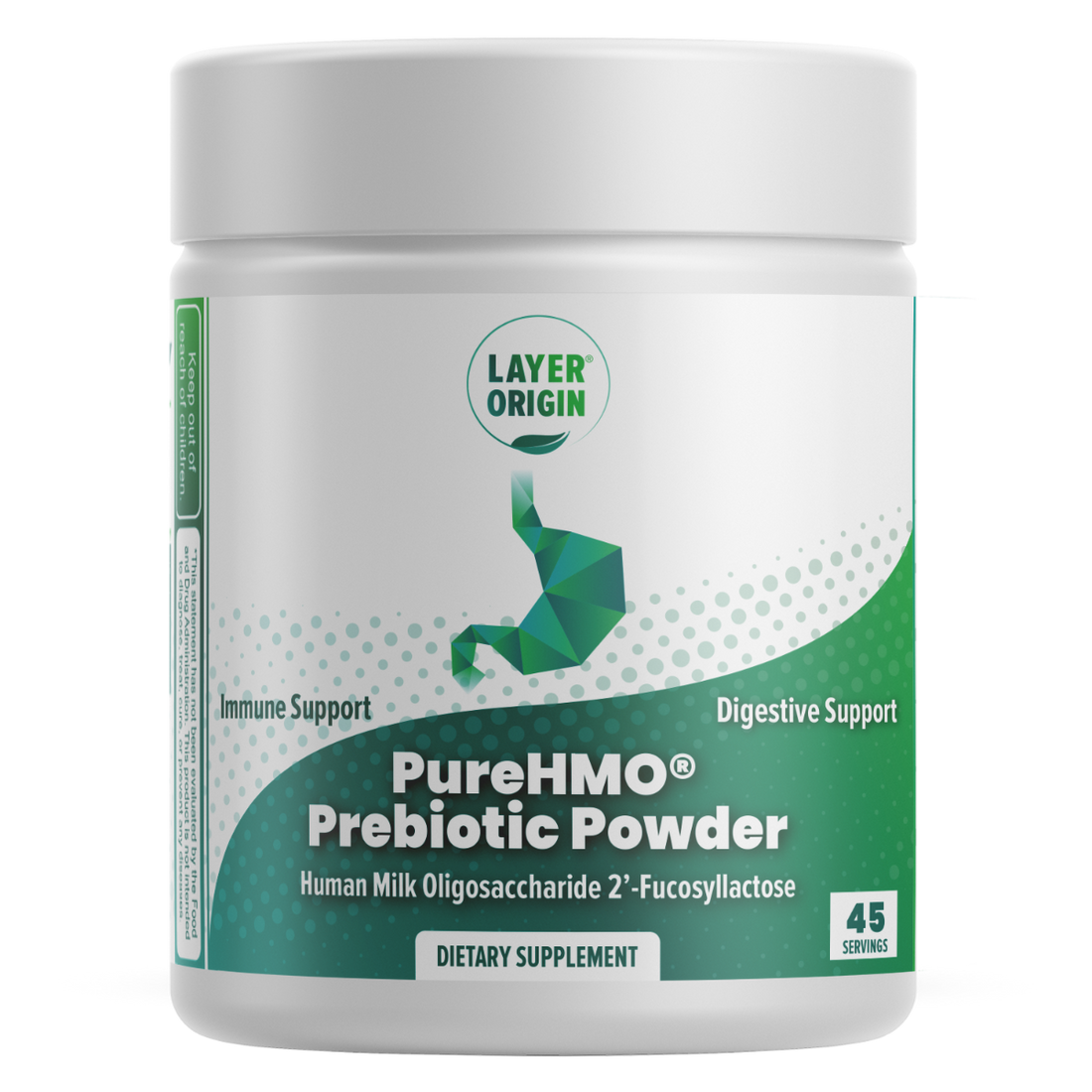
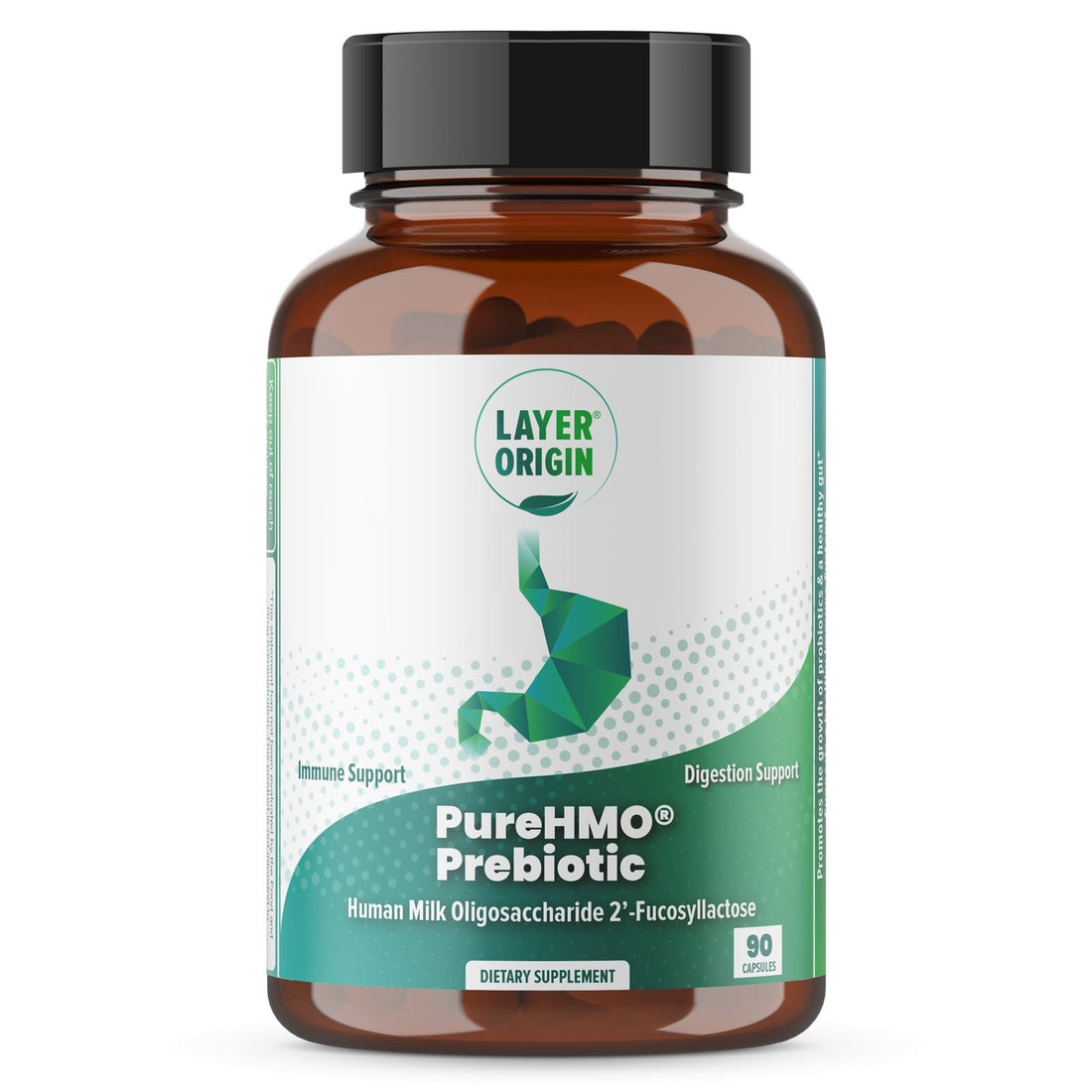
If you’re looking to support your gut after antibiotics, prebiotics like 2’-fucosyllactose (2’-FL) may help nourish beneficial bacteria and promote a more balanced microbiome.
Explore Layer Origin PureHMO 2'-FL to learn more about incorporating targeted prebiotics into your routine.
Author details
Written by: Dr. Alexis Cowan, a Princeton-trained PhD specializing in the metabolic physiology of nutritional and exercise interventions. Follow Dr. Cowan on Instagram: @dralexisjazmyn
Last updated: April 2026