Explore new preclinical research on 2′-Fucosyllactose (2′-FL) showing improved gut microbiota balance and reduced NASH pathology via the gut–liver axis.
Content Outline
Introduction: The growing burden of liver disease and how the gut may help
Non-alcoholic steatohepatitis (NASH) is a severe form of non-alcoholic fatty liver disease (NAFLD) where a buildup of fat in the liver results in inflammation and cell damage [1]. At its worst, it can lead to scarring called fibrosis and can lead to liver cirrhosis, liver failure and even liver cancer. It is a significant health challenge. With little treatment available but a growing prevalence, scientists are exploring new areas of potential intervention.
One promising area is the gut microbiome. In a recently published study, researchers identified that the human milk oligosaccharide (HMO) 2’-Fucosyllactose (2’-FL) could reverse NASH in preclinical models by remodelling the gut flora and strengthening the gut-liver axis.
Here, we explore what NASH is, why the gut microbiome matters in its prognosis, how 2’-FL could offer a therapeutic advantage, and what this means for the future.
What is NASH?
Nash is a subtype of non-alcoholic fatty liver disease. It is both progressive and chronic and increases the chance of poor liver outcomes and even death [2]. In the US, the prevalence of Nash is between 1 and 5%, while NAFLD affects approximately 30% of the global population, and is rising [3]. NASH is characterised by an accumulation of fat in the liver, which is not caused by alcohol.
Although simple fatty liver disease can be relatively benign and treated, NASH causes chronic inflammation and liver cell injury, leading to fibrosis, cirrhosis, liver failure, and, in some cases, cancer [4].
NASH is more common in middle-aged adults, especially if they are overweight or obese, have diabetes, or high cholesterol or triglyceride levels [5]. A key issue is its silent progression, with people not getting any symptoms until advanced liver damage has already taken place. Despite its relatively widespread prevalence, there are no medications available that can reverse NASH, and current treatment mostly focuses on lifestyle changes, like weight loss and diet alterations.
The gut-liver connection: Why the microbiome matters
A bi-directional communication system between your colon, gut microbiome and liver connects your gut and liver. It is called the gut-liver axis and is critical for metabolism, detoxification, and immunity. Your liver and gut are anatomically connected by the portal vein, which transports gut-derived products to the liver, and bile to the gut [6].
When you’re healthy, the intestinal mucosal layer stops toxins and other harmful bacterial products from entering circulation. However, when the integrity of the gut barrier is compromised, usually as a result of dysbiosis, these products can escape into the blood, triggering chronic inflammation, including within the liver, a key driver of NASH.
Good gut bacteria, such as Bifidobacteria and Lactobacilli, produce short-chain fatty acids (SCFAs) and other health-promoting metabolites that support intestinal barrier function, regulate the immune response, and influence many metabolic processes. Increasing the population of these microbes is a great way to take control of your gut health and, it seems, your liver.
New research shows 2’-FL reverses NASH
A recently published study in Food Science and Biotechnology provides compelling evidence that 2’-FL supplementation can reverse some of the hallmark features of NASH in a preclinical model by remodelling the gut microbiota and strengthening gut barrier function.
2’-FL is one of the most abundant HMOs in human breast milk and is indigestible mainly by human enzymes. Instead, it is a prebiotic that nourishes specific good bacteria in the gut. Research in infants shows that adding 2’-FL to infant formula alongside other prebiotics has a greater bifidogenic effect compared to infant formula that does not contain 2’-FL [7]. Therefore, highlighting the benefits of this HMO.
Yet, it’s not just infants who can benefit from its health-promoting functions. Research also shows that in adults, 2‘-FL can improve gut microbiome composition, reduce inflammation, and support healthier metabolic profiles.
Study design
In the current study, researchers used a choline-deficient fat diet (CDFD) to induce NASH-like symptoms in mice. Over a 12-week intervention period, one group of mice received 2’-FL in addition to the diet, while the other group did not receive 2'-FL.
The results
Over the 12-week study period, 2’-FL supplementation resulted in:
-
Reduced NASH features, including steatosis, liver cell ballooning, and immune cell infiltration.
-
Gut microbiota shifts, such as an enrichment in beneficial microbes, including Bifidobacteria and Lactobacilli, both of which are linked to better health outcomes and increased SCFA production.
-
Improved gut barrier function through a microbial shift in the gut, reducing bacterial endotoxins entering the portal vein and causing inflammation, a key driver of NASH.
-
Downregulation of inflammatory cytokines, such as TNF-α and IL-6 in liver tissue, demonstrates the anti-inflammatory properties of 2’-FL throughout the body.
-
Enhanced liver enzyme profiles suggest that 2’-FL helps to relieve metabolic stress and reduce tissue injury.
-
Reduced liver fibrosis was noted after 2’FL treatment, which means that this HMO could reverse liver scarring, which is currently not possible with current therapeutic interventions.
Overall, the results of the study show that adding 2’FL to the diet is more beneficial for patients with NASH than diet changes alone [8]. By nourishing beneficial gut microbes, 2’-FL helps prevent the overgrowth of potentially pathogenic species and strains and also increases microbiome diversity, which is linked to better health outcomes. Because 2’-FL was also well-tolerated, it could offer a potential gut microbiome-targeted therapy for liver disease without the nasty side effects of current pharmacological treatments.
What does this mean for metabolic and liver health?
In the future, targeting the gut microbiota with prebiotics such as HMOs could become a powerful intervention for patients with advanced liver disease. However, more research is needed to determine the actual effectiveness and dosing strategy required for making 2’-FL a therapeutic intervention for NASH.
However, these results are exciting for several reasons, including:

Another major discovery from this research is that the gut microbiome is a modifiable determinant of overall health. By harnessing the properties and benefits of naturally derived molecules like 2’-FL, science can unlock their therapeutic potential for chronic diseases in adults.
Key takeaways
NASH is a serious and progressive form of liver disease that is linked to metabolic dysfunction, including:
-
type 2 diabetes
There are few effective treatments available, so NASH is becoming a growing global health challenge. Yet, emerging evidence shows that the gut-liver axis is implicated in its development and progression. Disruptions in the gut microbiome and intestinal barrier function can drive chronic liver inflammation and allow harmful microbial metabolites to reach the liver.
This study shows that remodelling the gut microbiota through 2’-FL supplementation can reverse key clinical features of NASH. Although further research is needed, 2’-FL’s established safety profile and targeted prebiotic benefits make it a promising candidate for treating NASH.
Conclusion
This emerging research using 2’-FL as a potential therapy for liver disease is promising and further evidence that the gut microbiome can be targeted for broader health benefits
Although further human studies are needed, this work adds to a growing body of evidence that gut health and liver health are interconnected, and that molecules like 2’-FL have the potential to unlock new strategies for metabolic wellness.
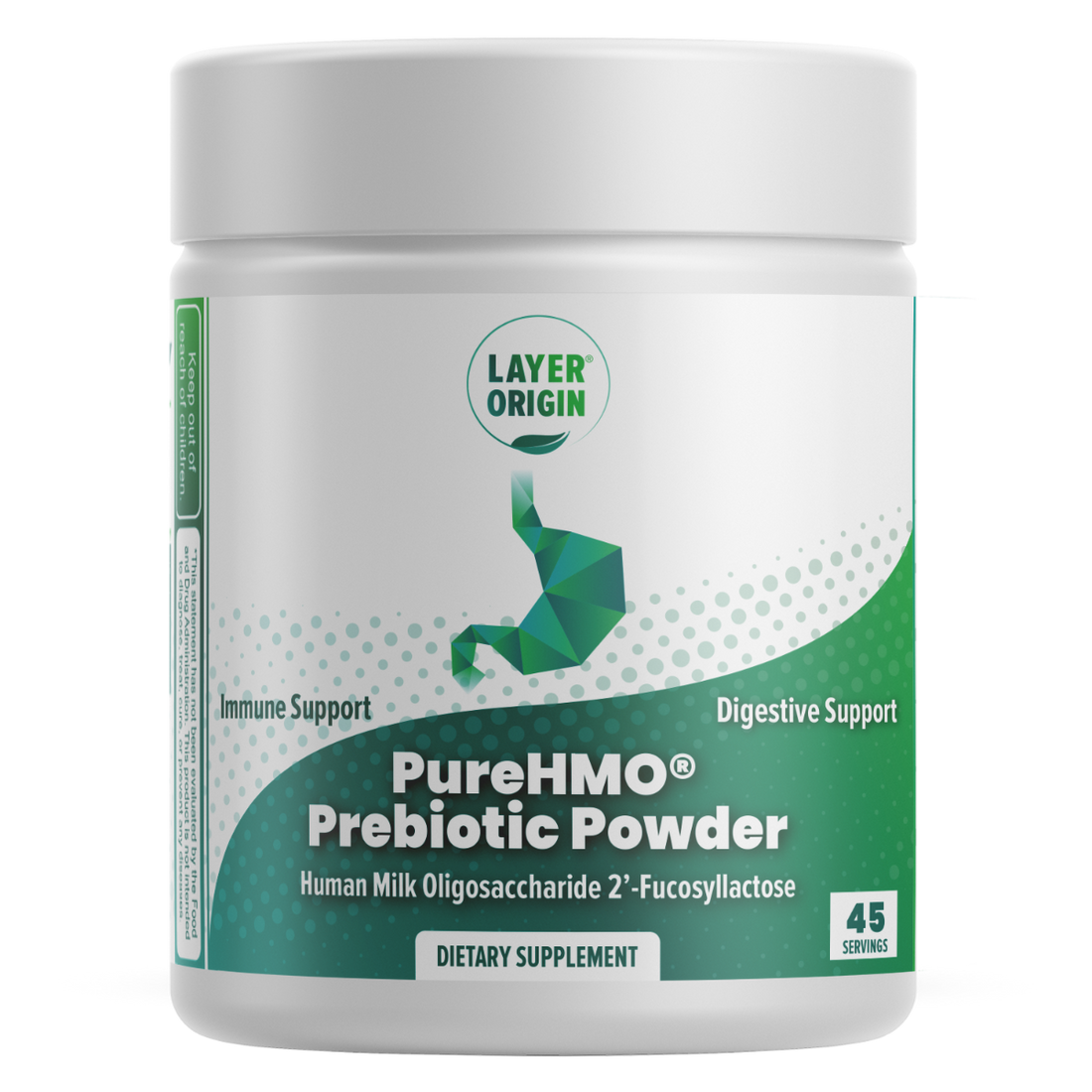
Take control of your health with our PureHMO® HMO 2’-FL Prebiotic Powder.
Written by: Leanne Edermaniger, M.Sc. Leanne is a professional science writer who specializes in human health and enjoys writing about all things related to the gut microbiome.