Firmicutes are a major group of bacteria in the gut microbiome that play a key role in digestion, metabolism, and overall health. They help break down fibre and produce short-chain fatty acids like butyrate, which support gut lining integrity and reduce inflammation.
Over 200 different types of bacteria belong to the Firmicutes phylum, and it is one of the two major groups that make up the human gut microbiome. Together (Firmicutes and Bacteroidetes) they represent over 90% of the entire community [1].
In this article, we will take a deep dive into what Firmicutes are, what they do, and the specific strains that have been identified as good by the PREDICT 1 study. So please sit back and relax as we take you on a microbial mystery tour.
Content Outline
- What Are Firmicutes?
- What Do Firmicutes Do In The Gut?
- Firmicutes vs Bacteroidetes: Why The Ratio Matters
- Are Firmicutes Good or Bad?
- How To Support Healthy Firmicutes Levels
- Summary
What Are Firmicutes?
Although the human gut microbiome consists of more than 100 trillion microbes, two main phyla make it up: Bacteroidetes and Firmicutes. The Firmicutes phylum consists of over 200 different genera, many of which you’ll already be familiar with, such as:
- Bacillus
- Clostridium
- Enterococcus
- Lactobacillus
- Ruminococcus
Clostridium is the dominant genera in the Firmicutes phylum, making up 95% of it [2]. Faecalibacterium prausnitzii, a prolific butyrate producer, is also a member of the Firmicutes phylum. Firmicutes are important for human health because many break down dietary fibre and resistant starch and transform them into important metabolites such as short-chain fatty acids.
What Do Firmicutes Do In The Gut?
The Firmicutes phylum is pivotal for human health, primarily because of the phylum’s involvement in producing butyrate. We like to talk about butyrate a lot here at Layer Origin Nutrition, and for good reason.
Fiber Fermentation and Short-Chain Fatty Acid Production
One of the most important functions of Firmicutes is fermenting dietary fibre. During this process, they produce short-chain fatty acids (SCFAs) such as butyrate, acetate, and propionate.
Despite the gut microbiota producing less butyrate than any other short-chain fatty acid, it is essential for maintaining intestinal homeostasis and has beneficial effects on energy metabolism [3]. The Firmicutes phylum is made up of many prolific butyrate producers, including:
- Eubacterium
- Faecalibacterium
- Lactobacillus
- Roseburia
They Are Probiotics
As well as being renowned butyrate producers, many members of the phylum are also probiotics. According to the World Health Organisation (WHO), probiotics are “live microorganisms which when administered in adequate amounts confer a health benefit on the host” [4].
It’s likely that you are already familiar with the term, even if you weren’t sure what it meant, because food, like some yoghurts, contains probiotics.
For example, some yoghurt drinks contain Lactobacillus strains, such as L. acidophilus. These strains are important because they help break down the sugars in milk (lactose) by producing the enzyme lactase.
Some research has shown that yoghurt fortified with L. acidophilus and Bifidobacterium sp. could help treat lactose intolerance [5].
Probiotic cultures also produce other important substances and metabolites, like acetate and butyrate, which help to ward off nasty pathogens that can potentially make you unwell.
If you’ve ever been given antibiotics to treat an infection, you may also have been prescribed probiotics or advised to take some for the duration of your course.
Although antibiotics can be excellent at ridding your body of bacterial infections, they also clear the beneficial bacteria in your gut. So, taking probiotics and prebiotics with antibiotics can help to replenish the gut microbiome [6].
Support Gut Barrier Function
A well-functioning gut barrier is essential for preventing harmful substances from entering the bloodstream. Firmicutes contribute to this by strengthening tight junctions between intestinal cells and promoting mucus production.
This helps reduce intestinal permeability, more commonly known as “leaky gut”, and supports overall immune resilience.
Role in Metabolism
Firmicutes are also involved in energy metabolism. By breaking down otherwise indigestible carbohydrates, they help extract additional energy from food.
While this can be beneficial, particularly in times of limited food availability, it has also led researchers to explore their role in weight regulation and metabolic health.
Firmicutes vs Bacteroidetes: Why the Ratio Matters
The balance between Firmicutes and Bacteroidetes, often referred to as the Firmicutes-to-Bacteroidetes ratio, is frequently used as a general indicator of gut microbiome composition.
Some early research suggested that a higher proportion of Firmicutes may be associated with increased energy harvest from food and a greater likelihood of weight gain. However, more recent studies indicate that this relationship is far more complex than initially thought.
Rather than focusing on a single ratio, experts now emphasise the importance of overall microbial diversity and balance. A healthy gut microbiome is not defined by one group of bacteria dominating, but by a diverse ecosystem working in harmony.
Are Firmicutes Good or Bad?
Firmicutes in general are neither inherently good nor bad, but they're a vital, major phylum that need to be balanced with Bacteroidetes. Although they perform critical roles like breaking down fiber and supporting metabolism, a high Firmicutes-to-Bacteroidetes ratio is associated with obesity and inflammation.
That said, specific strains of the Firmicutes phylum have been listed as ‘good’ gut microbes by the PREDICT 1 study, namely:
- Firmicutes bacterium CAG 95
- Firmicutes bacterium CAG 170
- Oscillibacter sp PC13
- Clostridium sp CAG 167 [7]
The PREDICT program is the world's largest, in-depth nutritional research program (not associated with Layer Origin). PREDICT 1 was specifically designed to examine how genetics, metabolic differences, the gut microbiome, meal composition and individual characteristics affect postprandial meal responses. It comprised 1102 healthy participants, 1002 from the UK and the remainder from the US [8].
Let’s look at some of these strains highlighted by the PREDICT program and their link to human health.
What is Firmicutes bacterium CAG 95?
Of the four members of the Firmicutes phylum featured in this article, Firmicutes bacterium CAG 95 is the one scientists seem to know most about. Unsurprisingly, this bacterium is a butyrate producer, hence its importance for human health.
Why is Firmicutes bacterium CAG 95 "Good"?
Firmicutes bacterium CAG 95 was found in the guts of around half of PREDICT 1 participants. It is believed to be a good gut bug because of its ability to transform dietary fibre into butyrate, a molecule produced during microbial fermentation of fibre that’s been shown to reduce the risk of inflammatory bowel disease and colorectal cancer [9].
The PREDICT 1 study also found an association between the presence of Firmicutes bacterium CAG 95 and lower insulin secretion and increased insulin sensitivity. This is particularly good for regulating blood sugar levels; high glucose or insulin levels in the blood can increase the risk of developing metabolic diseases, such as obesity and type 2 diabetes [10].
What is Firmicutes bacterium CAG 170?
Similar to Firmicutes bacterium CAG 95, 170 was found in 33% of PREDICT 1 participants’ gut microbiomes and has been listed as one of the 15 ‘good’ gut microbes.
Why is Firmicutes bacterium CAG 170 "Good"?
Firmicutes bacterium CAG 170 has only recently been discovered, so there is still lots more for scientists to learn about this microbe. However, the PREDICT 1 study found that Firmicutes bacterium CAG 170 was associated with increased insulin sensitivity, which is excellent for regulating blood sugar levels.
The researchers also suggest that Firmicutes bacterium CAG 170 is associated with a lower risk of cardiovascular disease, the leading cause of death in the US [11]. In the United Kingdom, ischaemic heart disease is the leading cause of death in men [12].
What is Oscillibacter sp PC13?
Oscillibacter sp PC13 is a new strain of bacteria that scientists don’t know a lot about yet. The PREDICT 1 researchers, however, found this strain in the gut of more than half of the study’s participants.
Why is Oscillibacter sp PC13 "Good"?
Similar to Oscillibacter sp. 57_20, Oscillibacter sp PC13 has been linked to increased levels of polyunsaturated fat and lower insulin secretion, both of which are advantageous. Polyunsaturated fats are considered ‘good’ fats. The most common examples are omega-3 and omega-6 fatty acids, essential for proper brain function [13].
What is Clostridium sp CAG 167?
Hearing Clostridium and ‘good’ bacteria may seem a little alien. Still, there are many different strains, some of which can cause diseases or illnesses, like tetanus or food poisoning, but some are also beneficial for your gut health.
And this may be true of Clostridium sp CAG 167. The PREDICT 1 study showed that this microbe was found in approximately 40% of participants. So, it looks to be common in the guts of healthy people.
Why is Clostridium sp CAG 167 "Good"?
According to PREDICT 1, Clostridium sp CAG 167 in the gut is linked with lower insulin secretion and high insulin sensitivity. However, more research needs to be conducted to determine the actual effects of this bacterium on human health.
Some emerging research suggests that some beneficial Clostridium species could be developed as probiotics in the future due to their ability to support intestinal homeostasis.
These strains love to break down the dietary carbohydrates we eat and transform them into SCFAs like butyrate. So, there are numerous advantages to using Clostridium as potential probiotics in the future.
How to Support Healthy Firmicutes Levels
Firmicutes have numerous beneficial properties; being great butyrate producers is one of them, meaning they need to be well-nourished to increase their growth and activity. There are plenty of good sources that will help to improve the composition of your gut microbiome as well as ensure that it remains diverse.
Eat More Fiber-Rich Foods
Dietary fibre is the primary fuel source for many beneficial Firmicutes. Foods such as whole grains, legumes, vegetables, and fruits provide the substrates needed for fermentation and SCFA production.
Include Prebiotics in Your Diet
Prebiotics are a great way to help boost the growth and activity of Firmicutes. Prebiotics are described as “a non-digestible food ingredient that beneficially affects the host by selectively stimulating the growth and activity of one or a limited number of bacteria in the colon, and thus improves host health” [14].
Prebiotics are different from probiotics (live cultures that, if eaten in adequate amounts, can provide their host with benefits). Prebiotics include foods such as dietary fibre, resistant starch and polyphenols, all of which your gut microbes love to have a good munch on.
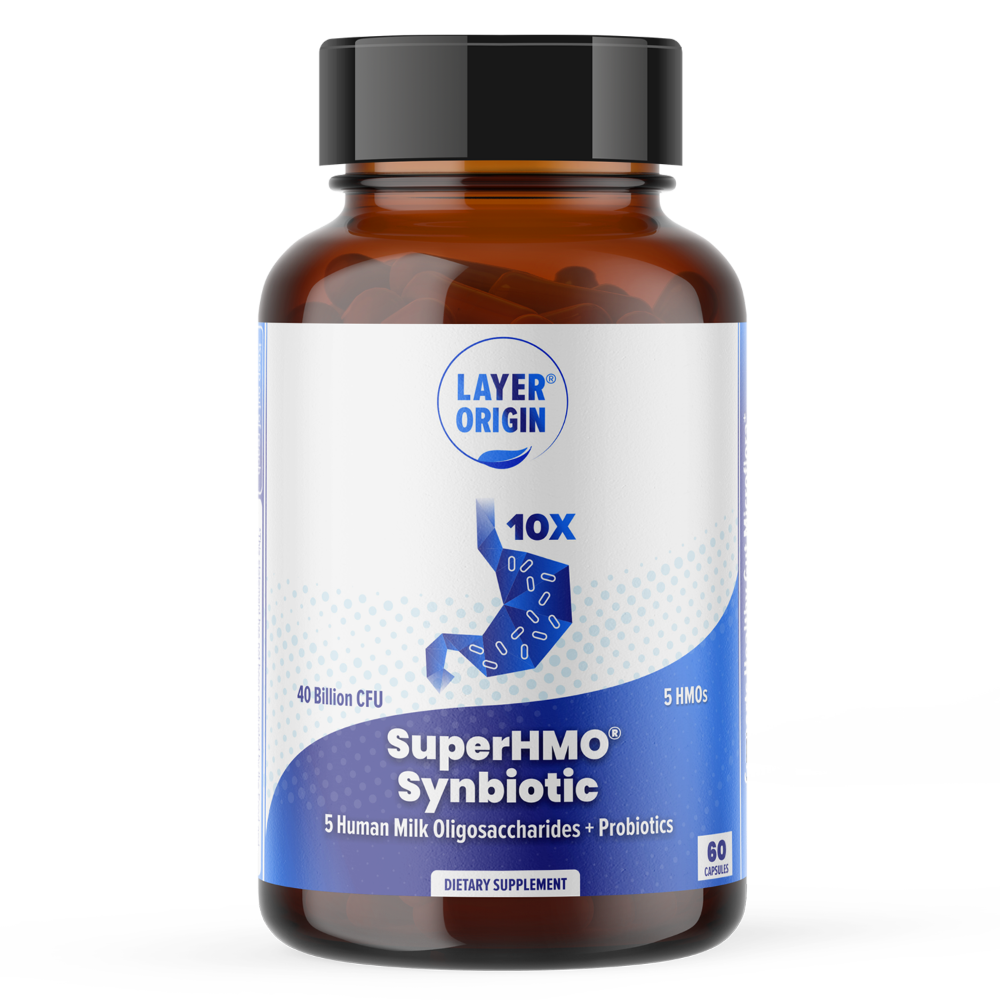
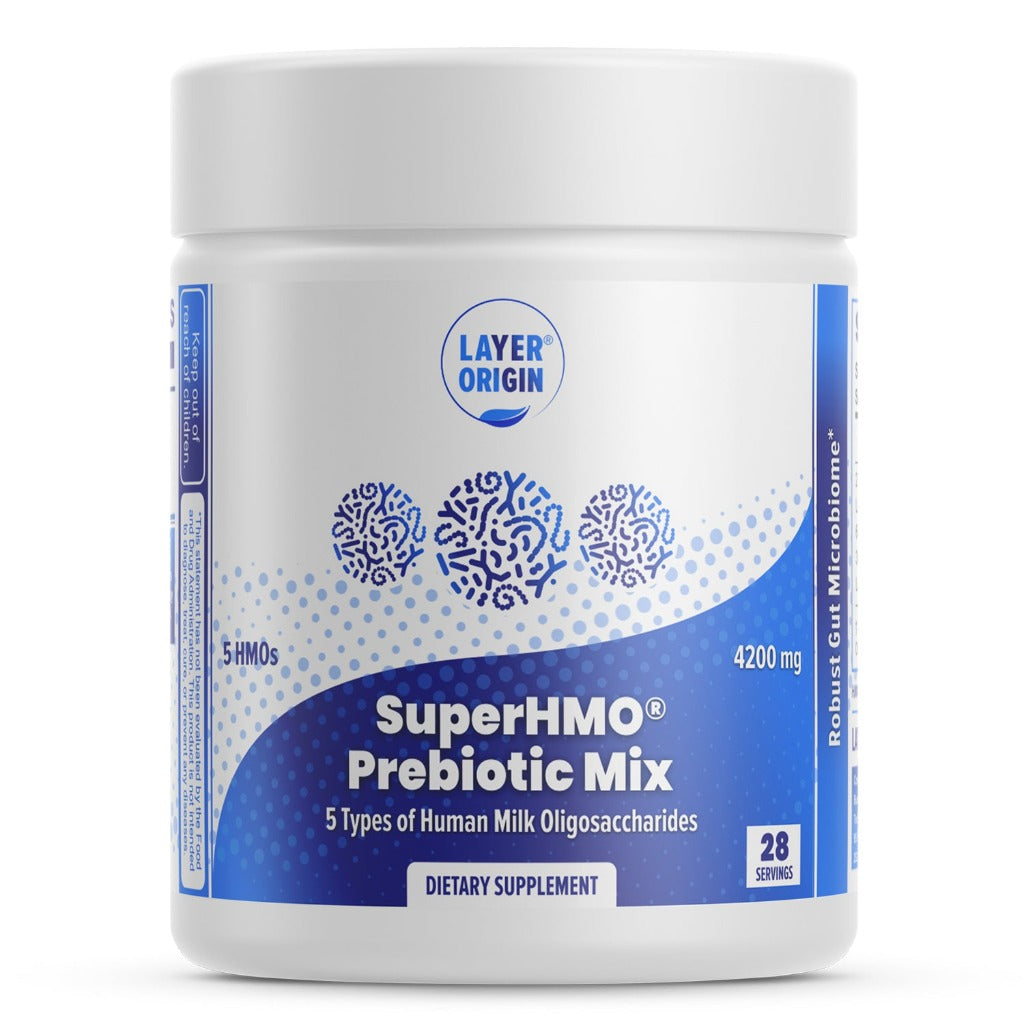
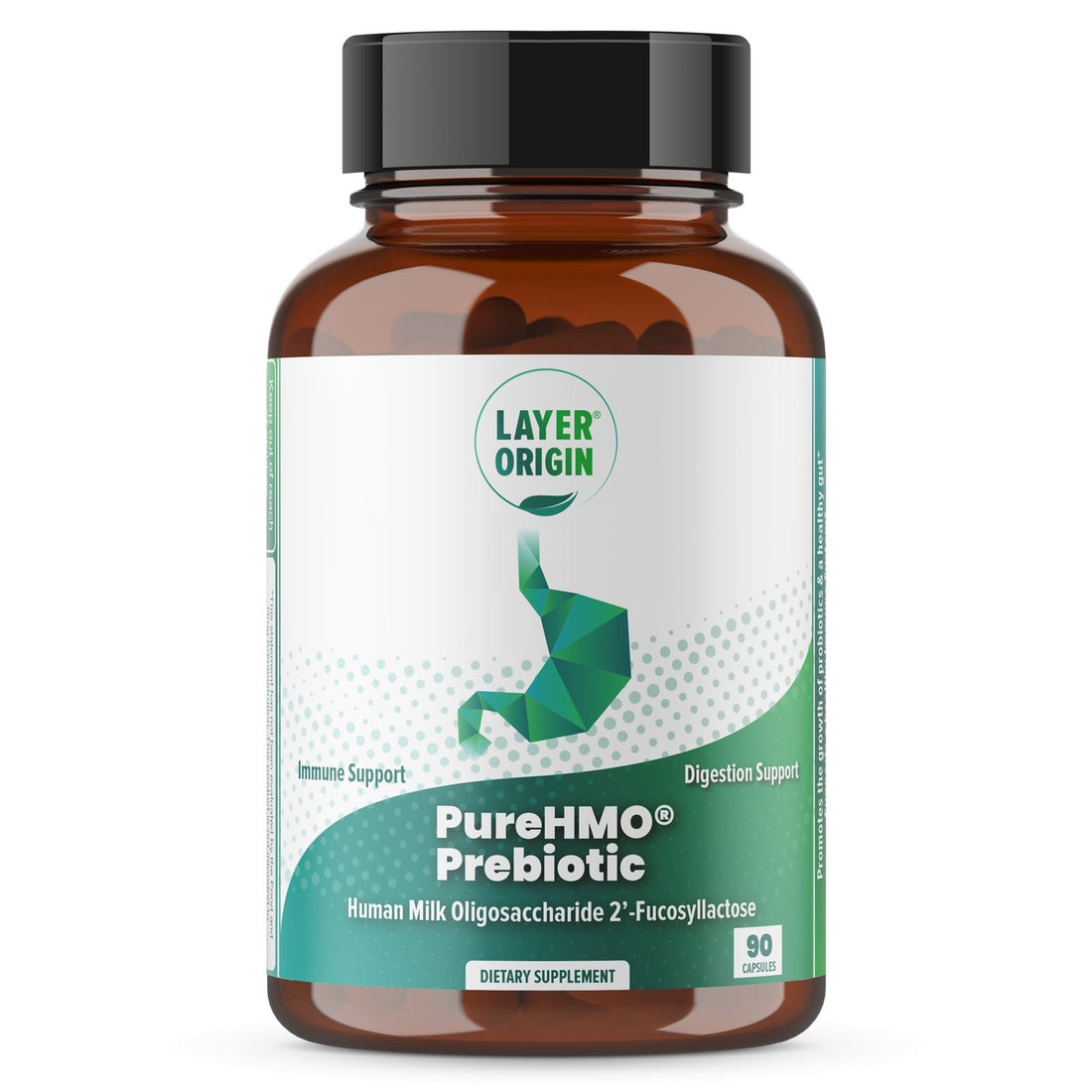
Human milk oligosaccharides (HMOs) are great examples of prebiotics. They were first found in human milk and have been shown to boost immunity, keep your microbiome balanced, and improve your health. At Layer Origin, we have a wide range of prebiotics and HMOs to choose from so that you can proactively take care of your gut.
Focus On Polyphenol-Rich Foods
Polyphenols, found in foods like berries, cocoa, green tea, and olive oil, can positively influence gut bacteria, including beneficial Firmicutes.
They work synergistically with fibre to support microbial diversity and metabolic health.
Limit Ultra-Processed Foods
Diets high in ultra-processed foods, refined sugars, and unhealthy fats can negatively impact the gut microbiome, reducing diversity and promoting dysbiosis.
Prioritising whole, minimally processed foods helps create a more favourable environment for beneficial bacteria.
Summary
In our opinion, Firmicutes are cool.
Most of them produce butyrate in the gut when they break down the indigestible carbs your body is ill-equipped to break down. Over 200 different genera are making up this impressive phylum.
Several bacterial strains that belong in this phylum have been identified as ‘good’ gut microbes by the PREDICT program, which serves to promote them a little bit more.
Looking to support your gut microbiome? Explore our science-backed HMO prebiotics designed to nourish beneficial bacteria.
DISCLAIMER: Layer Origin Nutrition is NOT affiliated with the PREDICT 1 study or the PREDICT program. The knowledge of PREDICT 1 study can be accessed at nature.com: https://www.nature.com/articles/s41591-020-0934-0
Author details
Written By: Leanne Edermaniger, M.Sc. Leanne is a professional science writer who specializes in human health and enjoys writing about all things related to the gut microbiome. She has written extensively on inflammatory bowel disease, prebiotics, and microbiome research.
Her work focuses on translating complex medical science into evidence-based, practical health guidance.
Last updated: March 2026
Join the Layer Origin Nutrition community: